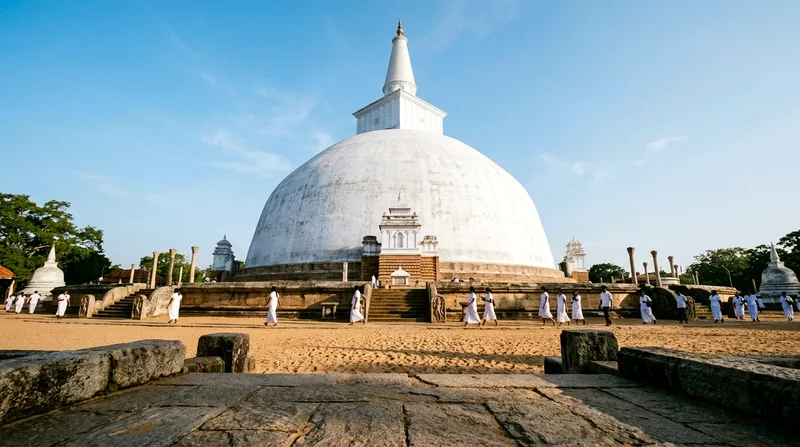
Sri Lanka History: A Traveller's Guide to the Island's Past
Explore Sri Lanka history from the Veddhas and ancient kingdoms to Ceylon, British rule, independence and civil war, and see how it shapes the sites you visit.
13 min read · 20 Oct 2026
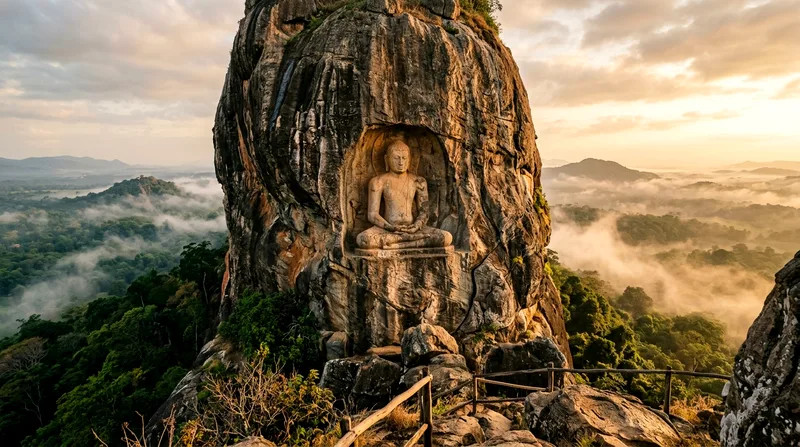
Tours & activities
Plan a Sri Lanka Cultural Triangle tour: compare guided, private and self-guided options, see the UNESCO sites in order and avoid overpaying at the gate.
The most common mistake with a Sri Lanka Cultural Triangle tour isn't picking the wrong sites — it's visiting them in the wrong order, with the wrong guide, and paying inflated foreigner prices because nobody explained the ticketing system beforehand. Travelers fly into Colombo, head straight for Sigiriya on day one still jet-lagged, climb in the midday heat, then rush through Polonnaruwa without anyone to explain what they're looking at. The ruins just become old stones.
The Cultural Triangle — the region bounded roughly by Kandy, Anuradhapura and Sigiriya — holds the densest concentration of UNESCO World Heritage Sites in Sri Lanka. Sigiriya, Dambulla's cave temples, Polonnaruwa and Anuradhapura's ancient cities, plus the Temple of the Tooth in Kandy, can all be covered in a single well-planned loop. The question isn't whether to go — it's whether to book a private guide, join a group tour, or self-drive, and how many days to give it. That choice affects your budget, your pace, , how much you'll actually understand about what you're seeing.
Not every traveler needs the same setup here, and matching your trip style to your travel style saves both money and frustration. A honeymoon couple with eight days free has very different needs from a family doing Sri Lanka as one stop on a longer Asia trip that also includes Bali or Thailand.
If this is your first trip to Sri Lanka and you've got 5-7 days total for the whole country, a private driver-guide is the easiest route through the Cultural Triangle. You skip the logistics of booking separate transport, finding accommodation near each site, and figuring out which entrance gate sells tickets. A driver-guide typically costs more per day than public transport but far less than you'd assume — and it buys you flexibility to start Sigiriya at 6:30am before the heat and crowds build, something a fixed-departure group tour can't offer. Compare this to touring Angkor Wat in Cambodia or the temples around Kathmandu in Nepal: the private-driver model is standard practice in all three, because self-navigating rural road networks without local knowledge wastes a full day you don't have.
Serious history readers who want depth — not just photos — should prioritize a guide with actual archaeological or historical training over a generic driver who moonlights as a guide. Ask before booking whether your guide is licensed by the Sri Lanka Tourism Development Authority; licensed guides wear a identification badge and can explain the Mahavamsa chronicles behind Anuradhapura's founding, not just recite dates. Families with kids under 10 should weigh the Sigiriya climb carefully — it's roughly 1,200 steps with some narrow, exposed sections near the lion's paw entrance, and there's no shade. Families often do better allocating extra time at Minneriya for elephants and Dambulla's cooler cave interiors, and treating Sigiriya as an early-morning, non-negotiable start rather than a leisurely midday outing.
Not every site in the region deserves equal time, and a good itinerary weights days toward the sites that reward slow exploration over the ones you can tick off in forty minutes.
Sigiriya Rock Fortress is the site everyone's seen in photos — a 200-metre granite monolith with fifth-century frescoes and the remains of a royal palace on top. Budget half a day, start early, and bring water; there's limited shade on the ascent. Dambulla Cave Temple, about 20km away, holds five caves carved into a rock face with over 150 Buddha statues and ceiling murals that date back more than two thousand years — it pairs naturally with Sigiriya as a single day. Polonnaruwa, Sri Lanka's second ancient capital, is flatter and more spread out; renting a bicycle at the entrance to cover the ruins is common and genuinely pleasant. Anuradhapura, the oldest of the ancient cities, is the largest site and the easiest to rush through without a guide — its dagobas (stupas) are enormous, and without context they just look like big domes. Give Anuradhapura a full half-day minimum.
Kandy sits at the triangle's southern edge and makes a logical final or first stop, built around the Temple of the Tooth Relic — one of Buddhism's most significant sites, sheltering what's believed to be a tooth relic of the Buddha. Expect modest dress requirements and possible queues during evening puja ceremonies. Minneriya National Park, roughly an hour from Sigiriya, is worth adding between July and October when "the Gathering" draws hundreds of wild elephants to the reservoir — outside that window, elephant sightings are still likely but less dramatic, and nearby Kaudulla or Hurulu Eco Park sometimes deliver better numbers. A jeep safari here runs 3-4 hours and is typically booked as an add-on rather than bundled into multi-day cultural tours.
Three real options exist for covering this region, and each suits a different traveler. None is objectively "best" — it depends on your budget, your tolerance for logistics, and how much you value a knowledgeable human explaining what you're looking at.
A private driver-guide offers the best balance of flexibility and historical context for most Cultural Triangle itineraries, while group tours suit budget-conscious travelers willing to trade schedule control for lower cost.
Sri Lanka Cultural Triangle tour categories compared by cost, flexibility and who they suit
| Tour Type | Typical Duration | Flexibility | Cost Level | Best For |
|---|---|---|---|---|
| Private driver-guide | 4-7 days, custom | High — set your own start times | Mid-high | Families, couples, first-timers, limited time |
| Small group tour | Fixed 5-8 day departures | Low — fixed stops and timings | Low-mid | Budget-conscious solo travelers, sociable travelers |
| Self-guided (rental car) | Flexible, self-planned | High but requires navigation confidence | Mid | Confident independent drivers, repeat visitors |
| Self-guided (public transport/train) | Flexible but slower | Medium — limited by schedules | Low | Backpackers, Kandy-only side trips |
Costs and departure schedules vary by season and operator; compare current prices and reviews before booking.
Below is how the three main approaches stack up on the factors that actually affect your trip.
A private driver-guide is the default choice for most foreign visitors, and for good reason — Sri Lankan rural roads aren't signposted the way you'd expect coming from Europe, and self-driving means missing out on local knowledge of which gate has shorter queues. Self-driving a rental car is technically possible but most travel insurers and locals alike will tell you it's not worth the hassle: driving culture here is aggressive, an international permit is required, and night driving on unlit rural roads is genuinely risky. Public transport — buses and the Colombo-Kandy train — is the budget option and works fine for Kandy specifically, since the train ride through tea country is scenic and comfortable in reserved class. But stitching together buses to reach Polonnaruwa or Anuradhapura from Sigiriya eats entire days you don't have on a one-week trip. Compare this to touring Kerala in India, where trains link major hubs well — Sri Lanka's rail network simply doesn't reach most Cultural Triangle sites, so buses or a hired car fill the gap.
Whatever style you choose, a handful of details separate a good booking from a disappointing one, and most of them are invisible until you've already paid.
Ask explicitly whether entry tickets are included in the quoted price or paid separately at the gate. Sigiriya and Polonnaruwa charge foreign visitors significantly more than local residents — this is standard across Sri Lankan heritage sites, not a scam, but some tour packages bundle a marked-up "ticket service fee" on top of the actual gate price. It's usually cheaper to have your guide handle ticket purchase at face value than to prepay a bundled rate without seeing the breakdown. For group tours, ask the group size upfront — anything over 15 people turns the Sigiriya climb into a bottleneck at the narrow staircase sections, and you'll spend more time waiting than looking at frescoes. Smaller is better here, consistently.
Check that any guide carries official SLTDA licensing — this matters more at archaeological sites than almost anywhere else in Sri Lanka, since unlicensed "guides" sometimes operate informally at Polonnaruwa and Anuradhapura offering unverified information. Read the cancellation policy before paying a deposit; monsoon-related itinerary changes are common enough that a flexible reschedule policy matters more than a slightly lower price. Finally, dress code is enforced strictly at the Temple of the Tooth and Dambulla — shoulders and knees covered, shoes removed before entering, and sarongs are sometimes available to rent at the gate for those who show up unprepared. Don't assume a tank top and shorts will pass; it won't, and you'll be turned away or made to rent cover-up clothing on the spot.
Timing affects both comfort and crowd levels more than most people expect, and the Cultural Triangle has its own microclimate separate from the coast.
The Cultural Triangle sits in Sri Lanka's dry zone, so it's workable year-round, but the most comfortable window runs roughly May through September, when the region misses the worst of the monsoon that hits the southwest coast and hill country. December through March is also good and more popular with European travelers escaping winter, meaning higher accommodation prices and busier sites. A 4-day itinerary covers Sigiriya, Dambulla and Polonnaruwa at a reasonable pace but skips Anuradhapura or compresses it badly. Five to seven days lets you add Anuradhapura properly, build in a Minneriya safari, and end in Kandy without feeling rushed. Compare this to a Bali temple circuit, which you can realistically do in 2-3 days — Sri Lanka's sites are more spread out and each one demands more time to actually absorb.
If you're short on time and this is a once-in-a-lifetime trip, book a private driver-guide for 5-6 days covering Sigiriya, Dambulla, Polonnaruwa, Anuradhapura and Kandy, with Minneriya added if you're traveling between July and October. If budget matters more than schedule control, a small group tour gets you the same sites for less money, provided the group stays under 15 people. If you're a confident independent traveler who's done self-drive trips in places like Kerala or mainland Thailand before, a rental car gives you the most freedom — just skip night driving. Whichever route you pick, verify guide licensing, clarify whether gate tickets are included, and pack modest clothing for temple visits. Then compare current tour prices and reviews before you commit to any one option.
Five to six days is the realistic sweet spot for seeing Sigiriya, Dambulla, Polonnaruwa, Anuradhapura and Kandy without rushing. Four days works if you drop Anuradhapura or Kandy. Anything under four days means skipping at least one major UNESCO site entirely.
Most private and group tours include transport, a driver or driver-guide, and accommodation if it's a multi-day package. Entry tickets to sites like Sigiriya and Polonnaruwa are often charged separately at the gate — confirm this before booking so you're not caught out by an unexpected cash payment on arrival.
You can cover Sigiriya, Dambulla and Polonnaruwa in three days if you move fast and accept a tight schedule, but Anuradhapura and Kandy won't fit comfortably. Three days suits travelers combining Sri Lanka with another destination like southern India or Bali on a longer multi-country trip.
A private driver-guide is the most practical option since rural roads lack clear signage and sites are 20-100km apart. Buses connect major towns cheaply but slowly. The train works well for Kandy specifically but doesn't reach Sigiriya, Polonnaruwa or Anuradhapura.
May to September offers the driest, most comfortable conditions in this dry-zone region. December to March is also good but busier and pricier due to European winter travelers. Add a Minneriya elephant safari if you're visiting between July and October, when elephant numbers at the reservoir peak.
Explore Sri Lanka history from the Veddhas and ancient kingdoms to Ceylon, British rule, independence and civil war, and see how it shapes the sites you visit.
13 min read · 20 Oct 2026
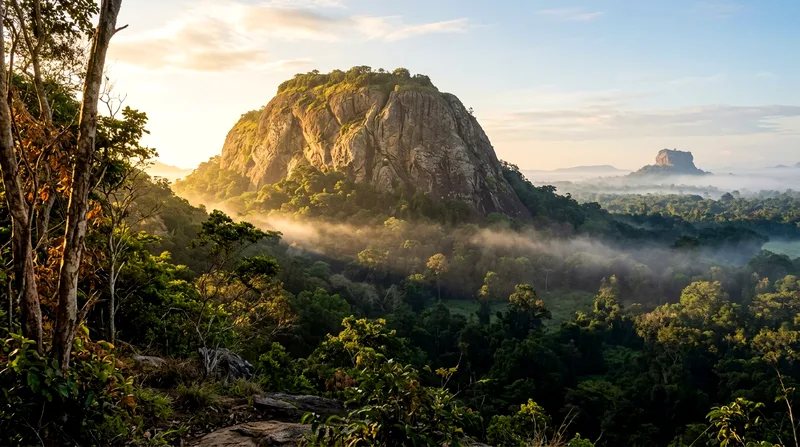
Sigiriya vs Pidurangala compared on cost, difficulty, history and views, with a clear verdict for budget travellers, seniors and sunrise photographers.
10 min read · 20 Oct 2026
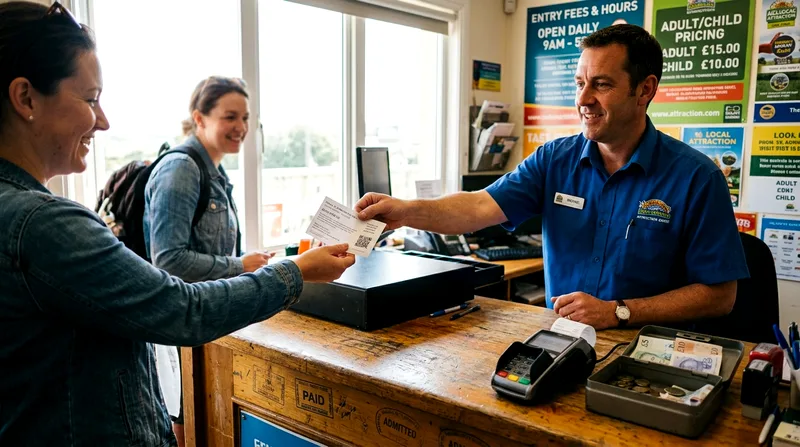
See what foreigners pay at Sri Lanka's top attractions, from the Cultural Triangle to national parks, plus practical ways to cut your total ticket costs.
11 min read · 20 Oct 2026
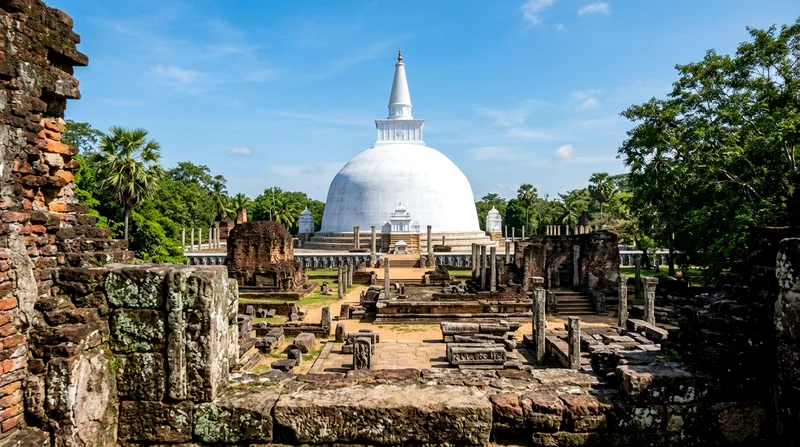
Anuradhapura vs Polonnaruwa compared on compactness, ticket cost level, cycling appeal and ruins. Find out which Sri Lankan ancient capital suits your time.
10 min read · 20 Oct 2026
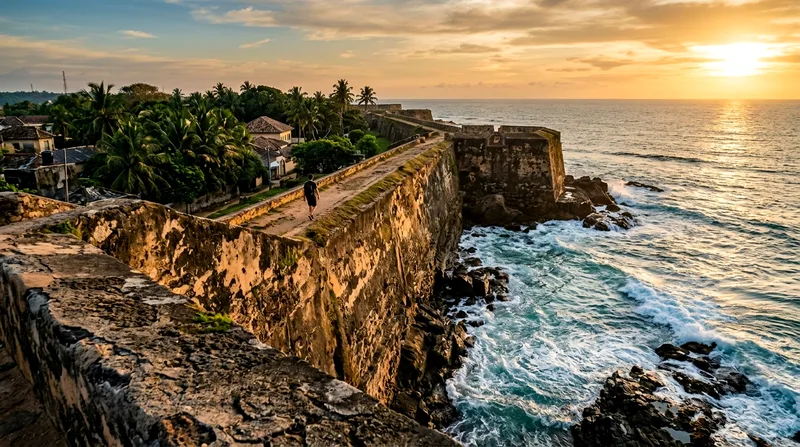
Compare guided and self-guided Galle Fort walking tours, from sunset rampart walks to history tours, and learn what to check before you book.
9 min read · 20 Oct 2026
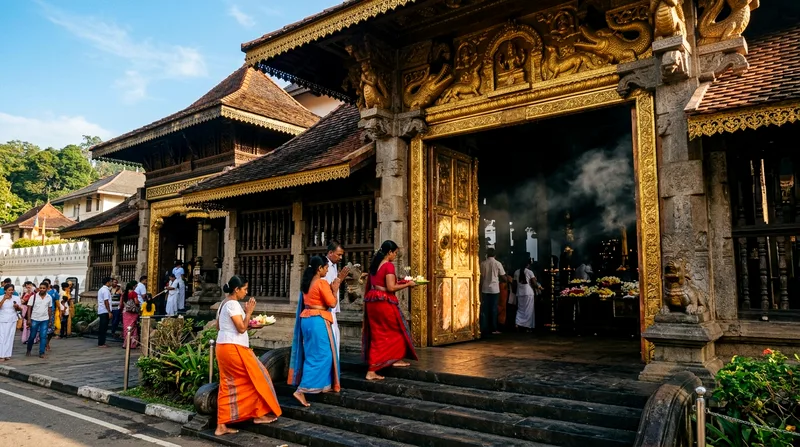
Plan your Temple of the Tooth Kandy visit: how to get tickets, when to arrive for the drumming puja, what to wear and how to behave respectfully.
9 min read · 20 Oct 2026
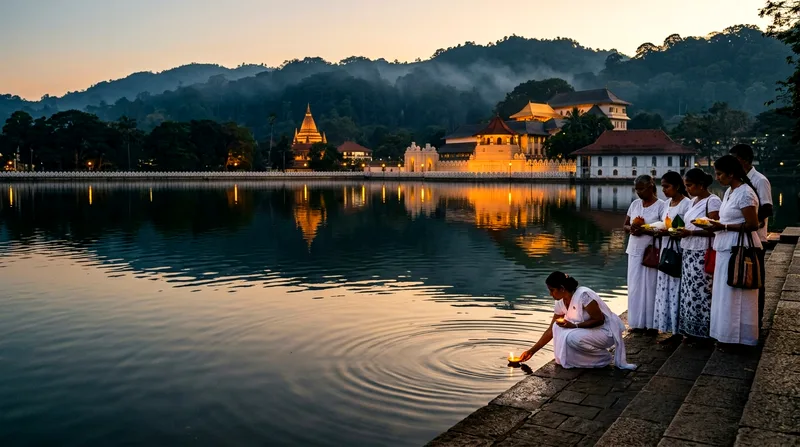
Planning a trip to Sri Lanka Kandy? Compare the best Kandy tours, from day tours and botanical gardens to cultural shows, and book smart.
9 min read · 20 Oct 2026
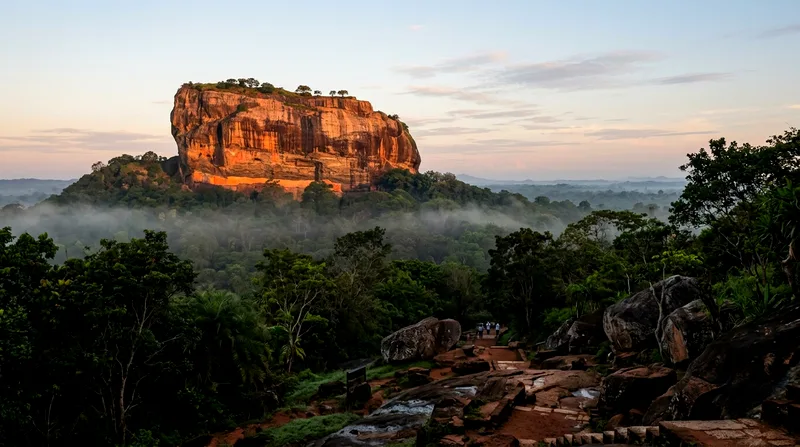
Plan your Sigiriya tickets: how to buy entry, the best start times to beat the heat, whether a guide is worth it, and what to see near Lion Rock.
10 min read · 20 Oct 2026
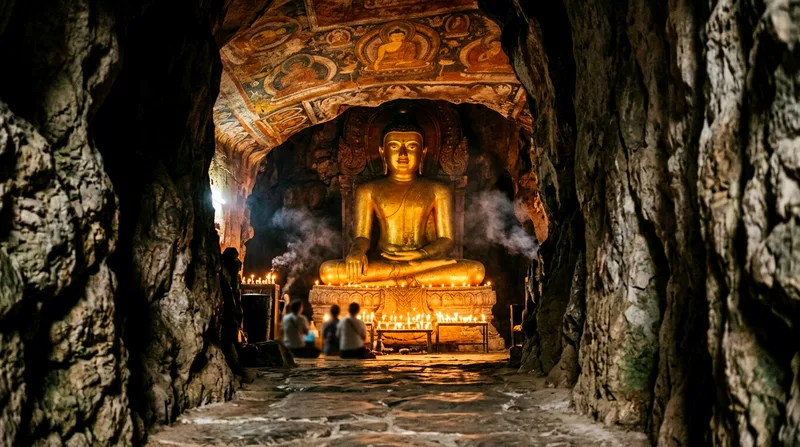
Plan your Dambulla Cave Temple visit: what the five painted caves hold, ticket basics, dress code, tour options and pairing it with Sigiriya in one day.
10 min read · 20 Oct 2026