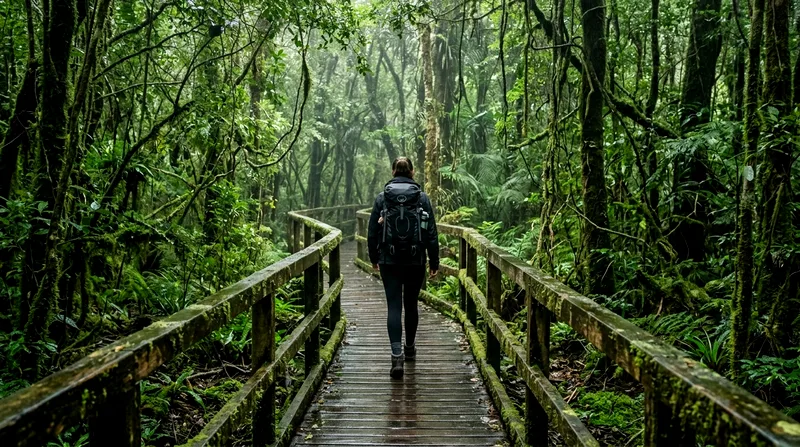
Sinharaja Rainforest Tour: Guided Treks and Tickets
Plan a Sinharaja rainforest tour in Sri Lanka: compare entrances, choose a birding or trekking guide, understand tickets, and prepare for leech season.
9 min read · 20 Oct 2026
Tours & activities
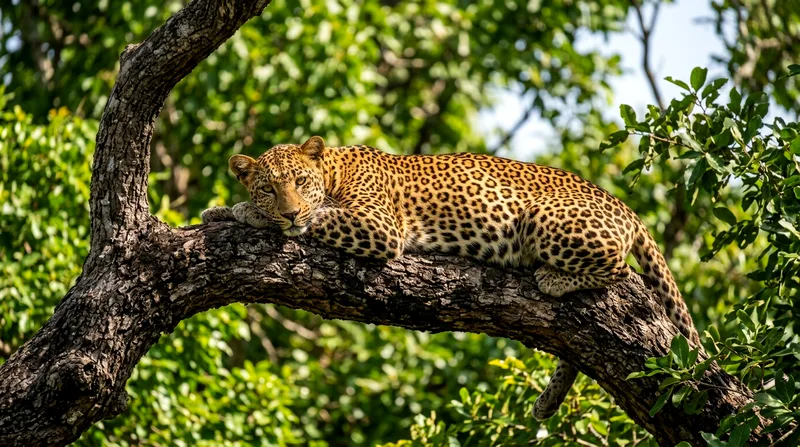
Compare Sri Lanka safari parks for leopards, elephants and whales, learn which tour types suit you, and see how to book a jeep safari that avoids crowds.
Every visitor to Sri Lanka ends up asking some version of the same question: Yala or Udawalawe, half-day or full-day, shared jeep or private one? The honest answer depends on what you actually want out of it. A Sri Lanka safari can mean a two-hour dawn drive to see elephants bathing, a dusty six-hour pursuit of a leopard sighting, or a boat trip off Mirissa chasing blue whales — these are different products with different price points, and conflating them is how people end up disappointed.
If you want the highest odds of seeing a Sri Lankan leopard, you're choosing Yala, full stop — but you need to accept the crowds that come with it, especially around Yala's Block 1. If you want a calmer, more reliable elephant encounter without vehicle convoys, Udawalawe wins. If you're after sloth bears and genuine wilderness without another tourist in sight, Wilpattu is the better pick, albeit with lower overall animal density and longer drives between sightings.
Families with young children generally do better with half-day drives in Udawalawe — shorter, smoother tracks, and elephants are less patience-testing to wait for than a leopard that may not show at all. Photographers chasing a specific shot should prioritize private jeeps and multi-park itineraries over the cheapest shared option, because jostling for position with three other jeeps ruins most leopard photography. Senior travelers should know that Yala's roads are notoriously rough and jeep safaris are long, bumpy sits — ask about shorter 3-4 hour options rather than the full 6-hour game drive, and consider a cushioned seat if your operator offers one.
First-time visitors with only one safari day to spare should default to Yala or Udawalawe rather than Wilpattu, simply because sighting density is higher and the drive-in logistics are easier from the south coast or Colombo. Families should budget for a private jeep if traveling with children under eight — a shared vehicle means negotiating nap times and bathroom breaks with strangers, which rarely goes well over four or five hours. Photographers get the most value from a private jeep with a driver experienced in positioning for light, and should specifically ask whether the guide will cut the engine and wait rather than circling for a better angle, which disturbs the animal and ruins the shot anyway.
Standard safari jeeps in Sri Lanka are open-sided 4x4s with bench seating and no suspension to speak of — comfortable for a couple of hours, punishing after five on Yala's rutted tracks. Travelers with back problems or limited mobility should ask in advance about vehicles with a front passenger seat available, and should favor Udawalawe's smoother roads over Yala's interior blocks. There's no truly wheelchair-accessible safari option in the mainstream market; if that's a hard requirement, raise it directly with the operator before booking rather than assuming it'll be handled on the day.
Sri Lanka's national parks are small enough, relative to African safari destinations, that picking the right one matters more than picking the right season. The Department of Wildlife Conservation manages all of them, and entry fees, jeep permits and tracker fees are bundled by most tour operators — but it's worth knowing what each park actually specializes in before you commit a day of your itinerary to it.
Yala National Park, in the southeast, has one of the highest leopard densities recorded anywhere, which is the single biggest draw. It also holds elephants, sloth bears, crocodiles and over 200 bird species. The trade-off is congestion: Yala is the most visited park in the country, and peak-season mornings in Block 1 can mean a dozen jeeps parked around one sighting. Udawalawe National Park, further inland, is built around a reservoir and grassland habitat that suits elephants far better — herds of 20 or more are common, and sightings are close to guaranteed on any given visit. Leopards exist here too but are shy and rarely seen.
Minneriya National Park is a different kind of spectacle entirely: the seasonal "Gathering," when several hundred elephants congregate around the shrinking Minneriya tank between roughly July and October, is one of the largest wild elephant gatherings in Asia. Outside that window, Minneriya sightings are thinner and the park is less worth a dedicated trip. Wilpattu, the largest park in the country, offers a genuinely wilder feel with fewer vehicles, natural lake ("villu") habitats, and a decent shot at sloth bears and leopards — but you'll drive longer and see less per hour than in Yala or Udawalawe.
The Yala vs Udawalawe decision comes down to this: Yala for leopards, Udawalawe for elephants, and don't expect one park to deliver both equally well. Yala's leopard sightings are genuinely among the best on the planet relative to effort required, but you're sharing the experience with a lot of other vehicles, particularly on weekends and during December to April high season. Udawalawe is smaller, less scenic in a classic safari sense, but far more relaxed — fewer jeeps, open grassland visibility, and elephant encounters that don't require luck. If you only have time for one park and elephants matter more to you than leopards, skip Yala's crowds entirely and go to Udawalawe.
Minneriya only makes sense as a dedicated booking during the Gathering season; outside that, Kaudulla National Park nearby sometimes has better elephant numbers and far fewer tourists. Wilpattu suits travelers who've already done Yala or Udawalawe and want something less commercial, or anyone based near Anuradhapura rather than the south coast. For a completely different "safari," whale watching out of Mirissa between roughly November and April adds blue whales and sperm whales to a southern-coast itinerary — it's a boat tour rather than a jeep safari, runs three to four hours, and is commonly sold as a standalone half-day trip or bundled with a Yala visit for travelers staying along the south coast.
The core decision isn't really which park — it's which format. Private versus shared, and half-day versus full-day versus multi-park, and those two choices interact more than most first-time bookers realize.
A private jeep costs more but gives you control over timing and positioning, while shared and multi-park packages trade some flexibility for lower cost and broader coverage.
Sri Lanka safari tour types compared: group size, duration and who they suit
| Tour Type | Typical Duration | Group Size | Best For | Key Trade-off |
|---|---|---|---|---|
| Private jeep safari | 3-6 hours | 1-6 (your group only) | Photographers, families, flexible timing | Higher cost per person |
| Shared jeep safari | 3-6 hours | 6-8 strangers | Budget-conscious solo travelers | Less control over stops and pace |
| Half-day safari | 3-4 hours | Varies | Families, seniors, short on time | Lower odds of rarer sightings |
| Full-day safari | 6-8 hours | Varies | Serious wildlife spotters | Long, bumpy, tiring day |
| Multi-park package | 2-4 days | Varies | First-timers wanting variety | Significant travel time between parks |
| Whale-watching add-on | 3-4 hours (boat) | 15-40 passengers | South coast travelers, Mirissa-based | Seasickness risk, weather-dependent |
Durations and group sizes are typical ranges across operators; always check the specific tour's details and current prices before booking.
A private jeep safari in Sri Lanka means booking the vehicle and guide exclusively for your group, typically costing noticeably more per person than a shared seat but giving you full say over how long to linger at a sighting, which gates to enter through, and what time you start. Shared safaris split the jeep and cost among six to eight travelers, which is considerably cheaper but means compromise — if another passenger wants to leave after a mediocre sighting, you leave too. For photographers or anyone with strong opinions about timing, the private option is worth the premium. For solo backpackers or budget-focused travelers comparing Sri Lanka against, say, a Kerala backwater tour or a Bali day trip on cost, shared safaris bring the price back in line with other Asian wildlife experiences.
Half-day safaris — typically a dawn or late-afternoon drive — suit travelers with limited time or patience, and they align with when animals are most active anyway, avoiding the hot, quiet middle of the day. Full-day safaris cover both activity windows with a break during peak heat, and give meaningfully better odds of a leopard sighting in Yala since you're covering more ground across more hours. Multi-park packages, usually two to four days combining Yala, Udawalawe and sometimes Wilpattu, suit first-time visitors who want variety and don't mind a few hours of road travel between parks each day — but they eat into beach or cultural-triangle time elsewhere in a Sri Lanka itinerary, so weigh that against what you'd otherwise be doing in Galle or Sigiriya.
Sri Lanka's safari market is unregulated enough that quality swings wildly between operators offering what looks like an identical product. The jeep, the park fee and the route might be the same, but the guide's knowledge, the driver's behavior around wildlife, and the actual group size can differ enormously.
Confirm exactly what's included before paying anything: park entry fees and jeep permits are often bundled, but tracker fees, water, and hotel pickup sometimes aren't. Ask how many passengers will be in the vehicle if you've booked a "shared" safari — some operators pack in two families when they advertise six seats, which makes photography and even basic comfort difficult. Check cancellation terms too; weather and park closures happen, and a flexible reschedule policy matters more here than on a city tour, since safaris are heavily weather- and season-dependent.
Be wary of any tour that promises a guaranteed leopard sighting — no ethical operator can promise wildlife behavior, and this is a common line used to extract an upsell or upfront payment. Watch for drivers who chase vehicles toward a sighting at speed or box in an animal with multiple jeeps; this is standard bad practice in Yala's Block 1 during peak months and worth avoiding by asking your guide directly about their approach before the trip starts. A good operator will also tell you honestly that early morning entry (around 6 am) gives better odds than a late start, rather than scheduling around convenience.
Timing affects both what you'll see and how pleasant the experience is, and it's one area where Sri Lanka safaris differ meaningfully from, say, a Bali or Vietnam wildlife add-on where seasonality barely registers.
The best time for safari in Sri Lanka depends on the park. Yala closes annually, usually through most of September and into October, for its dry-season closure — check this before building a south-coast itinerary around it. The dry months of February through June tend to concentrate animals around remaining water sources, improving sighting odds across Yala, Udawalawe and Wilpattu. Minneriya's Gathering runs roughly July to October, overlapping with Yala's closure, which is a useful bit of scheduling logic for a longer trip. Whale watching off Mirissa runs November to April, broadly opposite the southwest monsoon.
Private jeep safaris in popular parks like Yala can typically be booked just a day or two ahead in most seasons, though during the December–January peak and around national holidays, booking a week or more in advance secures better vehicle and guide options. Shared safaris are usually bookable with less notice since operators fill seats as they go. Multi-day, multi-park itineraries benefit from more lead time — a few weeks — simply because they need to be coordinated with your broader Sri Lanka route, including transport between the hill country, cultural triangle and south coast.
Match the park to the animal: Yala for leopards and accept the crowds, Udawalawe for dependable elephants and calmer tracks, Minneriya for the seasonal elephant Gathering, Wilpattu for sloth bears and solitude, and Mirissa for whales as a coastal add-on rather than a jeep safari at all. Match the format to your group: private jeeps for photographers, families and anyone who hates compromise, shared jeeps for solo and budget travelers, and multi-park packages for first-timers with several days to spare. Compared with an African safari or even a Kerala wildlife sanctuary visit, Sri Lanka's parks are compact and affordable, but that same compactness means crowding is a real risk worth planning around, not an afterthought. Check current prices, operator reviews and park closure dates before you book, and favor guides who talk about animal welfare unprompted over those who just promise sightings.
Yes — Sri Lanka has some of the best leopard-spotting odds in the world, concentrated in Yala, plus reliable elephant sightings in Udawalawe and a rare seasonal elephant gathering in Minneriya. It's a far more compact and affordable safari destination than African alternatives, though parks get crowded in peak season, particularly Yala's main entrance block.
Yala National Park has one of the highest recorded leopard densities anywhere, making it the clear choice for leopard-focused visits. Wilpattu also holds leopards with far fewer vehicles competing for sightings, but overall sighting rates are lower than in Yala's Block 1.
Expect Asian elephants, Sri Lankan leopards, sloth bears, crocodiles, water buffalo and over 200 recorded bird species across the national parks. Along the south coast, boat trips out of Mirissa add blue whales and sperm whales to the list between roughly November and April, separate from the jeep-based parks.
Dry months from February to June generally concentrate wildlife around water sources in Yala, Udawalawe and Wilpattu. Yala typically closes for about a month, often September into October; plan around that if it's your priority park, and consider Minneriya's elephant Gathering (roughly July–October) as an alternative during that window.
Book through a reputable local operator or your hotel, specifying private vehicle, park, and preferred entry time — early morning (around 6 am) generally gives better sightings than a late start. Confirm what's included (park fees, tracker fee, water), ask about group size if it's described as shared, and compare current prices and reviews before paying a deposit.
Plan a Sinharaja rainforest tour in Sri Lanka: compare entrances, choose a birding or trekking guide, understand tickets, and prepare for leech season.
9 min read · 20 Oct 2026
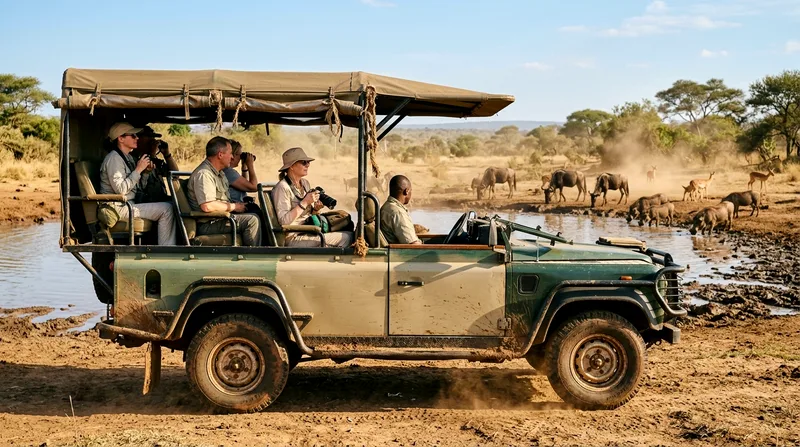
See what a Sri Lanka safari price really includes: jeep hire, park fees, tracker and taxes. Learn how to spot overpricing and share a jeep to save money.
10 min read · 20 Oct 2026
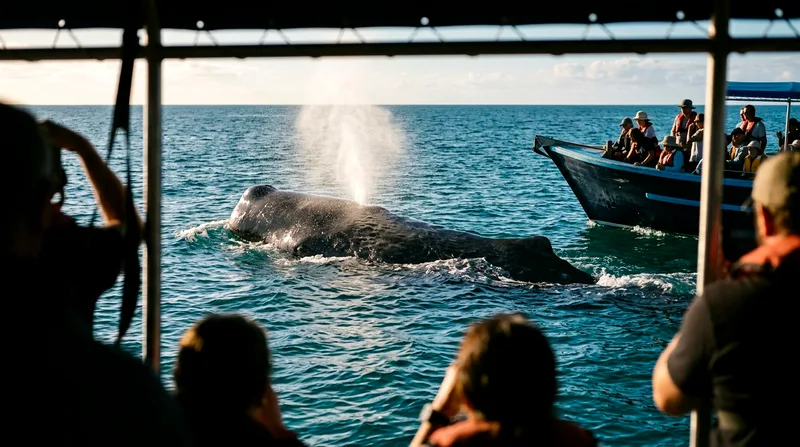
Plan Mirissa whale watching with confidence: compare tour types, learn how to pick a responsible operator, and see season, seasickness and Trincomalee tips.
11 min read · 20 Oct 2026
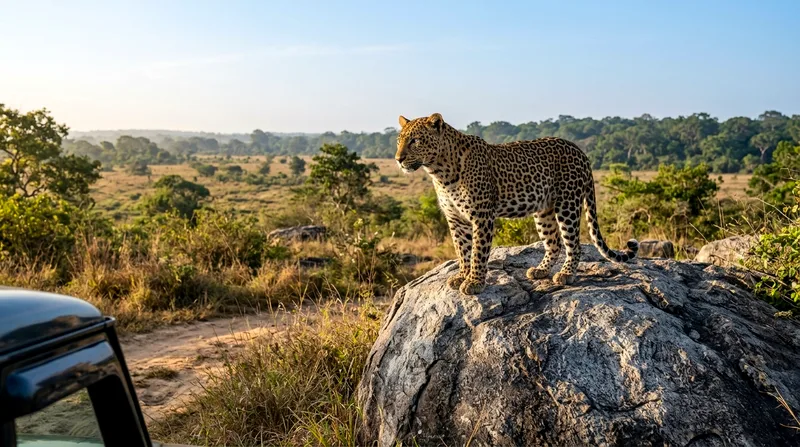
Yala vs Wilpattu compared on leopard odds, crowds, access and season. Find out which Sri Lanka safari park suits your wildlife goals before you book.
9 min read · 20 Oct 2026
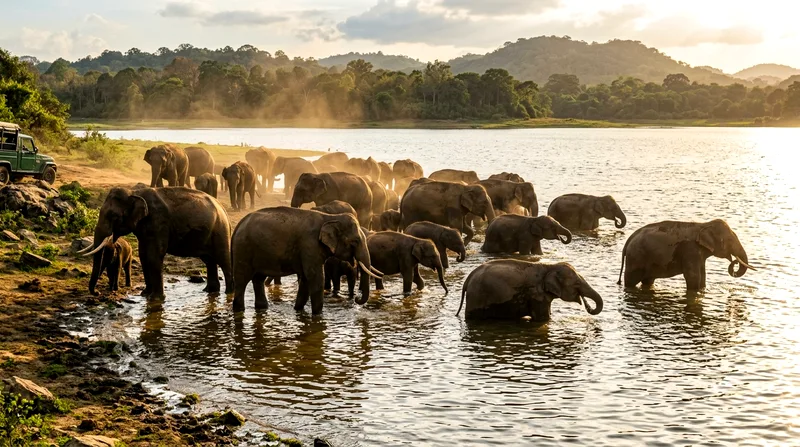
Plan a Minneriya safari to see the seasonal elephant gathering: when to go, how jeep tours work, Kaudulla as an alternative, and Cultural Triangle pairings.
11 min read · 20 Oct 2026
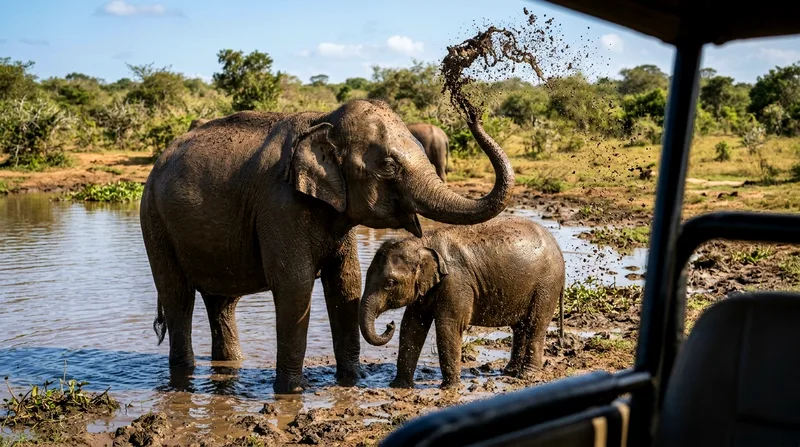
Plan your Udawalawe safari: why it's Sri Lanka's most reliable elephant sighting spot, how to visit, ticket basics, best season and family-friendly tips.
10 min read · 20 Oct 2026
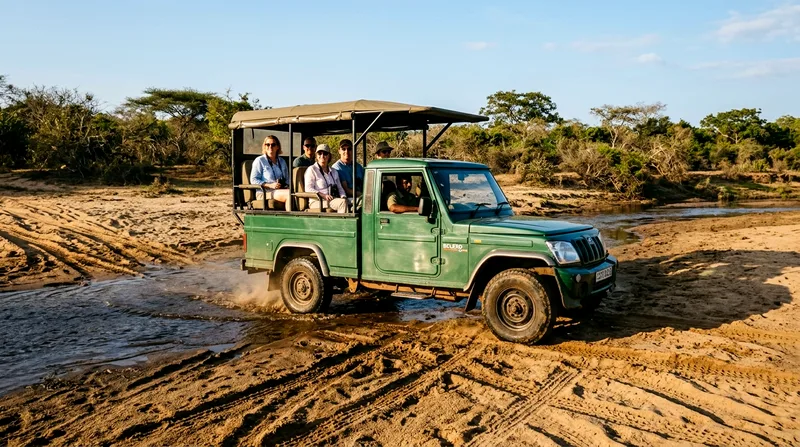
Plan your Yala safari: how tickets work, half-day vs full-day jeep trade-offs, avoiding Block 1 crowds, and tips for spotting leopards.
10 min read · 20 Oct 2026