Yala vs Wilpattu compared on leopard odds, crowds, access and season. Find out which Sri Lanka safari park suits your wildlife goals before you book.
Yala vs Wilpattu: The Core Dilemma
Every traveler researching a Sri Lanka leopard safari eventually lands on the same question: Yala or Wilpattu? Yala National Park, in the island's southeast, holds one of the highest leopard densities recorded anywhere in the world, and it's marketed accordingly — convoys of jeeps, well-worn tracks, and guides who know which rock a particular cat favors at 4pm. Wilpattu National Park, Sri Lanka's largest, sits on the northwest coast and offers something closer to an actual wilderness experience: fewer vehicles, a maze of natural lakes called villus, and leopards that are harder to find but, arguably, more satisfying to spot.
Neither park is a bad choice. The honest answer depends on what you actually want from a few hours in a jeep — a near-guaranteed leopard sighting with company, or a quieter, less predictable encounter with nature that occasionally delivers nothing and occasionally delivers everything. This comparison breaks down sighting odds, crowd levels, access, cost, and seasonal timing so you can book the one that matches your actual priorities, not just the one that ranks higher on review sites.
Yala vs Wilpattu at a Glance
Before getting into the details, it helps to see both parks side by side. Yala is smaller in its tourist-accessible Block 1 but has the higher leopard density per square kilometer. Wilpattu is roughly twice the total size of Yala but spreads its wildlife — and its visitors — much more thinly across villu-studded terrain.
Yala offers higher leopard sighting odds and easier access, while Wilpattu offers a quieter, larger wilderness with slightly lower certainty.
Yala vs Wilpattu safari comparison: leopard odds, crowds, access and cost
| Factor | Yala National Park | Wilpattu National Park |
|---|---|---|
| Leopard sighting odds | High | Moderate |
| Total park size | Smaller (Block 1 heavily used) | Larger overall |
| Crowd level | Busy, especially peak season | Quieter, fewer jeeps |
| Landscape | Dry scrub, rocky outcrops, lagoons | Villu lakes, dense forest |
| Nearest major town | Tissamaharama / Kataragama | Puttalam / Anuradhapura |
| Typical drive from Colombo | Approx. 5-6 hours | Approx. 3-4 hours |
| Relative cost | Mid to higher (demand-driven) | Similar, sometimes slightly lower |
| Best for | First-time leopard seekers | Repeat visitors, quieter wildlife experience |
Figures are typical ranges based on general park characteristics; exact drive times and sighting odds vary by season and route, so confirm current conditions when booking.
Quick Comparison Table
The table below sets out the factors that actually drive the Yala vs Wilpattu decision for most travelers — leopard odds, crowd pressure, drive times, and cost tier. Use it as a first filter, then read the sections that follow for the reasoning behind each row.
Leopard Odds and Wildlife Diversity
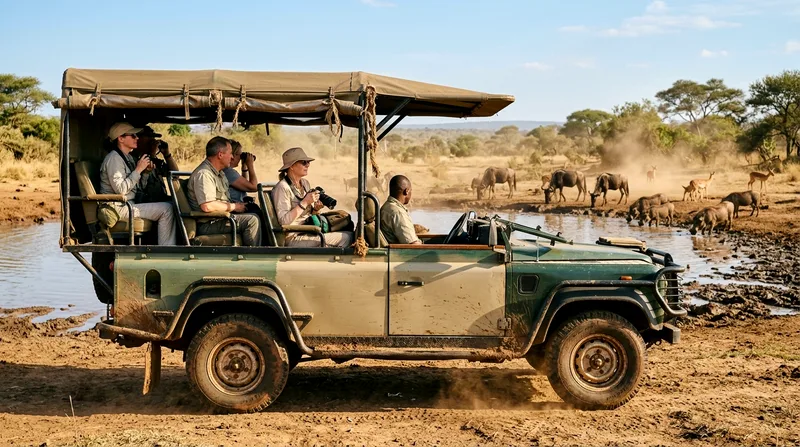
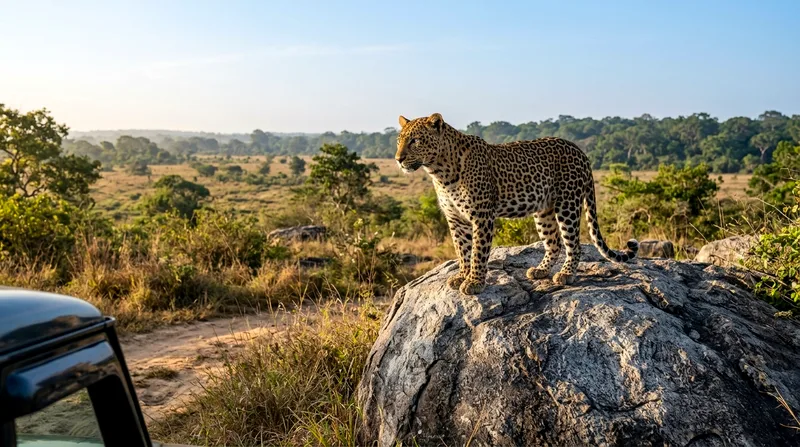
Yala's reputation isn't hype. Studies and park records have repeatedly suggested Yala has one of the highest leopard densities documented globally, concentrated in Block 1 — the roughly 141 sq km section open to general tourism. On a two-drive day during dry season, a sighting is likely, though never guaranteed. Guides communicate by radio, and when a leopard is spotted, it's common for six or more jeeps to converge within minutes. That's the trade-off: better odds, less exclusivity.
Leopard Density and Sighting Chances
Wilpattu's leopard population is real but more dispersed, and the park's thick scrub forest and villu-edge vegetation make spotting harder than Yala's open rocky terrain. You're less likely to see a leopard on a single short drive — multi-drive stays improve odds significantly, which is part of why Wilpattu rewards a two- or three-night stay more than a day trip. If your only goal is ticking off a leopard photo in one outing, Yala wins decisively. If you're willing to trade certainty for a better story and fewer other jeeps in the frame, Wilpattu is worth the gamble.
Sloth Bears, Elephants and Other Species
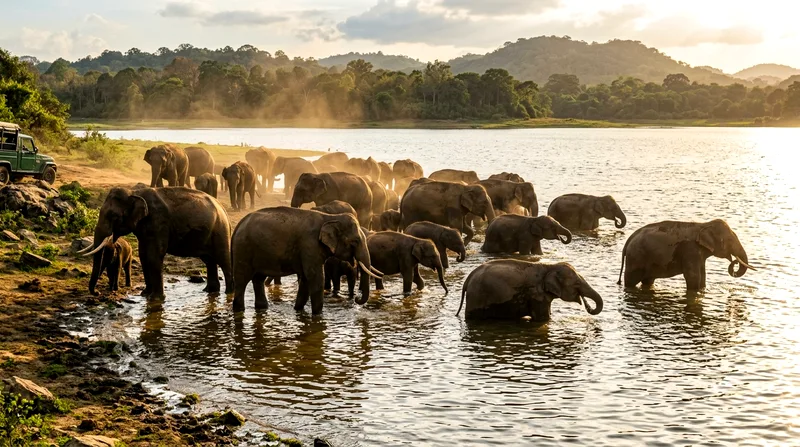
Both parks hold sloth bears, Sri Lankan elephants, and a strong supporting cast of spotted deer, wild boar, crocodiles, and over 200 recorded bird species between them. Yala tends to produce more elephant sightings near its water sources, especially in dry months. Wilpattu's elephants are present but more scattered through forest cover. Neither park matches Minneriya National Park for sheer elephant numbers — Minneriya's seasonal "elephant gathering" draws hundreds of animals around its reservoir and is a genuinely different experience worth combining with either Yala or Wilpattu if your itinerary allows a third park.
Crowds, Landscape and Safari Feel
This is where the two parks diverge most sharply, and it's probably the single biggest factor in a yala or wilpattu decision for most visitors. Yala, particularly Block 1 during December to March, can feel like a procession — dozens of jeeps queuing at a sighting, dust clouds, and radio chatter overriding the quiet you came for. It's not unpleasant exactly, but it's not wilderness solitude either.
Jeep Traffic and Tourism Intensity
Wilpattu sees a fraction of Yala's jeep volume on any given day. Part of this is geography — it's a longer drive from Colombo and from the south coast beach towns, so it doesn't pick up casual day-trippers the way Yala does from Tissamaharama. Part of it is simply lower profile; many travelers haven't heard of Wilpattu until they start comparing options. If photography without ten other long lenses in your shot matters to you, that alone should tilt you toward Wilpattu.
Coastal Scrub vs Villu Ecosystem
Yala's terrain mixes dry scrub forest, rocky outcrops, and lagoons close to the Indian Ocean coastline — Block 1 actually borders the sea, and some drives end with a coastal view. Wilpattu's defining feature is the villu ecosystem: natural, shallow freshwater lakes scattered through dense forest, fed by rain rather than rivers. These villus concentrate wildlife at their edges and create a genuinely different visual experience — more green, more water reflections, less open grassland. If you've already done a Yala-style scrub safari elsewhere (or seen similar terrain in parts of Kenya or South Africa), Wilpattu's forest-and-lake combination will feel distinct rather than repetitive.
Access, Effort and Cost Level
Neither park is hard to reach by Sri Lankan standards, but the practical effort differs enough to matter for short itineraries.
Location, Drive Time and Gates
Yala sits near Tissamaharama and Kataragama in the southeast, roughly 5-6 hours from Colombo by road, but far more commonly visited as an add-on to a south coast beach stay — from Mirissa or Tangalle it's closer to 2 hours. Wilpattu is roughly 3-4 hours from Colombo and is often paired with Anuradhapura or Sigiriya rather than beach towns, since it sits on the northwest side of the island, inland from the coast near Puttalam. If your trip centers on the cultural triangle, Wilpattu fits the route naturally; if it centers on the south coast, Yala is the obvious add-on.
Relative Cost and Effort
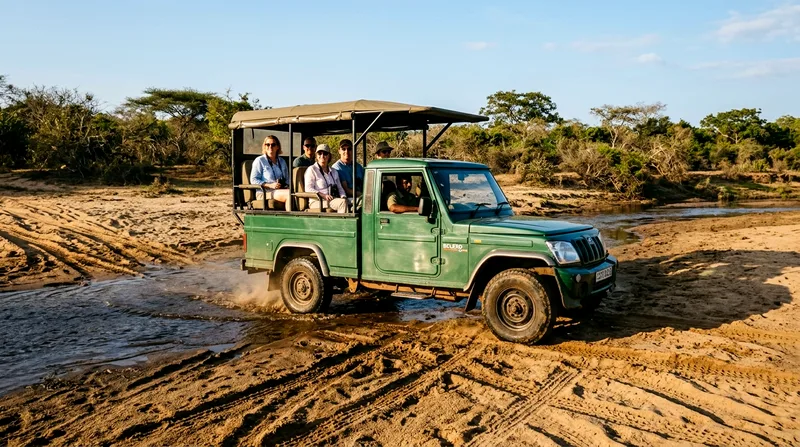
Park entry fees and jeep hire are broadly comparable between the two, though Yala's entrance fees have historically run slightly higher given demand, and shared jeep costs split across a full vehicle (typically 6 seats) bring the per-person price down either way. Wilpattu's lower visitor volume sometimes means better availability for last-minute bookings in shoulder season. Don't assume Wilpattu is dramatically cheaper — the savings, where they exist, are modest. The bigger cost difference comes from where you're staying before and after: beach-adjacent Yala trips tack onto an already-planned south coast stay, while Wilpattu often requires a dedicated night near the park.
Best Season for Each Park
Timing affects both parks substantially, and getting it wrong is one of the more common booking mistakes.
Dry Season and Water-Hole Patterns
Yala's prime season runs roughly February through June, when the dry season concentrates animals around shrinking water sources, making sightings more predictable. Wilpattu's dry season runs a bit differently — roughly May through September tends to be better, though it's less dramatically seasonal than Yala since the villus retain water longer. In both parks, dry conditions push wildlife toward visible water edges, which is exactly where jeep routes are concentrated, so timing your visit to the dry window meaningfully improves your odds in either park.
Months to Avoid
Yala closes entirely — usually through September — for its annual dry-season closure to let the ecosystem recover and water sources regenerate; check current closure dates before booking, since they shift slightly year to year. Wilpattu doesn't have a fixed annual closure but gets noticeably wetter and muddier from October to January, with some tracks becoming difficult to drive. Avoid planning a Yala trip in September without checking closure status first — it's a common mistake that ruins itineraries built months in advance.
Which Park Should You Choose
If you strip away marketing, the decision comes down to what kind of disappointment you can tolerate — no leopard at all, or a leopard shared with ten other jeeps.
Best for First-Timers vs Repeat Visitors
First-time visitors to Sri Lanka, especially families with children or senior travelers who want a safari that reliably delivers within a single morning drive, should lean toward Yala. The infrastructure is more developed, guides are more experienced with tourist flow, and the odds genuinely favor a sighting. Repeat visitors, serious photographers, and anglers or surfers already splitting time between the south coast and the cultural triangle tend to appreciate Wilpattu more — it rewards patience and a slower pace, and it pairs naturally with Anuradhapura or Sigiriya rather than requiring a separate southern detour.
Final Verdict
Book Yala if you want the best statistical chance of seeing a leopard and don't mind sharing the moment with other vehicles — it's the safer bet for a single safari drive, and it's what most first-time Sri Lanka itineraries are built around. Book Wilpattu if solitude, forest atmosphere, and the villu scenery matter more to you than certainty — it's the better choice for a second safari or a slower-paced trip. If your schedule allows five or six extra days, doing both — perhaps alongside Minneriya for elephants — gives a genuinely fuller picture of Sri Lankan wildlife than either park alone, and it's a combination that compares well against spreading the same days across Kerala's backwaters or a single long wildlife stay in Nepal's Chitwan region.
Frequently asked questions
Is Wilpattu bigger than Yala?
Yes. Wilpattu National Park covers roughly 1,300 sq km, making it Sri Lanka's largest national park, while Yala's total area is smaller, and its tourist-accessible Block 1 — where almost all safaris happen — is only around 141 sq km. Wilpattu's greater size is part of why wildlife feels more spread out and sightings take longer to find.
How likely are you to see a leopard in Yala?
Very likely, though not guaranteed. Yala has one of the highest documented leopard densities in the world, and most two-drive day visits (morning and afternoon) during dry season result in at least one sighting. Wet months and the September-ish park closure period reduce both access and odds, so timing matters as much as the park choice itself.
Which park is less crowded?
Wilpattu is consistently less crowded than Yala. Yala's Block 1 draws heavy jeep traffic, especially December through March and around sightings, where multiple vehicles converge. Wilpattu's lower visitor numbers and longer drive from Colombo keep jeep density noticeably lower, even in its own peak months.
Is it worth visiting Wilpattu National Park?
Yes, particularly if you've already done a busier safari elsewhere or want a quieter wildlife experience. Wilpattu won't match Yala's leopard odds, but its villu lakes, denser forest, and lower tourist volume make for a more immersive few hours, especially across a two- or three-drive stay rather than a single quick visit.
What is the villu ecosystem?
Villus are natural, shallow freshwater lakes formed by rainwater collecting in low-lying basins within Wilpattu's forest, rather than being fed by rivers. They're the park's defining feature, giving Wilpattu over 50 recorded villus that concentrate birds, deer, and predators along their edges, and they're the reason the park's name — roughly "land of lakes" — makes sense on the ground.