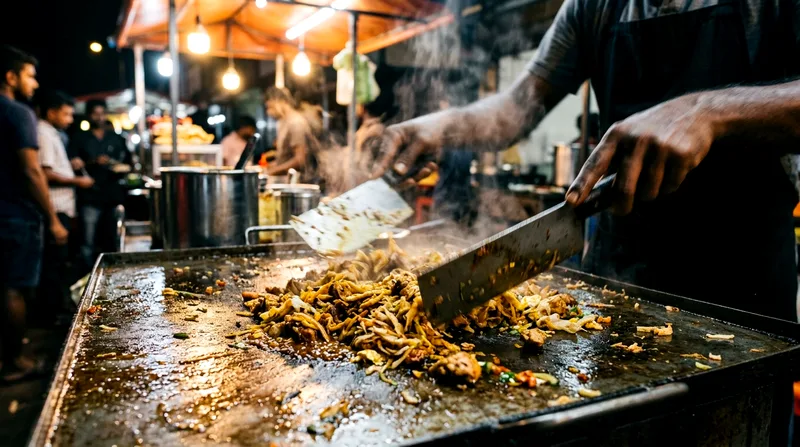
Sri Lanka Kottu: The Street Dish and Where to Try It
Discover Sri Lanka kottu: the story and rhythmic sound of kottu roti, its best variations, and where to eat it in Colombo, from stalls to food tours.
9 min read · 20 Oct 2026
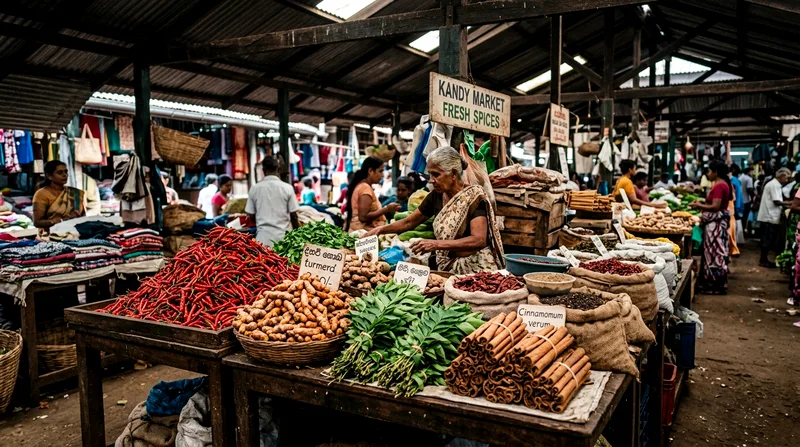
Tours & activities
Find the best Sri Lanka food tour for your trip: compare street food walks, cooking classes and tea experiences, and learn how to spot authentic stops.
Sri Lankan food rewards curiosity more than almost any cuisine in South Asia. Rice and curry sounds like one dish on a menu, but it's really a format — a dozen small bowls of vegetable curries, sambols, and a protein, built differently in a Colombo household than in a Jaffna one. A good sri lanka food tour makes that variety visible instead of flattening it into "spicy local food." The wrong tour treats you to the same three dishes every tourist gets served, with none of the explanation.
Before you book anything, decide what you actually want from the day: hands-on cooking, pure eating, or a mix with some cultural framing. A street food walk suits people who want variety and movement. A cooking class suits people who want to take something home — literally, in the form of a recipe you can repeat. Tea estate visits suit those extending into the hill country anyway, and pairing well with a Nine Arch Bridge or Little Adam's Peak day in Ella.
First-time visitors generally do best starting with a half-day Colombo or Negombo tour that mixes a market visit with two or three food stops — it's low commitment and gives you a reference point for the rest of the trip. Families with children under ten should lean toward cooking classes over night street food walks; the kitchen setting is calmer, there's usually space to sit, and kids can participate in rolling roti or grinding coconut rather than just watching. Solo travelers often get the most out of small-group street food tours, where the shared plates and running commentary double as a quick way to meet other travelers. Avoid large bus-based "cultural dinner" tours with 40 or more guests — the food is cooked in bulk ahead of time and loses the freshness that makes Sri Lankan food worth seeking out in the first place.
Sri Lanka is genuinely one of the easier Asian destinations for vegetarians, arguably easier than Vietnam or parts of Thailand, because a rice-and-curry spread is built from multiple vegetable dishes by default — dhal, pumpkin curry, beetroot curry, and polos (young jackfruit) curry are staples, not substitutions. Say so clearly when booking any tour or class, since some operators assume Western tourists want meat-heavy menus and will plan accordingly unless told otherwise. Vegans should flag coconut-milk-heavy dishes aren't a problem, but ask specifically about ghee use in sweets and whether fish-based Maldive fish flakes (a common sambol ingredient) will be left out. Gluten-free travelers should know hoppers and kottu roti both typically contain wheat flour or wheat-based bread, so a tour heavy on those two dishes needs adjusting in advance, not at the table.
Food tours in Sri Lanka generally fall into five categories, and they don't overlap as much as marketing copy suggests. Street food and market tours are about breadth — lots of small tastes, lots of walking, minimal instruction. Cooking classes are about depth — fewer dishes, but you learn technique and take home a method, not just a memory. Tea experiences are really plantation and factory visits with a tasting built in, closer to a short excursion than a meal. Multi-day culinary trips stitch several of these together across regions. And then there's the group-versus-private axis, which cuts across all of the above and affects pricing and flexibility more than category does.
A street food walk and a cooking class deliver very different things, so match the category to what you actually want from the day rather than booking whatever comes up first.
Sri Lanka food tour categories compared by duration, format and who they suit
| Tour Category | Typical Duration | Group Size | Best For | Main Trade-off |
|---|---|---|---|---|
| Street food/market walk | 2-4 hours | Small group or private | First-timers, solo travelers wanting variety | Wide variety but shallow on technique |
| Tuk-tuk food tour | 3-4 hours | Small group or private | Couples, those short on walking stamina | Covers more ground but feels more touristic |
| Cooking class | 3-5 hours | Private or small group | Families, hands-on learners | Fewer dishes, but skills you keep |
| Tea plantation experience | 1-2 hours | Group or private | Hill country travelers, senior travelers | Light on food, more about process and views |
| Family home dining | 2-3 hours | Usually private, small numbers | Couples, culturally curious travelers | Deeply authentic but needs advance booking |
| Multi-day culinary trip | 2-5 days | Small group or private | World travelers wanting regional contrast | Bigger time and cost commitment |
Durations and group sizes are typical ranges; always confirm the exact format and inclusions when you book.
These typically run two to four hours, often starting in late afternoon or evening when street stalls are busiest, and cover four to six stops — kottu roti being cooked and chopped on a hot griddle, maybe a short eats stall doing vadai or patties, a fresh juice stand, and a sweets shop. Tuk-tuk versions add transport between stops spread across a wider area, useful in sprawling cities like Colombo where walking between neighborhoods isn't practical. The appeal is variety and atmosphere — you see the city functioning, not a staged version of it. The downside: you're at the mercy of whatever's freshly cooked that evening, and if a tour operator always stops at the same stalls, vendors sometimes pre-prepare for the tour group rather than serving off their normal rotation, which blunts the "real street food" promise a little.
Cooking classes usually run three to five hours including a market or garden visit beforehand, and cover three to five dishes — a curry, a sambol, maybe hoppers or roti, finished with the group eating what they made. Some are taught in home kitchens by a local cook, others in small dedicated cooking schools; the home-kitchen version tends to feel less rehearsed. Tea experiences center on the hill country — a walk through a working tea estate, a factory tour showing withering and rolling, and a tasting flight of two or three grades, usually under two hours and light on food beyond snacks. Family dining experiences, where you eat in someone's home rather than a restaurant or cooking school, are the least marketed but often the most memorable — expect a full rice-and-curry spread, slower pacing, and genuine conversation, though availability is limited and these need booking well ahead through a specialist operator rather than picked up last minute.
Food in Sri Lanka changes meaningfully by region, which is why a single Colombo tour doesn't tell you the whole story — closer in spirit to doing one food walk in Bangkok and assuming you've understood Thai regional cuisine, which you haven't. Sinhalese cuisine dominates the south and central areas, with Tamil cuisine stronger in the north and parts of the hill country tea estates, bringing different spice blends and a heavier use of tamarind and dried fish in some Tamil dishes.
Colombo has the widest tour selection by far, from street food crawls through Pettah market to upscale tasting menus referencing chefs like Peter Kuruvita, whose restaurants have helped push Sri Lankan fine dining toward international recognition without losing the core flavors. Negombo, close to the airport, is a sensible stop on arrival or departure day for a shorter seafood-focused market tour — its fish market is one of the most active on the west coast and makes a practical two-to-three hour add-on rather than a dedicated day. Coastal towns further south, like Galle or Mirissa, have fewer formal tours but strong seafood restaurants worth asking your guesthouse about directly rather than booking a packaged experience.
Kandy mixes a temple-town pace with solid cooking class options, often set in family homes on the city's outskirts, and it's a sensible base if you're also visiting the Temple of the Tooth or Royal Botanical Gardens. Haputale and the wider hill country around Ella and Nuwara Eliya are where Ceylon tea experiences concentrate — working estates offering tastings alongside views over the plantations, often combinable with a short hike. Food here leans more on hearty, warming dishes given the cooler climate — think more root vegetable curries, less coconut-heavy seafood. If you're building a longer Sri Lanka itinerary, pairing a Kandy cooking class with a Haputale tea visit a few days later gives a far better sense of range than stacking everything into Colombo alone.
The difference between a forgettable sri lanka food tour and a genuinely good one usually comes down to a handful of details that have nothing to do with price. Read the itinerary description carefully — vague phrasing like "sample of local delicacies" without naming any actual dish is a warning sign the operator keeps things generic across every guest instead of showing you something specific to that day or market.
Check exactly what's included — some tours quote a price covering only guiding and transport, with food paid for separately at each stall, which can add up fast if you don't budget for it. Group size matters more than people expect: anything beyond eight to ten guests on a street food walk means long waits at small stalls and a rushed guide. Private tours cost more per person but let you set the pace, skip dishes you won't eat, and ask real questions instead of competing for the guide's attention. If you're traveling as a couple or small family, private is usually worth the extra cost; solo travelers on a budget get fine value from small fixed-group departures instead.
A few practical checks go a long way. Look for stalls with high local customer turnover rather than empty ones kept open purely for tour groups — if locals aren't eating there, be cautious. Ask whether the tour visits the same vendors every single time; rotating or seasonal stops usually mean fresher, more honest sourcing. On hygiene, food cooked to order on a visibly hot flame (kottu roti, fresh hoppers) is generally safer than pre-made items sitting out, and bottled water should be offered or available nearby. Avoid any tour promising to show you "secret" or "hidden" markets that happen to be a ten-minute walk from your hotel — authentic doesn't mean undiscovered, it means well-run and locally trusted.
Timing affects both availability and the quality of what you'll actually eat, more than most travelers assume when comparing this to, say, booking a Bali cooking class where seasonality barely matters.
Sri Lanka's two monsoon systems mean the west and south coasts (Colombo, Negombo, Galle) are driest roughly December through March, while the hill country and east coast have different wet seasons entirely — worth checking before locking in a tea estate day in Haputale, since persistent rain limits the plantation walks even though the tasting itself still happens indoors. Festival periods — particularly Sinhala and Tamil New Year in mid-April, and Vesak in May — bring special sweets and dishes onto the street that you won't find the rest of the year, so if your trip dates are flexible, aligning with one of these is worth it for food alone. Family home dining experiences and well-regarded cooking classes in Kandy or Colombo can book up a week or more ahead during the busier December-to-March season, so reserve those as soon as your dates are fixed rather than waiting until you land. Street food walks and market tours are more flexible and can usually be booked a day or two ahead, even through your guesthouse directly.
There's no single best tour, but the strongest combination for most travelers is a half-day Colombo street food or market walk plus one hands-on cooking class, ideally in a home kitchen in Colombo or Kandy. That pairing covers both breadth and depth. Add a tea estate visit near Haputale or Ella if you're already heading into the hill country.
Most street food and market tours include a local guide, transport between stops if it's a tuk-tuk format, and either tastings at each stop or a fixed food budget per person. Cooking classes typically include ingredients, instruction, and the meal you cook. Drinks, alcohol, and extra snacks are often excluded — check the listing before you book.
Colombo and Kandy have the widest choice, ranging from dedicated cooking schools to home-based classes run by local families. Galle and Negombo have fewer options but some guesthouses arrange informal sessions directly. Classes usually run three to five hours and cover three to five dishes, starting with a market or garden visit to pick ingredients.
Yes — Sri Lankan cuisine is naturally vegetable-rich, with dhal, pumpkin curry, and jackfruit curry as everyday staples rather than substitutions. Most street food and cooking class operators can adapt easily if you mention dietary needs when booking, though it's worth confirming fish-based sambol ingredients are left out if you're strictly vegetarian or vegan.
Both are widely available. Private tours cost more per person but let you control pace, skip dishes, and ask more questions — better for families, couples, and travelers with dietary restrictions. Small fixed-group tours (six to ten people) are more budget-friendly and suit solo travelers wanting company. Compare current tour options and reviews before booking either format.
Discover Sri Lanka kottu: the story and rhythmic sound of kottu roti, its best variations, and where to eat it in Colombo, from stalls to food tours.
9 min read · 20 Oct 2026
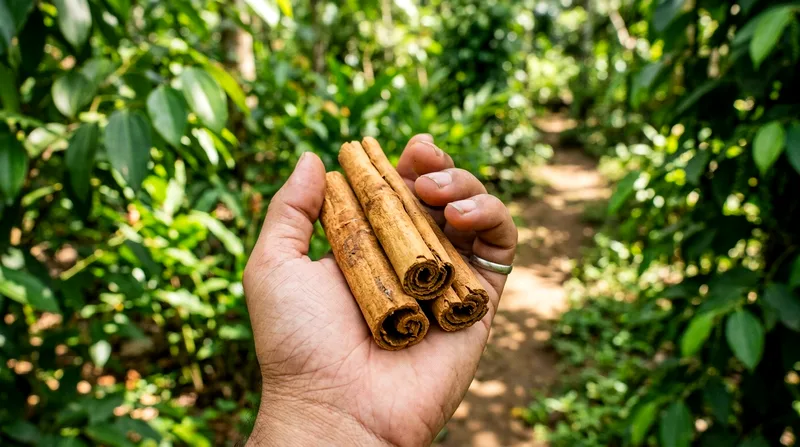
Plan a Sri Lanka spice garden tour without the hard sell. Learn what to expect in Matale, how to spot scams, and how to visit gardens that stay honest.
10 min read · 20 Oct 2026
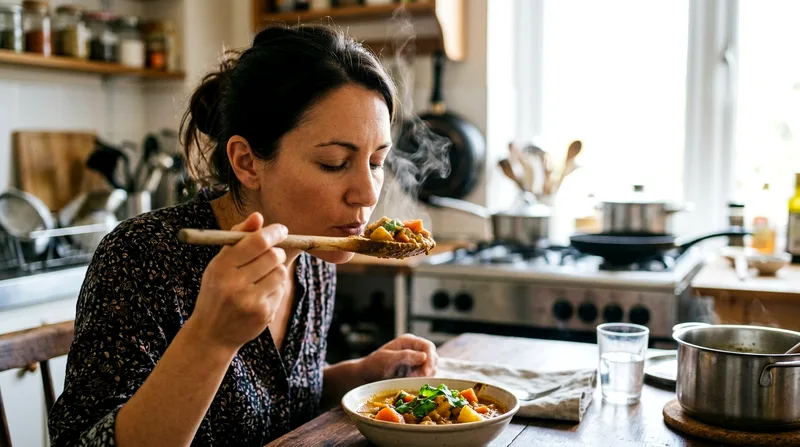
Cooking class or food tour in Sri Lanka? Compare time, cost level, variety and family-friendliness to choose the best food experience for your trip.
9 min read · 20 Oct 2026
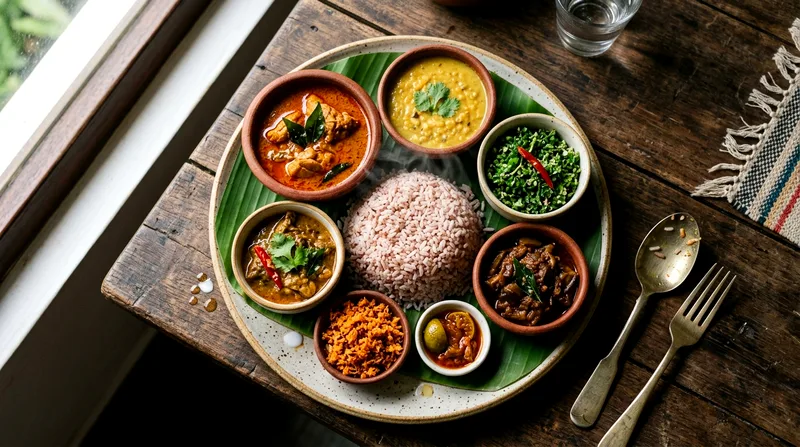
Explore Sri Lanka food from hoppers to lamprais. Learn the essential dishes, rice and curry basics, spice levels for families and where to taste them.
11 min read · 20 Oct 2026
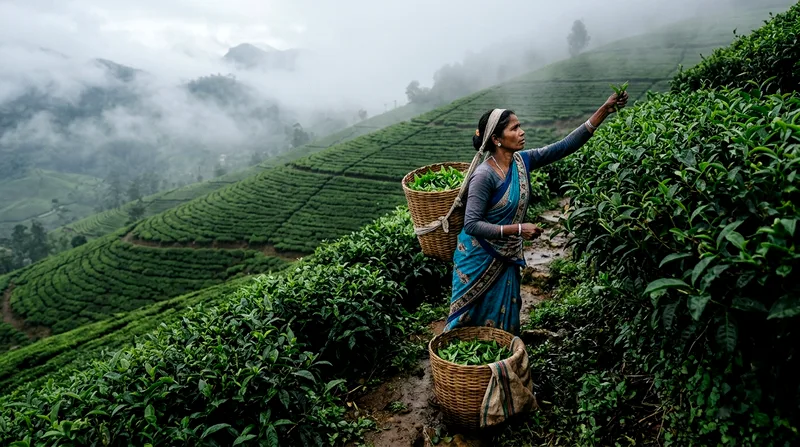
Compare Sri Lanka tea plantation tours from Nuwara Eliya to Ella: real factory walk-throughs vs quick shop stops, tasting options and how to book well.
10 min read · 20 Oct 2026
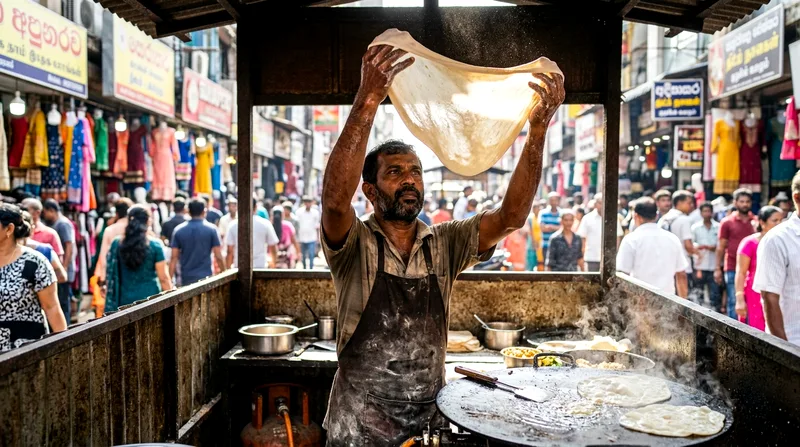
Compare the best Colombo street food tour formats, from evening tuk-tuk rides to Pettah walks, with hygiene tips, booking checks and when to book.
10 min read · 20 Oct 2026
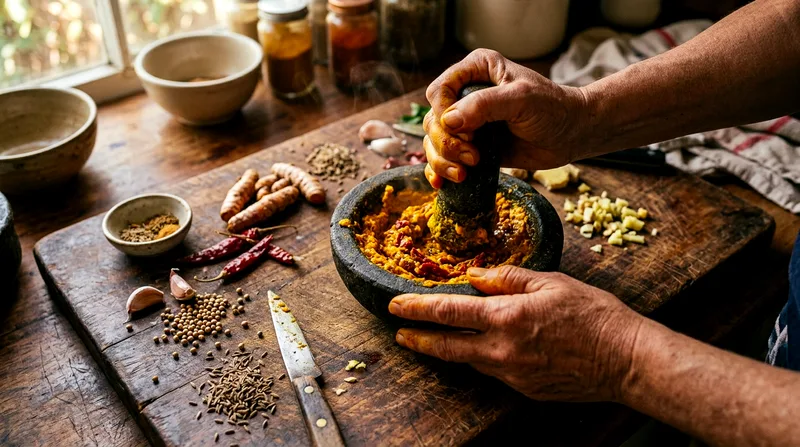
Compare Sri Lanka cooking classes in Ella, Kandy and Galle. See which home-kitchen and market-to-table experiences suit you, plus what to check before booking.
11 min read · 20 Oct 2026