Compare Sri Lanka tea plantation tours from Nuwara Eliya to Ella: real factory walk-throughs vs quick shop stops, tasting options and how to book well.
Sri Lanka Tea Plantation Tour: What You're Actually Booking
Here's the letdown that catches a lot of visitors out: you book a "tea plantation tour," and what you get is twenty minutes in a gift shop with a single rusting rolling machine in the corner, followed by a hard sell on cinnamon tea and chocolate-dipped everything. No factory floor, no withering troughs, no actual tasting beyond a free sample cup poured from a thermos. It happens constantly along the A5 and A7 roads through the Hill Country, because tour drivers often get a commission for the stop.
A genuine Sri Lanka tea plantation tour is a different experience entirely — you walk through a working factory, see leaf at different stages of processing, and taste two or three grades side by side with someone who can explain what you're drinking. These exist in real numbers around Nuwara Eliya, Ella and Haputale, and they're not hard to find once you know what to ask for. This guide breaks down the tour categories, tells you which estates and factory visits are worth building into a Kandy-to-Ella itinerary, and gives you the specific questions to ask before you book — so you end up with a tasting table, not a gift shop queue.
Which Tea Tour Suits Which Traveller
Not every traveller needs the same depth of tea experience. A family doing a week-long Hill Country loop has different needs than a retired couple with a free afternoon in Nuwara Eliya, and a photographer chasing mist on the terraces wants something neither of those groups cares about.
First-timers and families
If this is your first exposure to Ceylon tea and you've got children in tow, go for a short factory walk-through — 30 to 45 minutes — paired with a simple tasting. Most working factories near Nuwara Eliya and Ella run visitors through withering, rolling, fermentation and drying in a single loop, and it's genuinely interesting for kids old enough to follow a basic process (roughly age 7 and up; younger kids tend to get bored around the fermentation room). Avoid anything billed mainly as a "tea garden experience" with picking baskets handed to tourists for photos — it's charming for five minutes but adds little understanding of the product, and the baskets are usually props rather than real harvesting kit. Stick to factories that let you see machinery actually running, not static displays.
Tea enthusiasts and photographers
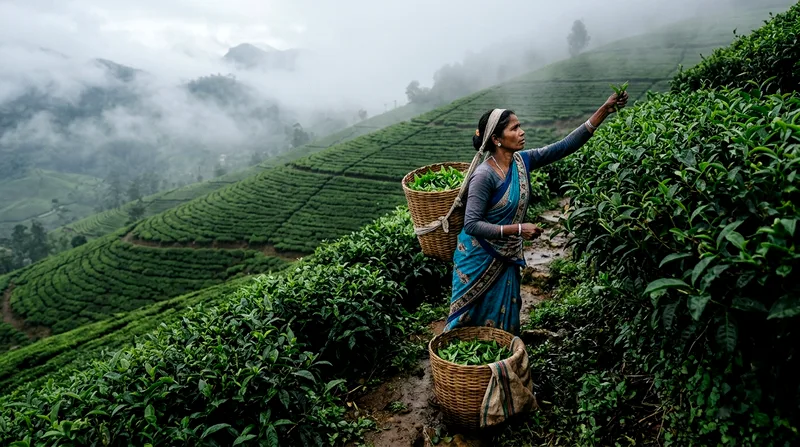
If you actually care about grades, oxidation levels and terroir, look for a tour that includes a structured tasting — pekoe, orange pekoe, broken orange pekoe fannings, maybe a high-grown versus low-grown comparison — led by someone who can talk altitude and seasonal flush, not just pour cups. Some estates around Haputale and the Ella-Demodara stretch allow early-morning visits when pickers are actually working the rows, which is what photographers want: low mist, raking light, and women in traditional dress moving through the bushes with baskets strapped to their foreheads. Ask specifically whether picking happens on the day you plan to visit — on quieter plantation days, you'll only get the factory and not the fields.
Main Types of Tea Plantation Tours Compared
Tea tours in Sri Lanka fall into a handful of recognisable categories, and the difference between them is less about price and more about depth. Knowing the category before you book saves you from the 20-minute shop-stop trap.
A factory walk-through with a multi-grade tasting delivers far more than a roadside shop stop, but takes more planning to arrange.
Sri Lanka tea plantation tour categories compared
| Tour category | Typical duration | What's included | Best for |
|---|---|---|---|
| Factory walk-through | 30-60 min | Full process view, basic tasting | First-timers, families |
| Quick shop stop | 10-20 min | Brief glimpse, retail focus | Time-pressed road-trippers (low value) |
| Tasting-led tour | 45-90 min | Multi-grade tasting, guided explanation | Tea enthusiasts |
| Estate walk and picking | 1-2 hours | Guided row walk, picking demo, factory stop | Photographers, active travelers |
| Private estate itinerary | Half day | Two or more chosen stops, flexible pace | Couples, small groups, enthusiasts |
Durations and inclusions vary by estate and season; confirm specifics with the operator before booking.
Factory walk-through vs quick shop stop
A proper factory walk-through takes you through the full processing chain — withering lofts upstairs, rolling machines on the factory floor, the fermenting room, and the drying ovens — usually ending at a grading and sorting area before the shop. These run 30 to 60 minutes and are typically self-guided with signage or led by a factory staff member, not a sales rep. A quick shop stop, by contrast, is built around retail: you might glimpse one machine through a window, then get steered straight to packaged tea and souvenirs. Both get called "tea factory tours" in marketing, which is the whole problem. If an itinerary doesn't name a specific estate or factory — Pedro Tea Estate near Nuwara Eliya is one of the few that's commonly named directly — treat it as a likely shop stop and ask the operator for specifics before booking.
Private vs group and add-on experiences
Group tours bundled into Kandy-to-Nuwara Eliya-to-Ella road itineraries usually include one tea stop as a fixed part of the route, with limited choice over which estate you visit. Private tours or private drivers give you control — you can ask to stop at Ramboda's estates on the way up from Kandy, then a second factory near Ella later in the trip, rather than one rushed stop. Add-on experiences worth considering include guided picking sessions (you walk the rows with a tea picker, learn the "two leaves and a bud" standard, and sometimes keep a small sample) and multi-grade tastings with a trained taster. I'd rank a single well-chosen private factory visit with a real tasting above three rushed group stops any day — quality over quantity matters more here than almost anywhere else in a Sri Lanka itinerary.
Nuwara Eliya to Ella: Estate and Factory Stops
The classic Hill Country tea route runs from Kandy up through Ramboda and Nuwara Eliya, then down through Haputale to Ella — and it's the backbone of most Ceylon tea tours sold to visitors. Each stretch has a different character.
Nuwara Eliya tea factory visits
Nuwara Eliya sits at roughly 1,900 metres elevation, high-grown tea country, and it's the most tourist-developed part of the route — which cuts both ways. You get easy access and well-worn visitor paths, but also the highest concentration of shop-stop operations. Pedro Tea Estate, just outside the town, is one of the more commonly recommended stops for an actual factory walk-through rather than a retail-first visit; it's also one of the higher estates in the area, so expect cooler, often misty mornings. The Ramboda area, on the approach road from Kandy, has several smaller factories worth a stop if your driver is flexible — these tend to be quieter than anything directly in Nuwara Eliya town. Factory opening hours and whether processing is actually running on a given day can change with the harvest season, so always confirm before you build your schedule around one stop.
Ella and Haputale-area estates
Ella itself is better known for the Nine Arches Bridge and Little Adam's Peak than for tea, but the surrounding hills — particularly toward Demodara and on the road to Haputale — are thick with plantations, and several estates run visitor-friendly factory tours. Haputale, about 90 minutes from Ella by road, sits lower in elevation terms relative to Nuwara Eliya but still well within high-grown tea territory, and its estates tend to see fewer coach tours than the Nuwara Eliya cluster — a real advantage if you dislike crowded factory floors. If you're combining tea with the Kandy-to-Ella train, note that train seats sell out well ahead during peak months, so don't assume you can slot a tea stop into a same-day rail plan without checking seat availability first.
What to Look for When Booking
The gap between a good tea tour and a wasted stop usually comes down to a handful of details you can check before you pay anything.
Inclusions, tasting format and group size
Ask exactly what the tasting includes — one cup of generic "Ceylon tea" is not the same as a comparison of two or three grades with explanation of flush and oxidation. Ask whether you'll see the factory running or just walk past still machinery; processing is seasonal and sometimes machines sit idle between harvest flushes. Group size matters more than people expect: a coach group of 40 moving through a small factory floor means you'll see little and hear less of the guide, while a group capped around 10-15, or a private visit, lets you actually ask questions and linger at the tasting table. If the listing doesn't mention group size or tasting format at all, email or message the operator and ask directly — it's a reasonable question and a legitimate operator will answer it.
Cancellation and transport terms
Check whether the tea visit is a standalone booking or bundled into a longer Hill Country transport package — bundled tours are often non-refundable once a driver is assigned, while standalone factory-and-tasting bookings tend to have more flexible cancellation windows, commonly 24 to 48 hours. Confirm who's providing transport to the estate itself: some tours include pickup from Nuwara Eliya or Ella town, others expect you to arrange a tuk-tuk or taxi to the estate gate, which can add cost and time you hadn't budgeted. Always compare current prices and reviews before you book, since factory access, tasting formats and seasonal operating hours change and a listing that was accurate a season ago may not be now.
When to Book and Visit
Timing affects both the quality of what you'll see on the factory floor and how comfortable the visit is.
Best season and time of day
The Hill Country has two main flush periods tied to monsoon patterns, and factories are busiest — meaning machines are actually running and there's more to see — during these windows rather than slow periods between harvests. Morning visits, roughly 9am to 11am, tend to catch more active processing and, if you're near Haputale or the Ella hills, a chance of seeing pickers still working before the day heats up. Afternoons are quieter on the factory floor but better for photography once the mist burns off around Nuwara Eliya. Expect cool temperatures year-round at these elevations — pack a light jacket even if you've come from the coast, since mornings commonly sit in the mid-teens Celsius.
How far ahead to book
For a standalone factory tour or tasting, booking a day or two ahead is usually enough outside peak travel months (roughly December to March and August). If you're combining the tea stop with the Kandy-Ella train or a private Hill Country driver, book the transport first — rail seats in peak season can sell out one to two weeks in advance — then slot the tea visit into whatever window your travel schedule leaves. Private estate itineraries with a specific driver benefit from booking at least a few days out so the operator can confirm which factories are actively processing that week.
Frequently asked questions
Which tea estates in Sri Lanka offer real factory tours?
Pedro Tea Estate near Nuwara Eliya is among the most commonly recommended for an actual walk-through rather than a shop-first stop. Several smaller factories around Ramboda, Haputale and the hills near Ella also run genuine visitor tours — ask any operator to name the specific estate before booking, since generic "tea plantation tour" listings often default to roadside retail stops instead.
Is a tea factory tour in Nuwara Eliya worth it?
Yes, if you pick one that actually runs you through the processing chain — withering, rolling, fermenting, drying — and includes a real tasting. Skip it if the listing only promises a "tea garden visit" with no named factory, since that's usually code for a shop stop with minimal production on view.
Can you visit a tea plantation near Ella in a day?
Yes. Several estates sit within a 30 to 90 minute drive of Ella, particularly toward Demodara and Haputale, and a half-day private tour comfortably fits a factory visit, tasting and some photo time among the terraces without disrupting the rest of your Ella itinerary.
Do Sri Lanka tea plantation tours include tastings?
Most do, but the format varies widely — some offer a single complimentary cup, others a structured comparison of two or three grades with a guide explaining flush and oxidation. Confirm the tasting format before booking if that's your main interest, rather than assuming depth from the word "tasting" alone.
What is the best time of day to visit a tea factory?
Mid-morning, roughly 9am to 11am, tends to coincide with active processing on the factory floor and, in picking season, pickers still working the rows. Afternoons are quieter for machinery but can suit photographers once morning mist clears, especially around Nuwara Eliya and Haputale.