Compare Sri Lanka cooking classes in Ella, Kandy and Galle. See which home-kitchen and market-to-table experiences suit you, plus what to check before booking.
Which Cooking Class Suits You?
A good Sri Lankan kitchen smells like this before you even sit down: coconut being scraped by hand off its shell, curry leaves and mustard seeds popping in hot coconut oil, and the sharp, clean smell of a pandan leaf going into rice. A Sri Lanka cooking class gets you into that kitchen rather than just eating the result — and that distinction matters more than most listings let on.
This page ranks classes by three things: how authentic the setting actually is (home kitchen versus demonstration hall), how small the group is (six people learning beats twenty people watching), and whether you get real value for what you pay — meaning a genuine hands-on role, a market visit where that's promised, and a full sit-down meal at the end, not a token tasting plate.
Not every class suits every traveler, though. If you're backpacking with three days left before your flight out of Colombo, a half-day class might feel like a scheduling headache. If you're traveling with a toddler, a two-hour session involving hot oil and sharp knives needs a host who's genuinely set up for kids, not just willing to let you check a box.
First-timers, couples and families
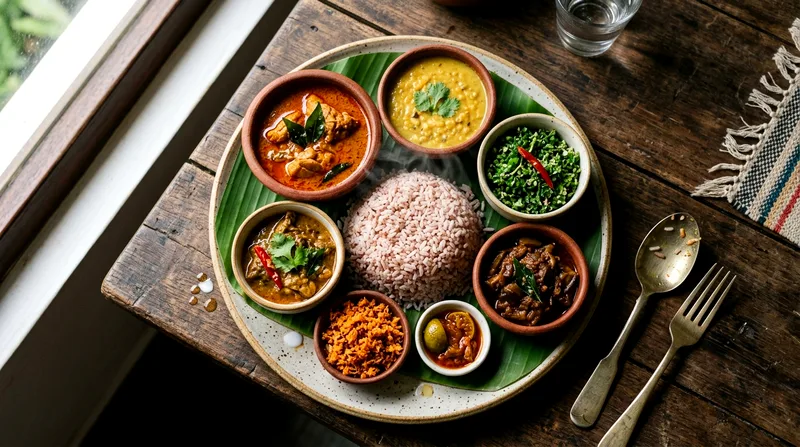
First-time visitors to Sri Lanka get the most out of a home-kitchen class early in their trip — ideally within the first four or five days, in Kandy or Ella, before the dishes you've eaten in restaurants start to blur together. You'll learn why rice and curry isn't one dish but six or seven small ones served together, and that distinction alone changes how you order food for the rest of the trip.
Couples tend to enjoy classes pitched as semi-private, where you cook as a pair or alongside one other couple rather than in a crowd. It's a better date activity than a demonstration, and most hosts build in a glass of king coconut water or ginger tea while you wait for curries to simmer.
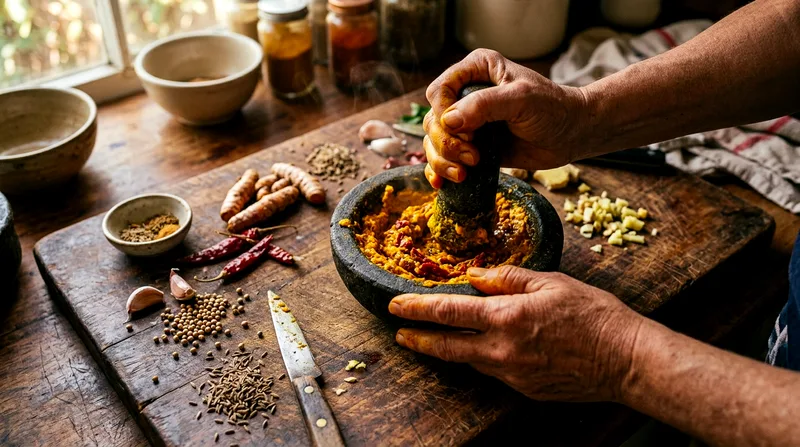
Families with children aged roughly eight and up generally do fine, provided the host confirms kid-friendly tasks like rolling string hoppers or pounding spices rather than handling the stovetop. Ask this directly when booking — don't assume.
Vegetarians and food-focused travelers
Sri Lankan food is one of the easiest cuisines in Asia for vegetarians, since a traditional rice-and-curry spread is built around five or six vegetable curries anyway — jackfruit, pumpkin, beetroot, dhal, okra — with fish or chicken as an optional extra rather than the centerpiece. Vegans should still confirm in advance that the host doesn't use ghee or add dried fish (Maldive fish) to sambols and tempering, since that's standard in many households and easy to miss if you don't ask.
Food-focused travelers — the kind who'd also book a street food tour in Bangkok or a thali-making session in Kerala — should prioritize market-to-table classes over fixed-ingredient ones. Picking your own chilies, drumstick and fresh turmeric root at a local market and asking the vendor questions beats being handed a pre-measured basket. It's slower, yes, sometimes by an hour, but it's the difference between a cooking class and a cooking-and-shopping lesson in local food culture.
Main Types of Sri Lankan Cooking Class
Most Sri Lanka cooking classes fall into two overlapping categories: where they happen (home kitchen versus a market-to-table format) and how they're structured (private versus group). Understanding both axes helps you filter listings on TripAdvisor, WithLocals or TravelingSpoon quickly instead of reading twenty near-identical descriptions.
Home-kitchen vs market-to-table classes
A home-kitchen class happens in someone's actual house — often a family-run guesthouse or a host's private home, sometimes with an outdoor cooking area shaded by a tin roof. You'll usually prep five to seven dishes: a protein curry, two or three vegetable curries, dhal, sambol and rice or string hoppers. These classes run on personal recipes passed down rather than restaurant standardization, which is exactly their appeal — and also why quality varies host to host. Check recent reviews specifically mentioning the cooking portion, not just the meal.
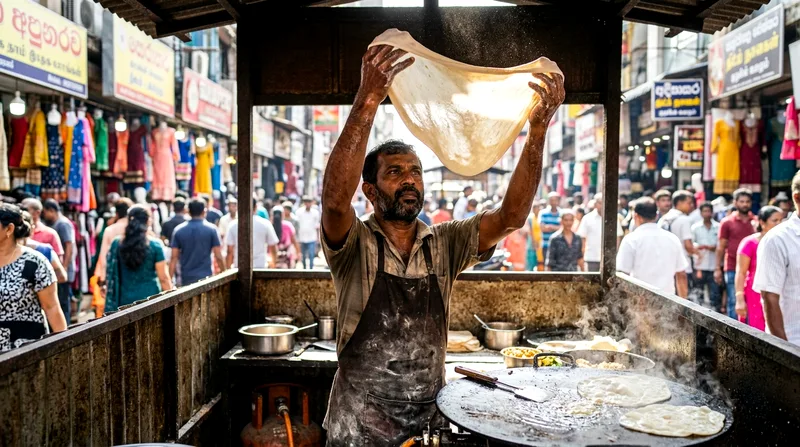
A market-to-table class adds an hour or so at the front: a guide walks you through a local market — Galle's daily market near the bus stand, or smaller town markets near Ella — explaining spices, produce and how to pick a ripe jackfruit or good curry leaves. This format suits travelers who want context, not just technique. The trade-off is time: expect three to four hours total versus two to two-and-a-half for a straightforward home-kitchen session, and markets are obviously busiest and most interesting before 9am.
Private vs group classes compared
Private classes — just you, your travel companions and the host — cost more per person but give you a real hands-on role throughout, let you set the spice level honestly, and work far better for dietary restrictions since the whole menu bends around you. They're the better choice for couples, small families and anyone with allergies serious enough that a shared kitchen with other strangers' preferences feels risky.
Group classes, often capped around six to ten participants, cost less per head and suit solo travelers who want to meet other visitors — which matters if you're traveling alone through Ella or Mirissa and want an evening that isn't eaten alone. The downside is obvious: with ten people around one stove, you might grate coconut and stir one pot rather than cooking the full spread yourself. If a listing doesn't specify group size, assume it's larger than you'd like and ask directly before paying.
Cooking Classes by Region
Where you take your Sri Lanka cooking class matters almost as much as the format. Ella, Kandy and Galle each offer a genuinely different experience, shaped by local produce, host style and how touristy the area has become.
Home-kitchen classes in Ella and Kandy generally offer smaller groups and more hands-on cooking than larger, more commercial setups on the south coast.
Sri Lanka cooking class types and regions compared
| Class type/region | Typical setting | Group size | Market visit | Hands-on level | Best for |
|---|---|---|---|---|---|
| Ella home-kitchen | Guesthouse or family home | Small (2-8) | Rarely included | High | Couples, first-timers, solo travelers |
| Kandy home-kitchen | Home or small training kitchen | Small to medium (4-10) | Sometimes | Medium to high | Culture-focused travelers, families |
| Galle market-to-table | Market plus home or studio | Medium (6-12) | Usually included | Medium | Food-focused travelers, couples |
| Colombo/hotel-style | Commercial training kitchen | Large (10-20+) | Rarely | Low to medium | Short stopovers, groups on a schedule |
| Private class (any region) | Host's home | 1-4 | Sometimes, on request | Very high | Dietary needs, families, special occasions |
Group sizes and inclusions vary by host; always confirm market visits and hands-on format before booking.
Ella and Kandy hill-country classes
Ella cooking classes are usually small, home-based affairs run out of guesthouses on the hillsides around town, often with views toward Ella Rock or the Nine Arches Bridge thrown in as a bonus. Because Ella sits at altitude, you'll see more leeks, carrots and cooler-climate vegetables worked into curries than you would on the coast — a genuine regional distinction, not a gimmick. Group sizes here tend to run smaller than in bigger towns, simply because guesthouse kitchens are small, which works in your favor.
Kandy cooking classes sit closer to Sri Lanka's cultural core, and some hosts build in context about Kandyan cuisine specifically — milk rice, lamprais (a Dutch Burgher dish worth knowing about), and sweets like kokis. Kandy is also a reasonable base if you're combining a cooking class with a visit to the Temple of the Tooth or the Royal Botanical Gardens at Peradeniya, since most classes run a half-day and leave the rest of your day free. One caution: Kandy sees heavier tourist traffic than Ella, so double-check whether a class is marketed as "home cooking" but actually runs out of a commercial training kitchen — the atmosphere is noticeably different.
Galle and the south coast classes
Galle cooking classes lean coastal and seafood-heavy — expect fish ambul thiyal (a sour, dry fish curry), prawn curries and more coconut-milk-based preparations than you'd find inland. Several classes here combine well with a Galle Fort walking tour earlier in the day, since the fort area and the main market sit close together. If you're staying near Mirissa for whale watching or surfing, factor in a 45-minute to one-hour transfer each way to reach a Galle-based class, which some hosts include and others don't.
The south coast is Sri Lanka's most internationally visited stretch, and that cuts both ways for cooking classes: you'll find more English-fluent hosts and slicker booking processes, but also more classes that feel designed for high turnover rather than a genuine home visit. If authenticity matters more to you than convenience, read reviews carefully for mentions of "actual home" versus "cooking studio," and don't assume a higher price guarantees the former.
What to Look for When Booking
Listings on TripAdvisor, WithLocals and TravelingSpoon describe Sri Lanka cooking classes in similar language, so you need to read past the marketing copy to the specifics that actually determine whether you'll enjoy it.
Inclusions, dishes taught and meal tasting
Check exactly how many dishes you'll cook, not just eat. A strong class has you actively preparing at least four or five dishes — not watching the host make three while you chop one vegetable. Look for specifics in the listing: "you'll learn dhal curry, pol sambol, beetroot curry, deviled chicken and plain rice" tells you far more than "traditional Sri Lankan dishes."
Confirm the meal is a full sit-down tasting of everything cooked, served family-style, rather than a small sample plate. Most legitimate classes end this way, and it's usually the best meal of the day — but a few budget options cut it short. Also check whether non-alcoholic drinks (king coconut, tea) are included or extra, and whether the price covers a printed recipe card to take home, which many hosts throw in without charging more.
Group size, dietary options and cancellation terms
Ask for the maximum group size in writing, not just "small groups" — that phrase gets stretched to mean fifteen people in some listings. Anything over ten people on one stove usually means you're cooking less and watching more.
For dietary needs, message the host directly before booking rather than relying on a generic "vegetarian options available" tag — confirm they can genuinely keep dishes vegan, gluten-free or nut-free, since cross-contamination in a home kitchen with one stove is a real risk, not a formality. Finally, check the cancellation policy: hill-country classes in Ella and Kandu are sometimes affected by heavy rain that makes outdoor cooking areas unusable, so a host offering a free reschedule rather than a strict no-refund policy is the safer bet. Compare current availability and reviews for a few hosts in your region before you commit.
When to Book Your Class
Timing affects both what you'll cook and how easily you'll fit a class into a packed Sri Lanka itinerary.
Seasonal ingredients and weather
Sri Lanka's two monsoon systems mean the south coast (Galle, Mirissa) is driest roughly December to March, while the hill country and east can stay drier during the mid-year months. Jackfruit season runs roughly March to July, so classes during those months are more likely to teach jackfruit curry, a dish worth prioritizing if you haven't tried it. Mango, papaya and king coconut are available most of the year, which keeps sambols and drinks consistent regardless of when you visit.
Rain doesn't usually cancel classes outright since most cooking happens under cover, but outdoor terrace setups in Ella can get disrupted during heavy downpours between October and January. If you're traveling during that window, ask whether the host has an indoor backup space.
Booking lead time and fitting classes into your route
Book a cooking class three to five days ahead if you want a specific date and a smaller group size — popular hosts in Ella and Galle can fill up during peak season (December to March, and again in July-August). Same-day or next-day booking is often possible outside peak months, but you'll have less choice over private versus group format.
Fit the class into a travel day rather than a sightseeing day. A Kandy class pairs naturally with a day that also includes the Temple of the Tooth or a walk around Kandy Lake, since both wind down by early evening. In Ella, slot a class in on a day you're not hiking Little Adam's Peak or Ella Rock — three to four hours of cooking after a strenuous morning hike makes for a long day. On the south coast, pair a Galle class with a half-day Galle Fort walk rather than trying to combine it with a full day trip to Sigiriya, which is roughly four hours away by road and deserves its own day.
Frequently asked questions
What is included in a Sri Lankan cooking class?
Most classes include hands-on preparation of four to seven dishes — typically a protein curry, two or three vegetable curries, dhal, coconut sambol and rice or string hoppers — followed by a full sit-down meal of everything cooked. Many also include a non-alcoholic drink like king coconut water, and some throw in a printed recipe card. Market-to-table versions add a guided visit to a local market beforehand; confirm this is included, since some listings mention it loosely without actually scheduling it.
Are Sri Lankan cooking classes private or group-based?
Both formats exist in every region. Private classes, usually just you and your travel companions with the host, cost more per person but give you a fully hands-on role and flexible dietary handling. Group classes, often six to ten people, cost less and suit solo travelers wanting company, but with larger groups you may end up doing one task — like grating coconut — rather than cooking the whole spread yourself.
What traditional dishes do you learn to cook?
Expect core Sri Lankan dishes: pol sambol (coconut relish), dhal curry, a vegetable curry like pumpkin or beetroot, deviled chicken or fish ambul thiyal on the coast, and rice or string hoppers. Hill-country classes in Ella and Kandy sometimes include milk rice or kokis sweets, while Galle classes lean toward fish and prawn curries given the coastal location and easy market access to fresh seafood.
Are vegetarian cooking classes available in Sri Lanka?
Yes — Sri Lankan rice-and-curry is naturally vegetable-heavy, so most hosts can run an entirely vegetarian class without much adjustment. Vegans should still confirm directly that the host skips ghee and dried Maldive fish, which are commonly used in tempering and sambols even in otherwise vegetable-based dishes. Message the host before booking rather than trusting a generic "vegetarian-friendly" tag.
How long does a typical cooking class last?
A standard home-kitchen class runs two to two-and-a-half hours, covering preparation and the final meal. Market-to-table classes run longer, typically three to four hours once you add the market visit, travel time and a slower-paced shopping walkthrough. Private classes can sometimes run a bit longer since the pace adjusts to you rather than a fixed group schedule.