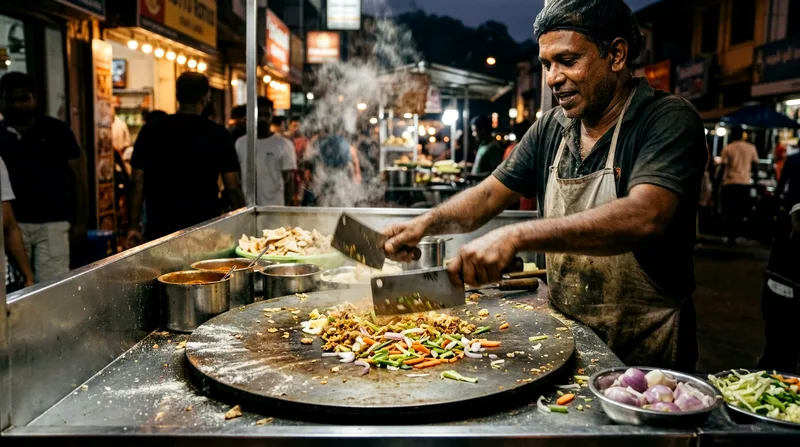
Sri Lanka Daily Travel Budget: Real Costs and How to Save
See a realistic Sri Lanka daily travel budget at three spending levels, where the money actually goes, where foreigners overpay, and how to save.
10 min read · 20 Oct 2026
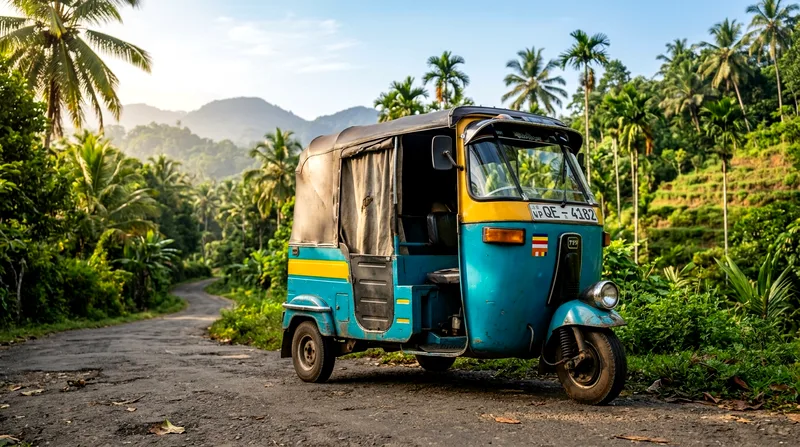
Tours & activities
Compare Sri Lanka tour packages by route length, driver-guide style and budget. Find the right private or group tour for backpackers, couples, families and seniors.
Sri Lanka tour packages aren't one product — they range from a two-person jeep and a driver-guide doing a loose 10-day loop, to a 40-seat coach ticking off eight cities in six days. The right one depends less on budget than on how you like to travel, so start there before you start comparing prices.
The island is small on a map but slow in practice. Mountain roads through the hill country rarely allow more than 40 km/h, and the Colombo–Kandy–Sigiriya triangle alone eats three to four hours of driving a day if you're moving between bases. A package that looks efficient on paper — say, Colombo, Sigiriya, Kandy, Ella and Galle in seven days — will feel rushed on the ground, with most days built around transit rather than time at each site. If you've only got a week, you're better off picking two regions properly (Cultural Triangle plus hill country, or hill country plus south coast) than trying to ring the whole country.
Think about what you actually want from the trip, not what the brochure photos show. Someone wanting temple visits and jeep safaris has very different needs from someone wanting to surf at Weligama for ten days with one or two day trips. Sri Lanka Tourism Development Authority data and most ground operators agree the island suits a minimum of 8-10 days to cover culture, hill country and coast without feeling like a transit tour — shorter trips work better focused on one or two regions.
Solo travelers have two realistic options: join a small group tour (typically 6-16 people) or book a private driver-guide alone, which costs more per person than splitting it with a partner but still isn't as expensive as many assume, since the driver's fee is fixed regardless of passenger count — it just isn't split. Backpackers on tighter budgets usually skip packaged tours altogether and travel by train and intercity bus between Kandy, Ella and the south coast, booking local guides only for specific activities like a Yala safari or a Sigiriya climb. This is genuinely the cheapest way to see the island and it's safe to do solo — Sri Lanka has a well-worn backpacker trail, especially through Ella and Mirissa, with hostels generating easy group formation for day trips. The trade-off is time lost to train bookings (reserved seats on the Kandy-Ella line sell out weeks ahead in high season) and the need to plan your own logistics.
Couples get the best value from private tours. Splitting a driver-guide and vehicle two ways brings the per-person cost close to a mid-range group tour, while keeping full control over pace, meal stops and how long you linger at Galle Fort or a tea estate near Nuwara Eliya. Families with children should prioritize private over group for one practical reason: child car seats, nap schedules and bathroom stops don't mix well with a fixed coach itinerary. Ask any operator directly whether child seats are provided — many aren't, and you may need to bring your own or request one in advance. Seniors and travelers with mobility concerns should favor private tours too, specifically for the ability to skip long staircases (Sigiriya's climb involves roughly 1,200 steps with no shade) in favor of alternatives like Pidurangala Rock's shorter, if rougher, climb, or simply more time at ground-level sites like Dambulla's cave temples.
Once you know your travel style, the packages themselves fall into a handful of categories, and the labels matter less than what's actually included on each day.
Private driver-guide tours offer the most flexibility, while small group and budget coach tours trade flexibility for lower per-person cost.
Sri Lanka tour package categories compared: pace, flexibility and who they suit
| Tour Category | Typical Pace | Flexibility | Best For |
|---|---|---|---|
| Private driver-guide | Moderate, adjustable daily | High — route and stops can change | Couples, families, seniors |
| Small group tour | Fixed, moderate-fast | Low — set departure and stops | Solo travelers, budget couples |
| Budget package | Fast, more stops per day | Low to moderate | Backpackers, younger travelers |
| Luxury private | Slow, fewer stops per day | High | Honeymooners, special occasions |
| Family-focused private | Slow, built-in rest breaks | High | Families with young children |
| Senior-friendly private | Slow, minimal walking/climbing | High | Seniors, mobility-limited travelers |
Typical patterns based on common package structures; always confirm pace and flexibility with the operator before booking.
Private driver-guide tours are the dominant format for Sri Lanka tour packages aimed at couples, families and seniors, and for good reason. You get a dedicated vehicle (usually an air-conditioned car or van depending on group size), a driver who often doubles as an informal guide, and a route that can be adjusted mid-trip — add a day in Ella if the weather's good, skip a stop if everyone's tired. The driver typically arranges accommodation recommendations too, though you should book and pay for lodging yourself to keep that cost transparent.
Small group tours (shared coach or van, fixed departure dates, a dedicated tour leader) suit solo travelers and budget-conscious couples who want the social element and don't mind a fixed schedule. They're usually cheaper per person than private tours and include a tour leader with destination knowledge beyond what a driver provides. The downside is obvious: you move at the group's pace, meal stops are generic, and if half the group wants to linger at a tea factory and you don't, you're stuck.
Fully independent group coach tours — the large-bus, many-stops format — exist but suit a narrower audience: older travelers who want everything organized and don't mind less flexibility, or people doing Sri Lanka as one stop on a wider South Asia itinerary.
Budget packages typically use guesthouses or 2-3 star hotels, a shared or basic private vehicle, and fewer included meals (often breakfast only). They work fine for travelers who prioritize seeing more places over comfort at each one. Mid-range packages add 3-4 star hotels, more included meals, and usually a better vehicle with air conditioning guaranteed rather than assumed. Luxury packages shift the experience entirely — think boutique or heritage properties (colonial-era hotels in Galle Fort, tea estate bungalows near Nuwara Eliya, beach villas at Bentota), private chef options, and a driver-guide with more formal training. The jump from mid-range to luxury in Sri Lanka buys you noticeably better accommodation more than it buys you a different itinerary — the roads and drive times are identical whichever tier you book. If you're deciding where to spend extra money, better hotels in the hill country and south coast matter more than upgrading the vehicle.
Trip length should be chosen around regions, not days. A 5-7 day package realistically covers one core region plus a short extension — Cultural Triangle plus Kandy, for instance. An 8-10 day package, the most commonly booked length for Sri Lanka tours packages aimed at first-timers, covers the classic loop: Colombo, Sigiriya, Kandy, the hill country around Ella, and a couple of nights on the south coast at Galle or Bentota. Anything beyond 12 days allows you to add Jaffna in the north — a genuinely different experience, Tamil and Hindu influenced, with a slower tourist infrastructure — or extend wildlife time at Yala and Wilpattu.
The Cultural Triangle — Sigiriya, Dambulla, Polonnaruwa, Anuradhapura — anchors almost every standard itinerary and needs a minimum of two full days to see properly. Kandy adds the Temple of the Tooth and is also the usual gateway to the hill country train. The Kandy to Ella train, crossing tea plantations and the Nine Arch Bridge, is the single most photographed leg of any Sri Lanka tour and genuinely lives up to it, but reserved second-class seats sell out fast in peak months (December-March), so this is one leg worth booking weeks ahead regardless of whether the rest of your trip is packaged or independent. Ella itself suits one or two nights for hiking Little Adam's Peak or Ella Rock.
South coast beach stops — Bentota, Galle, Mirissa, Weligama — work as a tail end to most itineraries and suit two to four nights depending on whether you're there to relax or to surf. Yala National Park is the default safari add-on for leopard sightings, though Wilpattu is a quieter, less-crowded alternative worth asking about if your dates allow — it's larger and sees far fewer jeeps per sighting, a genuine advantage if you dislike the vehicle pile-ups Yala is known for at peak season. Whale watching off Mirissa (roughly December to April) is sometimes bundled into south coast packages as an early-morning add-on — worth confirming whether it's included or extra before you sign off on an itinerary.
This is where most people either save themselves a headache or walk into one. Read the fine print on any Sri Lanka tour package before paying a deposit, not after.
Check exactly which meals are included — "half board" usually means breakfast and dinner, leaving lunch as an out-of-pocket cost that adds up over 10 days. Entry tickets to major sites are a common gray area: Sigiriya's entrance fee alone is a significant cost for foreign visitors (priced in USD, payable in local currency), and some budget packages exclude site entries entirely to keep the headline price low. Ask specifically whether Sigiriya, Yala safari fees and the Temple of the Tooth are included or additional. For group tours, ask the maximum group size — a "small group" marketed tour can still mean 20 people on a 25-seat coach, which changes the experience considerably from a 10-person van.
Look for the cancellation window and whether it's tiered (full refund 30+ days out, partial refund inside 14 days, for example) — this varies a lot between operators and isn't standardized industry-wide in Sri Lanka the way it might be in Europe. Check what on-trip support looks like if something goes wrong: is there a local phone number, is the driver-guide empowered to rearrange the day if a site is closed or weather turns, and is there a backup vehicle policy if yours breaks down. This matters more in Sri Lanka than in, say, Thailand or Bali, where tourist infrastructure for rapid fixes is denser — rural roads near Yala or Wilpattu can mean a longer wait for a replacement vehicle. Always compare current prices and recent reviews for specific packages before booking, since quality varies more by individual driver-guide than by company name.
Book your core package 2-3 months ahead for travel in the December-March peak season, when hill country hotels and the Kandy-Ella train fill up early. Outside peak months you can often book 3-4 weeks out without trouble, and prices for accommodation (though not usually the package itself, which is often fixed regardless of season) tend to be lower. If flexibility matters more to you than guaranteed availability, shoulder months — April, September — offer a reasonable compromise: fewer crowds at Sigiriya and Galle Fort, and rates that haven't hit peak.
Sri Lanka has two monsoon systems, which is the single most important climate fact for planning a tour, and one many European travelers get wrong because they assume one wet season covers the whole island. The southwest monsoon (roughly May-September) affects the west and south coasts — Bentota, Galle, Mirissa — and the hill country. The northeast monsoon (roughly October-January) affects the east coast and Jaffna. This means you can often build a package around whichever coast is dry: a December trip favors the south and west, while a July-August trip can shift beach time to Trincomalee or Arugam Bay on the east coast instead. Compared to Kerala, where the monsoon is more singular and disruptive across the whole state, Sri Lanka's split pattern actually gives tour planners more year-round flexibility than you'd expect from an island this size.
Eight to twelve days is the realistic range for covering the Cultural Triangle, hill country and south coast without feeling rushed. Five to seven days works if you focus on just two regions — for example, skip the south coast and spend longer in Kandy and Ella. Anything under five days should stay within one region, since road travel between regions eats hours you won't get back.
Most include a private vehicle or coach seat, a driver or driver-guide, accommodation, and breakfast daily. Entry fees to sites like Sigiriya, safari jeep costs at Yala, and lunch/dinner vary by package and are often excluded from budget tiers. Always get a written list of inclusions before paying, since "all-inclusive" marketing language isn't standardized.
December through March suits the west and south coasts and the Cultural Triangle, avoiding the southwest monsoon. If you're prioritizing the east coast (Trincomalee, Arugam Bay) instead, May through September is drier there due to the opposite monsoon pattern. February and March generally offer the best balance of dry weather and manageable crowds across most regions.
The gap is mostly in accommodation and vehicle comfort, not itinerary content — both will likely visit the same sites. Luxury packages use boutique or heritage hotels, include more meals, and often pair you with a more experienced, English-fluent driver-guide. Budget packages use guesthouses, fewer included meals, and a more basic vehicle, which is fine if your priority is seeing more places rather than high comfort between them.
For couples, families and seniors, yes — the flexibility to adjust pace, skip tiring climbs, or add a stop usually outweighs the cost difference versus a group tour, especially once split between two or more people. Solo travelers on a tight budget are the main exception, since a private driver-guide costs more per person alone than joining a small group tour or traveling independently by train and bus.
See a realistic Sri Lanka daily travel budget at three spending levels, where the money actually goes, where foreigners overpay, and how to save.
10 min read · 20 Oct 2026
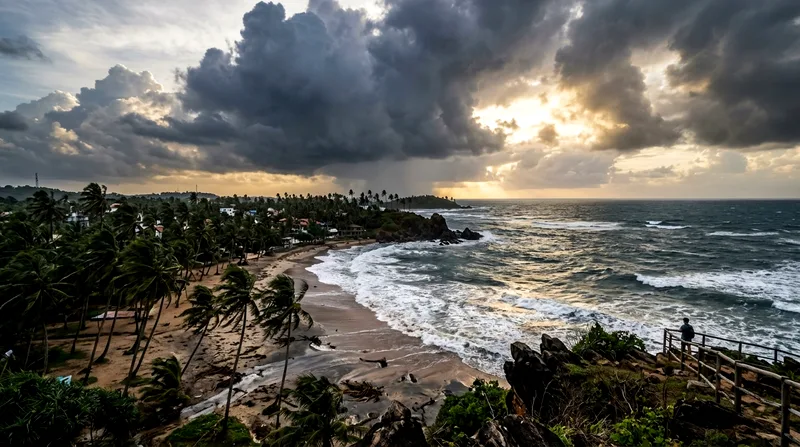
Sri Lanka best time to visit by month: how two monsoons split the coasts, when to book safaris, surf, beaches and hill country tours.
11 min read · 20 Oct 2026
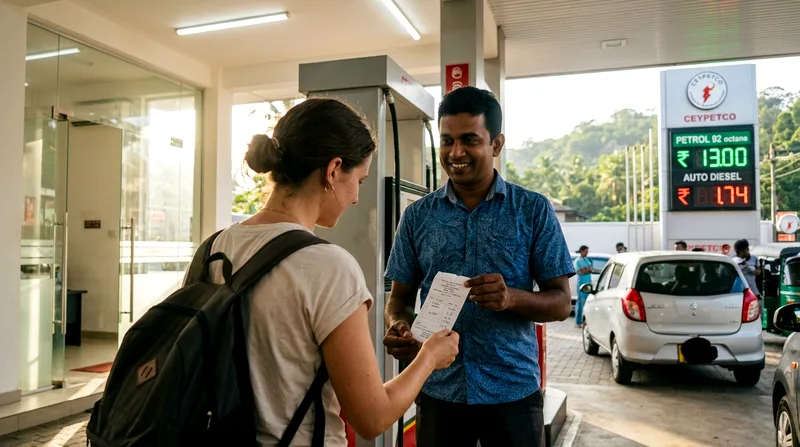
What private tours with a driver in Sri Lanka really cost, what drives the price, and how to cut costs without cutting corners or paying commissions.
5 min read · 20 Oct 2026
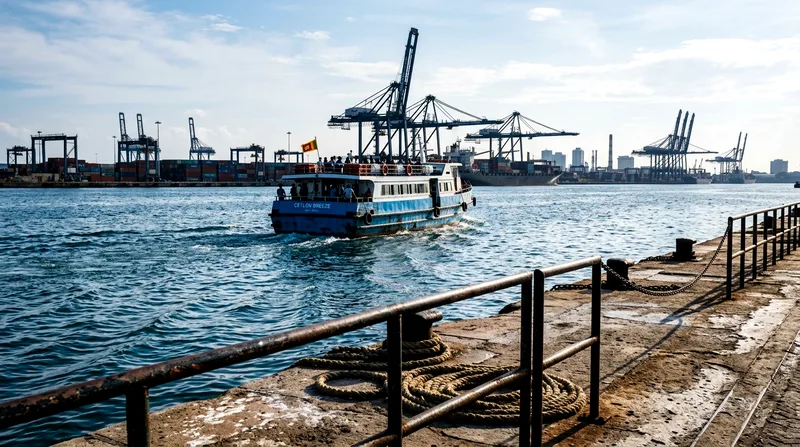
Compare Sri Lanka ship tour packages — cruises calling at Colombo, Hambantota and Trincomalee, ferry options, shore time, and how to book without surprises.
10 min read · 20 Oct 2026
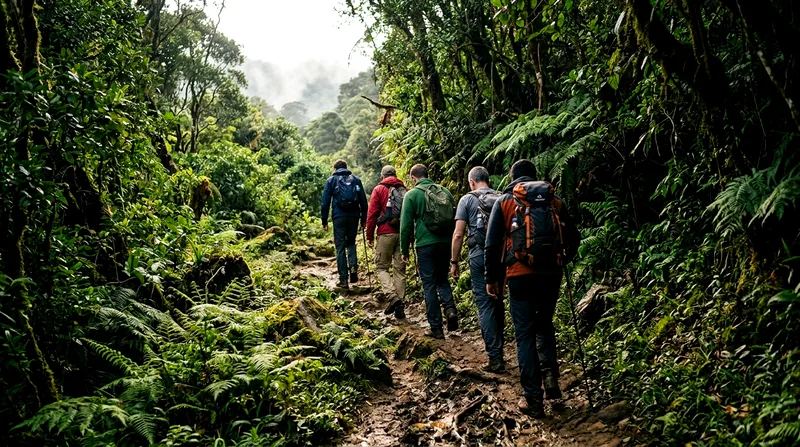
Compare Sri Lanka private tours and group tours on cost per person, flexibility, social life and pace, with clear picks for solo travellers and families.
10 min read · 20 Oct 2026
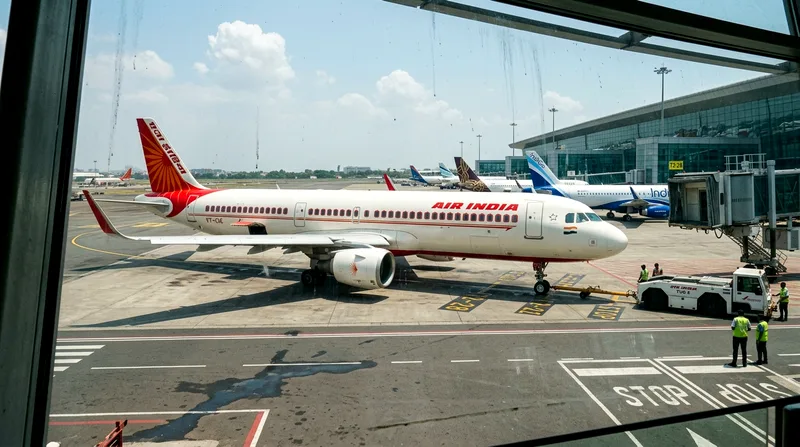
Compare Sri Lanka tours from India: Ramayana trail, cultural, beach and family packages, with rupee price guidance, departure-city tips and booking advice.
11 min read · 20 Oct 2026
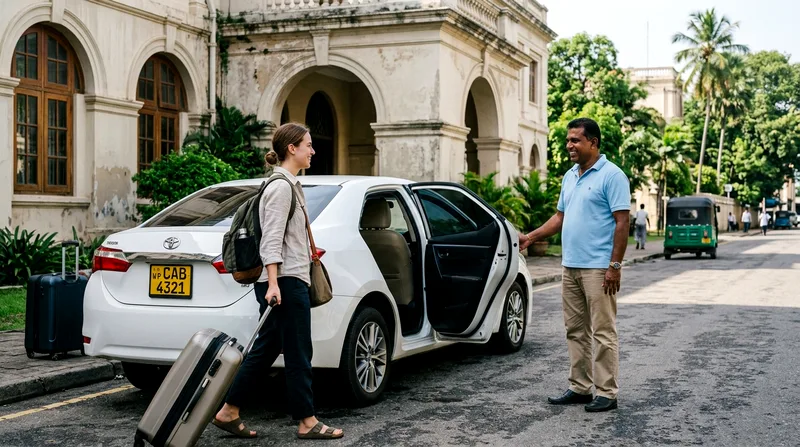
Compare private tours with a driver in Sri Lanka: chauffeur-guide vs driver-only, setups for families, couples and seniors, plus what to check before booking.
10 min read · 20 Oct 2026
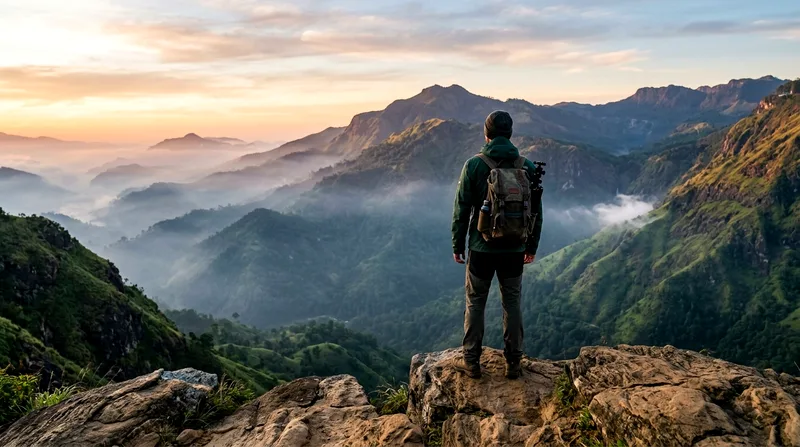
Plan a Sri Lanka itinerary 5 days long with two tight routes: cultural loop via Sigiriya and Kandy, or coastal run to Galle and Mirissa.
11 min read · 20 Oct 2026
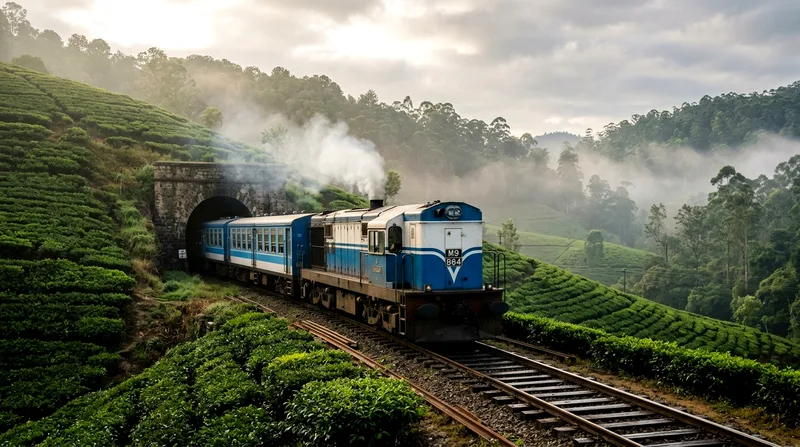
Plan one week in Sri Lanka with a realistic 7 day itinerary through Sigiriya, Kandy, Ella and the south coast, plus what to pre-book and how to travel.
11 min read · 20 Oct 2026
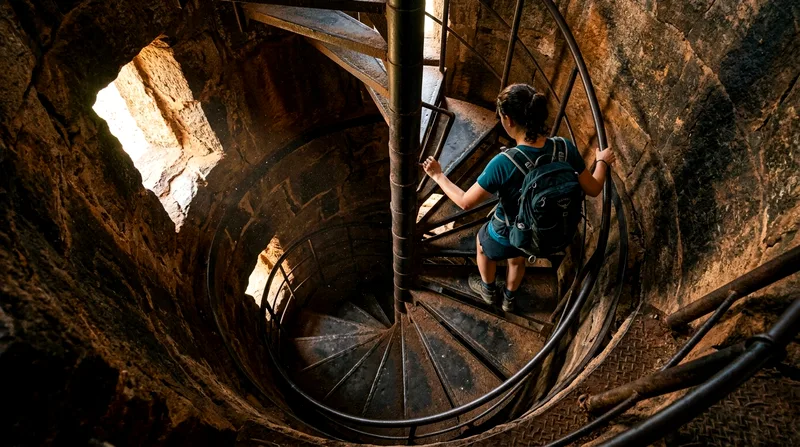
Plan a Sri Lanka itinerary for 10 days: Sigiriya, Kandy, Ella, a Yala or Udawalawe safari and a south coast beach stop, day by day.
12 min read · 20 Oct 2026