Sri Lanka East Coast vs South Coast: Which to Book
East coast or south coast in Sri Lanka? Compare seasons, beaches, surf, crowds, access and value to book the beach region that is sunny when you travel.
10 min read · 20 Oct 2026
Sri Lanka Beaches
Compare Sri Lanka beaches by coast and season. Find the best spots for surfing, swimming, fishing and family stays, plus water activities worth booking.
Sri Lanka is a small island with two separate monsoon systems, and that single fact decides which beach you should book. The southwest monsoon hits between roughly May and September, pounding the south and west coasts with wind and swell while the east coast sits calm and dry. The northeast monsoon reverses this from around October to January, bringing rain to the east while the south and west settle into their best months. Pick the wrong coast for the wrong month and you'll spend your trip watching grey surf from a hotel balcony instead of swimming.
This isn't a minor scheduling detail — it's the single biggest planning decision for any Sri Lanka beach trip. Travelers used to Thailand's more forgiving shoulder seasons or Bali's year-round surf on one side of the island often assume Sri Lanka works the same way. It doesn't, not really. The two coasts are close enough to drive between in a day but behave like separate countries weather-wise for half the year.
The right Sri Lanka beach depends more on the month you're traveling than on any single spot's reputation.
Sri Lanka beaches compared by coast, season and best use
| Beach/Area | Coast | Best Months | Best For |
|---|---|---|---|
| Unawatuna | South | Dec–Mar | Swimming, beginner surf |
| Mirissa | South | Dec–Mar | Whale watching, swimming |
| Weligama | South | Nov–Apr | Beginner surf lessons |
| Hikkaduwa | South/West | Dec–Mar | Snorkelling, nightlife |
| Bentota | West | Nov–Apr | Family resorts, water sports |
| Arugam Bay | East | May–Sep | Experienced surf, point breaks |
| Trincomalee | East | May–Sep | Swimming, diving, quiet beaches |
Typical seasonal patterns; conditions vary year to year, so check recent forecasts before you book accommodation or surf trips.
The Southern Province and Western Province coasts — think Unawatuna, Mirissa, Weligama, Bentota, Hikkaduwa — are at their best from December through March, with November and April as decent shoulder months when crowds thin and prices drop. Seas are calm, skies are mostly clear, and this stretch holds the bulk of Sri Lanka's beach infrastructure: guesthouses, dive shops, surf camps, whale-watching boats. The trade-off is that December to February is also peak season, so expect higher room rates and more people on the sand at Mirissa and Unawatuna specifically. If you want the same coast with fewer people, aim for early November or late April and accept a slightly higher chance of a passing shower.
Flip the calendar and the Eastern Province takes over. Trincomalee and Arugam Bay run calm and dry from roughly May to September, exactly when the south coast is choppy and wet. This is the quieter option for travelers who dislike crowds — Trincomalee in particular still feels under-visited compared with Mirissa, even in high season. Arugam Bay gets busier through July and August as the surf season peaks, but it's still a fraction of the density you'd find on Bali's Kuta or Thailand's Phuket beaches at their busiest. The east coast's infrastructure is thinner — fewer high-end resorts, simpler guesthouses — which some travelers find a relief and others find limiting if they want spa days and beach clubs.
Sri Lanka surfing splits cleanly by skill level and by coast, and conflating the two is the most common mistake first-time surf travelers make here. The south coast, especially Weligama, built its reputation on long, forgiving beach breaks ideal for learning. The east coast, led by Arugam Bay, is a different animal — proper point breaks that reward experience and punish overconfidence. Compared with Bali's Uluwatu or the reef breaks of southern Thailand, Sri Lanka's waves are generally gentler and more consistent for beginners, but the east coast's best breaks can hold their own against anywhere in the region during peak season.
Weligama Bay is the default answer for anyone starting out — a wide, sandy-bottomed bay with small, slow-rolling waves and a dozen-plus surf schools lined along the beach road. Lessons typically run as half-day or multi-day packages, and most schools rent boards by the hour or day if you just want to practice solo. Hikkaduwa also has a gentler inside reef section good for beginners, though the main break further out is for intermediate surfers. If you're nervous about crowds, go early morning — Weligama fills up with both learners and instructors by mid-morning, and boards colliding is a real hazard, not a hypothetical one.
Arugam Bay's Main Point is the name every serious surfer in Sri Lanka knows — a long right-hand point break that works best from June through August, pulling in surfers who'd otherwise be looking at Indonesia or the Maldives' outer atolls. Nearby breaks like Peanut Farm and Whiskey Point offer alternatives when Main Point gets crowded, which it does during peak months. On the south coast, Midigama (near Weligama) has several reef breaks — Lazy Left and Lazy Right among them — that are genuinely challenging and shallow enough to demand respect; reef cuts are common, so booties aren't a bad idea even if they feel unnecessary elsewhere.
Not every Sri Lanka beach is good for swimming, and this is where a lot of trip planning goes wrong. Some of the most photogenic stretches have real undertow and aren't where you want young children playing in the shallows. The better family bases are the ones with natural protection — a reef, a headland, a lagoon mouth — that knocks down the swell before it reaches the sand.
Unawatuna's horseshoe-shaped bay is protected by a reef and headlands on both sides, making it one of the more reliably calm swimming spots on the south coast outside monsoon months. Bentota, further up the west coast, combines a sheltered beach with a river mouth and lagoon system, which is why it's long been a favorite for package resorts aimed at families and couples who want calm water without hunting for it. Trincomalee's Nilaveli and Uppuveli beaches, on the east coast during its calm season, offer similarly gentle, shallow entry points — arguably calmer than anything on the south coast even in peak season there.
For families who want space to set up for a full day — sandcastles, cricket, a shaded spot for a nap — wide flat beaches matter more than dramatic scenery. Bentota and Induruwa on the west coast both offer long, gently sloping sand with enough width that low tide doesn't crowd everyone against the tree line. Mirissa's main beach is attractive but narrower and busier with boat traffic headed out for whale watching trips, so it's less ideal for small children than its reputation suggests. If you're comparing this to Kerala's backwaters-adjacent beaches or Goa's party-beach stretches, Sri Lanka's family beaches tend to be quieter and less developed — a plus for some, a drawback if your kids want beachfront activity centers.
Fishing in Sri Lanka ranges from the postcard image of stilt fishermen to serious offshore sport fishing for marlin and sailfish, and the two barely overlap in terms of what you'd book or where you'd go. Anglers comparing Sri Lanka to Mauritius or the Maldives for sport fishing will find it cheaper and less exclusive, with a genuine local fishing culture still visible alongside the tourist-facing side.
The stilt fishermen near Koggala and Ahangama, on the south coast, are the image most people associate with Sri Lankan fishing — men perched on single poles driven into the reef, rod in hand. It's worth knowing this is now largely performed for tourist photographs rather than practiced as serious daily fishing, and operators typically charge a small fee for photos. That doesn't make it worthless to see, but go in with realistic expectations rather than imagining an undisturbed slice of traditional life. Small-boat fishing — outrigger canoes heading out at dawn — is still genuinely active along most of the south and east coasts, visible early morning at places like Mirissa harbor.
Mirissa and Kalpitiya on the west coast are the main deep-sea fishing bases, with boats targeting yellowfin tuna, marlin, and sailfish from around November to April when seas are calmer. The east coast around Trincomalee offers a second season roughly May to September for the same reason its beaches are calmer then. Full-day sport fishing charters are the standard booking — half-day trips exist but offshore grounds are often a couple of hours out, so a full day gives better odds. Compare current boat tours and prices before you book, since availability and boat size vary a lot by operator and season.
Beyond lying on the sand, Sri Lanka's coastline supports a wider range of water activities than most first-time visitors expect — closer in variety to Thailand's Andaman coast than to a single-note beach destination. The gap is that booking infrastructure is less slick than Bali's; you'll often book through your guesthouse or a small local operator rather than a polished app, which isn't a problem but does mean asking around and checking reviews matters more.
Hikkaduwa's marine reserve is the easiest snorkeling spot to reach without a boat — just wade in from the beach — though coral coverage has declined over the decades and it's not comparable to the Maldives' reefs. Better diving is found around Trincomalee and the Pigeon Island area, with visibility generally improving during the east coast's calm season. Mirissa is the main hub for whale watching, with boats heading out roughly December through April chasing blue whales and sperm whales; trips run three to four hours typically, and mornings have calmer seas and better sighting odds than afternoon departures. Seasickness is common enough that it's worth taking precautions if you're prone to it.
Kalpitiya, on the northwest coast, is Sri Lanka's dedicated kitesurfing destination, with a reliable wind season from around May to September — conveniently overlapping with the east coast's calm swimming season, so the northwest and east can be combined in one trip. Bentota's river lagoon is a good, low-stakes spot for stand-up paddleboarding and kayaking, sheltered from ocean swell entirely. Boat trips — river safaris on the Bentota or Madu rivers, mangrove tours near Koggala — are a decent half-day break from beach time, particularly useful if you're traveling with children who've had enough sand for one day.
Sri Lanka doesn't have the lifeguard coverage or flag systems you'd find on a well-regulated European beach, and that's the single biggest safety gap worth knowing before you book anything. Some beaches are genuinely dangerous for casual swimmers even when they look calm.
Unawatuna and Bentota have some lifeguard presence during peak season, but coverage is inconsistent and shouldn't be relied on the way you might in Australia or parts of Europe. Rip currents are a real risk at many open beaches, including stretches near Mirissa and parts of the east coast outside the main sheltered bays. The safest approach is simple: ask locally before swimming anywhere unfamiliar, avoid swimming alone at quiet beaches, and treat any beach with visible strong wave action or a steep drop-off with caution regardless of how it looks. Children should stay in the clearly sheltered bays — Unawatuna, Bentota, Nilaveli — rather than open stretches.
The south coast is well served by the coastal railway from Colombo — a scenic, slow train to Galle, Weligama, or Mirissa that's become popular enough to get crowded in the observation carriages during peak months. The east coast requires more effort: Arugam Bay and Trincomalee are typically reached by road, five to seven hours from Colombo depending on traffic, or by domestic flight to Trincomalee's nearby airstrip when seasonal routes run. If you're short on time, that logistics gap is a real reason many first-time visitors default to the south coast even outside its best months — it's simply easier to reach and leave. For longer trips, splitting time between a south coast base and either Trincomalee or Arugam Bay gives a more complete picture of what Sri Lanka's beaches actually offer.
There's no single answer — it depends on the month. The south coast (Unawatuna, Mirissa, Weligama) is best from November to April and has the most infrastructure. The east coast (Arugam Bay, Trincomalee) is best from May to September and is quieter. For a first trip focused purely on swimming and convenience, the south coast in peak season is the easier choice.
Many are, but lifeguard coverage is patchy and rip currents are a genuine risk at open beaches. Sheltered bays like Unawatuna, Bentota and Nilaveli are safer bets for casual swimmers and children than exposed stretches near Mirissa or parts of the east coast. Ask locally about conditions before swimming anywhere unfamiliar — flags and warning signs aren't consistently used.
Yes, though the shade varies by coast. The south and west coasts tend toward pale gold rather than pure white, similar to much of Kerala's coastline. The east coast, particularly around Nilaveli and Pigeon Island near Trincomalee, has brighter, finer white sand closer to what you'd see in the Maldives, with clearer water during its calm season.
Most repeat visitors would name Unawatuna and Mirissa for swimming and whale watching, Weligama for learning to surf, Arugam Bay for experienced surf, and Trincomalee (including Nilaveli) for quiet, calm-water swimming and diving outside the south coast's peak crowds. Bentota deserves a mention too for families wanting resort-style ease with a sheltered lagoon.
For the south and west coasts, December through March is peak season with the calmest seas; November and April are decent, cheaper shoulder months. For the east coast, aim for May through September, when the south coast is rough and the east is calm and dry. Trying to do both coasts well in one visit usually means timing a trip around March to May or September to November transitions.
East coast or south coast in Sri Lanka? Compare seasons, beaches, surf, crowds, access and value to book the beach region that is sunny when you travel.
10 min read · 20 Oct 2026
Compare deep sea fishing charters in Sri Lanka from Mirissa, Negombo and Trincomalee. See target species, seasons and what a full-day boat should include.
10 min read · 20 Oct 2026
Find the best beaches for swimming in Sri Lanka: calm, sheltered bays, lifeguard tips, monsoon-season picks and rip current advice for families and swimmers.
9 min read · 20 Oct 2026
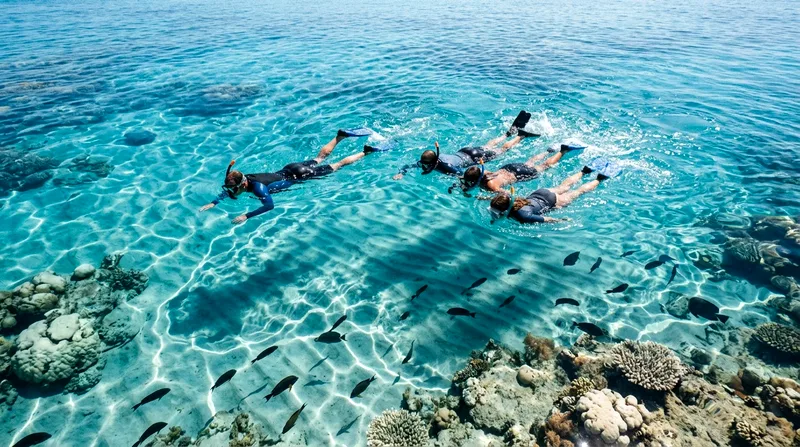
Compare Sri Lanka snorkeling tours by coast and season, from Hikkaduwa turtles to Pigeon Island reefs, with reef-safe booking tips for all swimmers.
10 min read · 20 Oct 2026
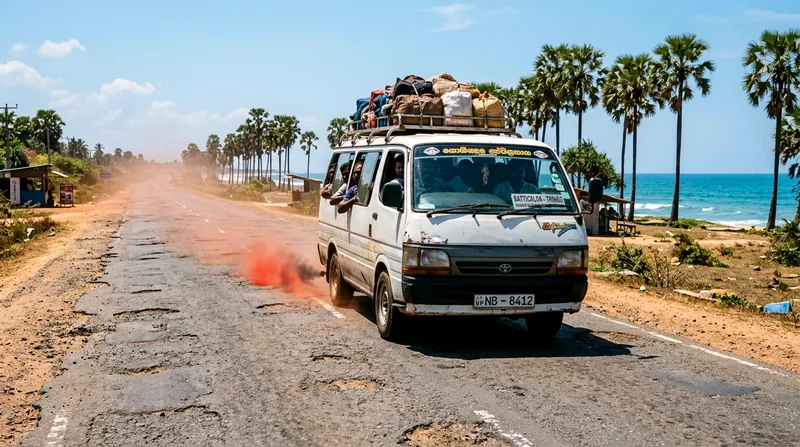
Sri Lanka how to get to Arugam Bay: compare a private driver, bus and domestic flight on time, cost level and comfort, with a verdict for surfers with boards.
10 min read · 20 Oct 2026
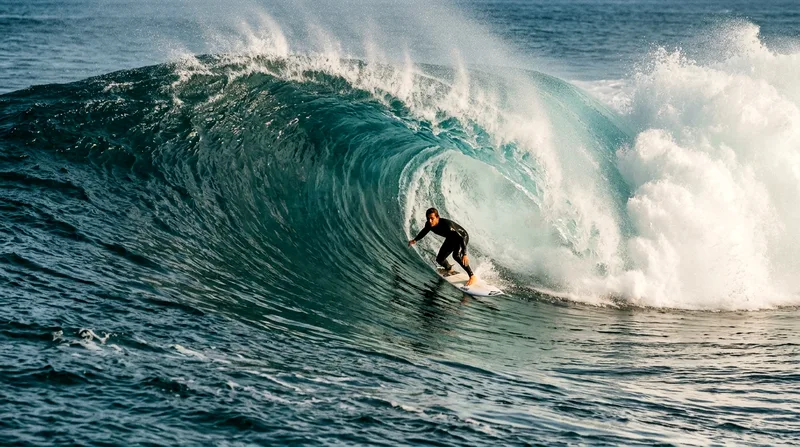
Compare Sri Lanka surfing options by skill level and season, from beginner surf camps in Weligama to Arugam Bay point breaks, plus how to book.
9 min read · 20 Oct 2026
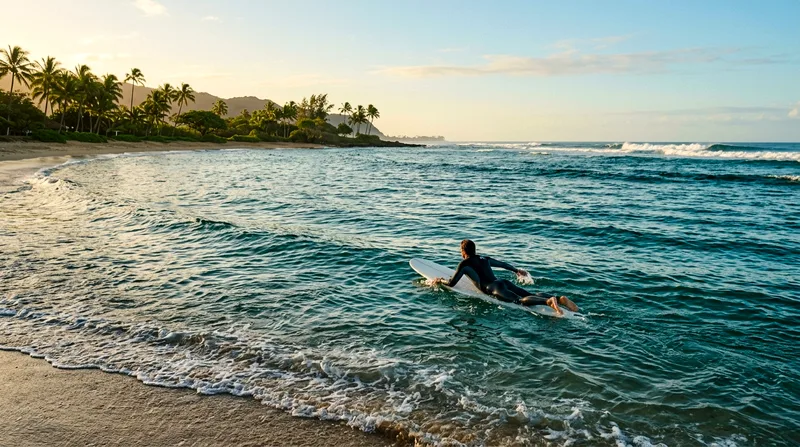
Planning weligama surf lessons? Compare group vs private coaching, see what a fair lesson includes, and learn how to book a certified instructor safely.
9 min read · 20 Oct 2026