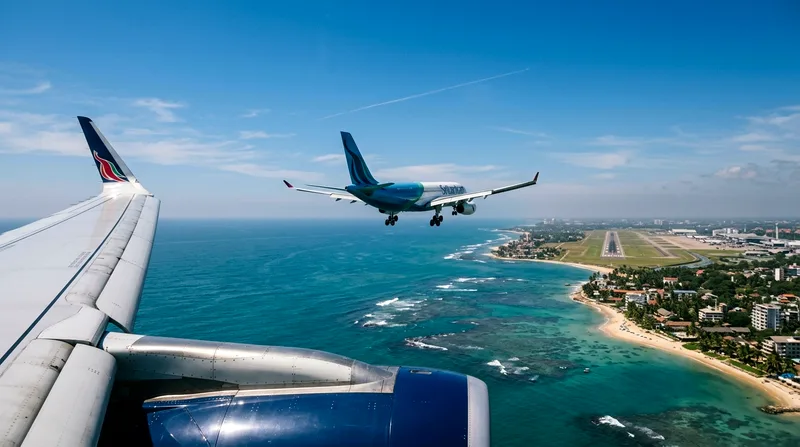
How to Get to Sri Lanka: Flights, Ferries and ETA Entry
Plan how to get to Sri Lanka: flight hubs from Europe and Asia, the India ferry option, ETA entry steps and arrival-day transfers from Colombo airport.
11 min read · 20 Oct 2026
Tickets & passes
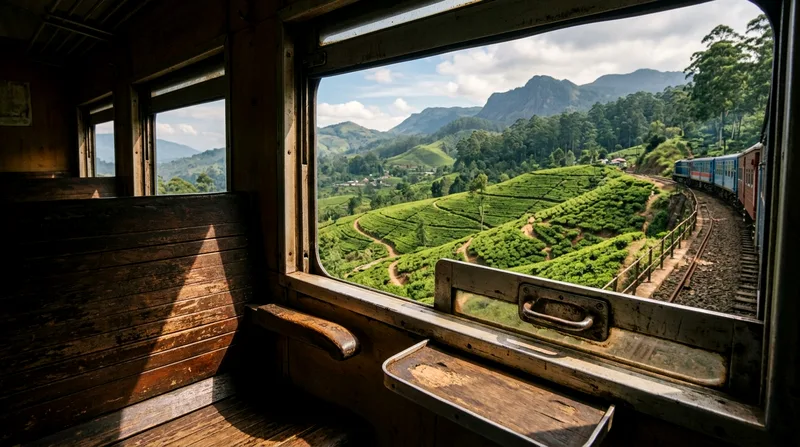
How to book Sri Lanka train tickets for scenic hill-country routes, compare classes, reserve seats and decide when a private transfer beats the train.
The photo everyone wants is the same: a blue-and-yellow carriage snaking along a ridge above tea bushes, doors wide open, someone's legs dangling out over the drop. That carriage runs on one of the most scenic rail lines anywhere in Asia, and buying the right sri lanka train tickets for it is less straightforward than it looks. Sri Lanka Railways, the state operator, runs both reserved and unreserved services on this route, and which one you end up on can mean the difference between a seat by the window for four hours or standing in a packed corridor.
The core problem is capacity. The hill-country trains are old, narrow-gauge, and genuinely small compared to what reaches Colombo's other lines. Demand from both tourists and locals commuting between Kandy, Nuwara Eliya and Ella has outpaced supply for years. Reserved carriages — first class, second class reserved, and the observation saloon — sell a fixed number of seats in advance through the official reservation system. Unreserved third class has no seat allocation at all: it's first-come, first-seated, and often standing-room-only on the popular late-morning departures.
Reserved tickets guarantee a numbered seat in a specific carriage on a specific train. You book these in advance — sometimes 30 days out, which is the usual opening window for online sales, though you should confirm the exact figure on the Sri Lanka Railways booking site since this has shifted before. Unreserved third class tickets are sold at the station on the day of travel, cost noticeably less, and come with zero guarantee of a seat. If you're traveling with kids or don't fancy standing in a doorway for three hours, unreserved is a gamble I wouldn't take on this particular route, even though plenty of backpackers do it happily.
The line most people mean when they say "the Sri Lanka scenic train" runs from Kandy through Hatton, Nanu Oya (the stop for Nuwara Eliya), and down to Ella, continuing on to Badulla. The Kandy to Ella train tickets are the ones that sell out fastest, particularly for the observation car and first-class AC carriages on the morning trains. Some travelers start further back, boarding in Colombo Fort for the full run up into the hills, which adds several hours but shows you the shift from lowland heat to misty tea country in real time. The most photographed stretch is the final approach into Ella, where the train crosses the Nine Arch Bridge near Demodara — a viaduct built without steel reinforcement, finished around 1921, that's become one of the most recognisable rail images in Asia.
A reserved ticket gets you a numbered seat, a specific class of carriage, and a confirmed train and departure time. That's it. It does not include meals, though vendors walk through the carriages selling snacks, tea and short eats at most stops. It doesn't include air conditioning unless you've specifically booked the AC first-class carriage — the observation saloon and second-class reserved carriages are fan-cooled with open windows, which honestly suits the scenery better anyway.
What it also doesn't include is a guarantee against delays. Sri Lanka's rail network is single-track for long stretches in the hill country, so trains wait for oncoming services to pass at sidings. A journey scheduled for around four hours can easily run forty-five minutes to an hour over on a bad day. If you have a flight or a tightly booked tour pickup afterward, build in that buffer — I'd never schedule anything time-critical for the same afternoon as a hill-country train arrival.
Your ticket specifies carriage number and seat number, printed on the paper or e-ticket. Observation car seats face forward in rows, like a coach, with large windows and sometimes a door-side standing area. First-class AC carriages have regular airline-style seating with closed windows. Second-class reserved is simpler bench-style seating, open windows, no AC — and frankly, closer to how most Sri Lankans experience the ride. None of these classes include priority boarding; you still need to find your carriage on the platform and board promptly, since stops are brief.
There's no formal luggage limit enforced the way an airline would, but space is tight — a medium backpack or small suitcase fits fine, a large hard-shell case will be awkward in the narrow aisles and overhead racks. Refunds on reserved tickets are possible if you cancel ahead of departure, but the window and any deduction depend on current Sri Lanka Railways policy, so check the terms shown at the time of booking rather than assuming a full refund. Missed trains generally mean a lost fare — there's no rebooking onto the next departure for free.
Not every train on this route carries every class, and not every class is worth paying extra for, depending on your priorities. The observation saloon is the one everyone wants photos of, attached to the rear of select services, with large windows and rear-facing views back down the track. It costs more than ordinary first class but isn't dramatically more expensive than you'd expect for the novelty.
First class AC suits travelers who've had enough of the heat and want a closed, cooler environment — reasonable for the Colombo-to-Kandy flatland stretch, less necessary once you're climbing into the cooler hill air past Hatton. Second class reserved is the sweet spot for most visitors: open windows for photos and air, a guaranteed seat, and a fare well below first class. Third class unreserved is cheapest by far and fine for short hops, but a poor choice for the full multi-hour scenic haul unless you enjoy standing.
Second-class reserved offers the best balance of price, airflow and guaranteed seating for most travelers on the hill-country line.
Sri Lanka train tickets by class: comfort, cost and booking difficulty compared
| Class | Seating | Air Conditioning | Booking Difficulty | Best For |
|---|---|---|---|---|
| Observation Car | Forward-facing, large windows | No (fan-cooled) | Very hard, sells out early | Photography, novelty views |
| First Class AC | Airline-style, closed windows | Yes | Moderate, book ahead | Heat-sensitive travelers, lowland legs |
| Second Class Reserved | Bench-style, open windows | No | Moderate, book ahead | Most tourists, value and views |
| Third Class Unreserved | No guaranteed seat | No | Easy, bought same day | Short hops, budget travel |
Typical patterns only; seat availability and booking windows change, so confirm current details on the official Sri Lanka Railways site before travel.
Think of it as a ladder: observation car for the view and the bragging rights, first class AC for comfort-focused travelers who don't mind sealed windows, second class reserved for the best balance of price, air, and guaranteed seating, and third class unreserved for short local hops or travelers on a tight budget who don't mind standing. Not every train has an observation car — it's attached to specific scheduled services, so check which departure carries one before building your day around it.
Morning departures from Kandy are the most popular and the first to sell out in reserved classes — if you want flexibility, consider a midday or early-afternoon train instead, where demand is lower and second-class reserved seats are easier to secure closer to your travel date. Senior travelers or anyone sensitive to heat should lean toward first-class AC on the lower-altitude segments and switch mental expectations once past Nuwara Eliya, where the air cools regardless of carriage class.
The only reliable source for sri lanka train booking is Sri Lanka Railways itself, through its official online reservation platform, or in person at station ticket counters. Third-party resale sites and some tour operators mark up hill-country train tickets significantly, sometimes doubling the official fare for a seat they've booked in bulk — useful if you're desperate and the official system shows nothing available, but not your first move.
Go to the official Sri Lanka Railways booking website, select your origin and destination stations — Kandy to Ella, Nanu Oya to Ella, or Colombo Fort to Badulla are the common combinations — choose your date, and the system will show which classes have seats remaining on which departures. You'll enter passenger details, pick seats if the system allows seat-level selection, and pay by card. Print or save your e-ticket; conductors do check tickets against ID on some services, so carry your passport. Booking opens a set number of days ahead, commonly discussed as around 30, but Sri Lanka Railways has adjusted this window before, so verify it directly on the site rather than planning around an old figure.
If the online system is down or fully booked, station ticket counters in Kandy, Nanu Oya, Ella and Colombo Fort sell remaining reserved and unreserved tickets in person, generally opening a few days before travel for the remaining allocation — exact timing varies by station, so ask locally or check Sri Lanka Railways' notices. Guesthouse owners and local tour desks in Kandy and Ella often help travelers book or can advise on real-time seat availability, which is genuinely useful during peak months like December to March when demand spikes alongside the dry season in the hill country.
The train is the experience — nobody books a private car for the postcard. But it's not always the smarter transport choice, and treating it as mandatory can wreck a tight itinerary. A private transfer by car or van along the A5 and connecting roads between Kandy and Ella takes roughly three to four hours depending on stops, similar to or sometimes faster than the train once you factor in delays, and it goes door to door rather than station to station.
Compare this to how travelers approach similar scenic rail trips elsewhere — the toy train to Darjeeling in a different part of South Asia, or Vietnam's Reunification Express — and the trade-off is familiar: trains deliver atmosphere and slowness as a feature, cars deliver control and speed. Sri Lanka's hill-country line is shorter and arguably more photogenic than most of its regional equivalents, which is exactly why reserved seats are so contested.
Couples and solo travelers chasing the view should prioritise the train and book early — this is the one experience worth planning your whole Sri Lanka route around. Families with young children or strollers often find the private transfer less stressful, since there's no platform scramble or standing-room risk. Surfers and anglers heading to the south coast afterward (Galle, say, after finishing the hill country) will usually find a private transfer or long-distance taxi more practical than juggling board bags through narrow train doors and connections.
If reserved train tickets are sold out for your dates, if you're traveling with more than one large bag per person, or if you need to be somewhere by a fixed time — an airport connection in Colombo, a tour pickup in Galle — book a private transfer instead and don't lose sleep over missing the train. Many visitors compromise: ride the train for the single most scenic segment, Nanu Oya to Ella or Ella to Badulla, and arrange a private car for the rest of the route. It's a reasonable middle path, and one worth comparing against current private transfer prices before you commit either way.
Book directly through the official Sri Lanka Railways online reservation platform as early as the booking window allows, typically around a month ahead for popular hill-country services. If the online system shows no availability, try a station counter in person or ask a guesthouse in Kandy or Ella to check for last-minute seats — avoid third-party resale markups unless you have no other option.
Sri Lanka Railways operates the official online booking channel for reserved seats. Search for "Sri Lanka Railways online seat reservation" to find the current official portal, since URLs and system providers have changed before — avoid unofficial-looking sites that charge noticeably higher fees for the same seats.
Most travelers and photographers point to the Nanu Oya-to-Ella stretch, which passes through tea plantations around Nuwara Eliya and crosses the Nine Arch Bridge near Demodara just before Ella. The wider Kandy-to-Badulla line covers the same highlights with a longer approach through Hatton's tea country.
Use the official online booking system, select your route and date, and choose from whichever classes still show availability — observation car and first class fill up fastest. You'll need passenger details and a card for payment; keep the e-ticket and your passport handy, since conductors sometimes check ID against the booking.
It depends on your priority. For the view and the experience, the train wins outright. For speed, flexibility, heavy luggage or a fixed arrival time, a private transfer by car is usually more practical and comparably timed on the Kandy-to-Ella road route — check current transfer prices and compare against train fares before deciding.
Plan how to get to Sri Lanka: flight hubs from Europe and Asia, the India ferry option, ETA entry steps and arrival-day transfers from Colombo airport.
11 min read · 20 Oct 2026
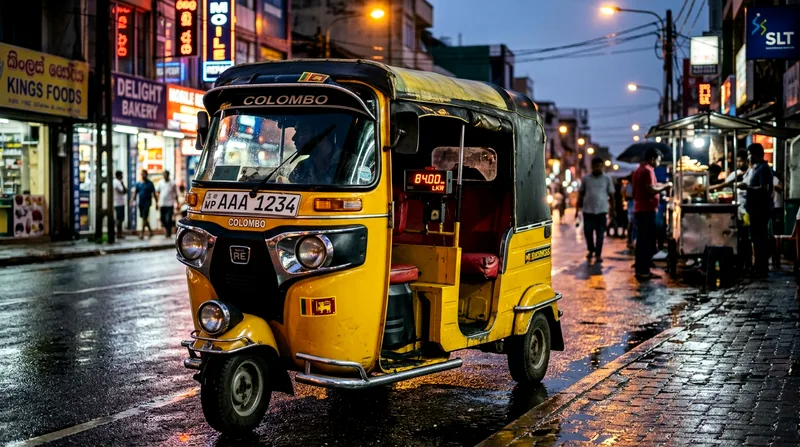
Learn what fair Sri Lanka tuk tuk prices look like, how PickMe and Uber compare with street hails, and which negotiation tactics keep short rides cheap.
8 min read · 20 Oct 2026
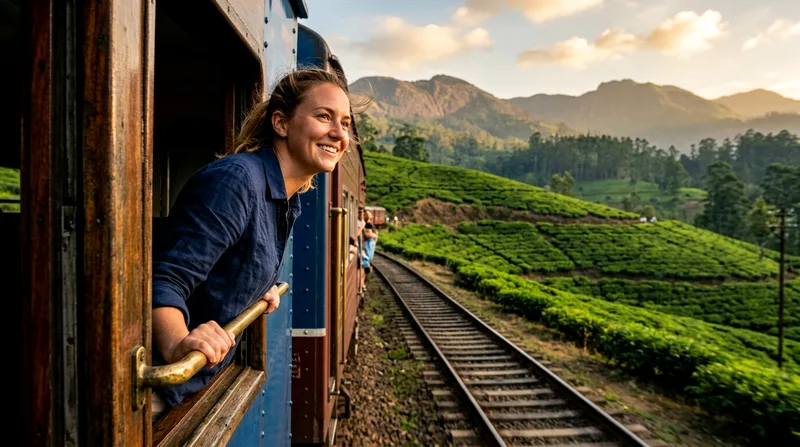
Sri Lanka train classes explained: what observation car, first class, reserved and unreserved seats really feel like on hill-country rides, and which to chase.
10 min read · 20 Oct 2026
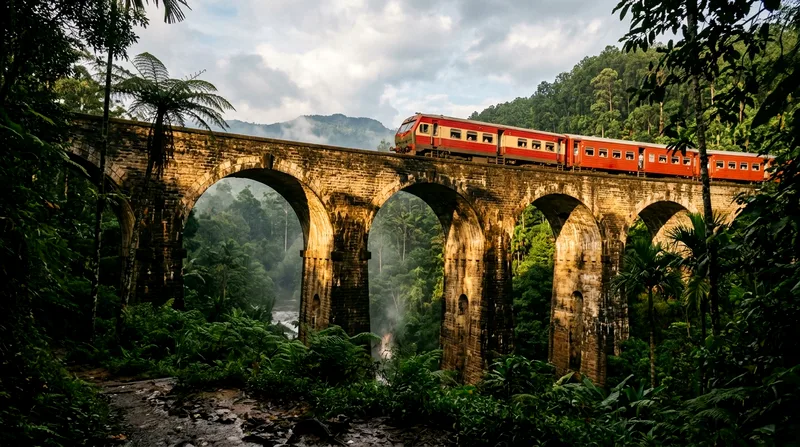
Plan your visit to the Nine Arch Bridge in Ella: how to get there, when to catch a train crossing, best viewpoints, and how to add Little Adams Peak.
10 min read · 20 Oct 2026
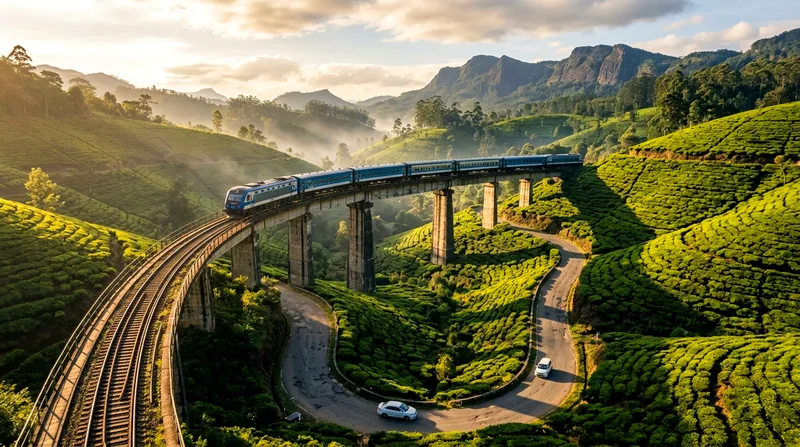
Sri Lanka train vs private driver: compare scenery, cost level, comfort, luggage and flexibility, and see when to mix both for seniors and families.
10 min read · 20 Oct 2026
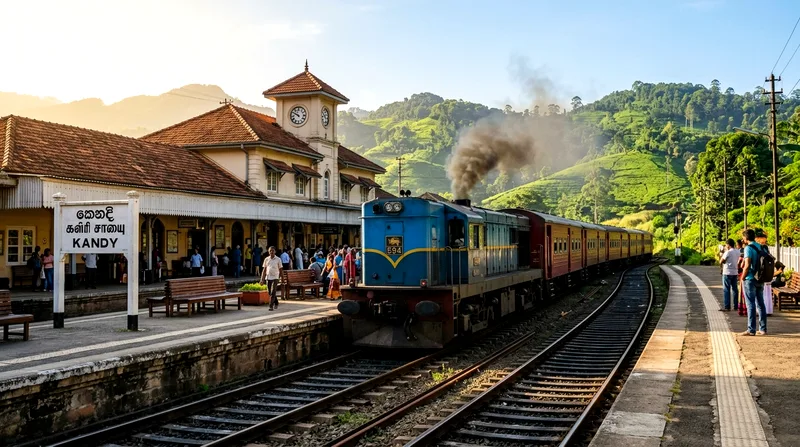
Learn how to get reserved seats on the Kandy to Ella train: ticket classes compared, official and agency booking options, and what to do when it sells out.
11 min read · 20 Oct 2026
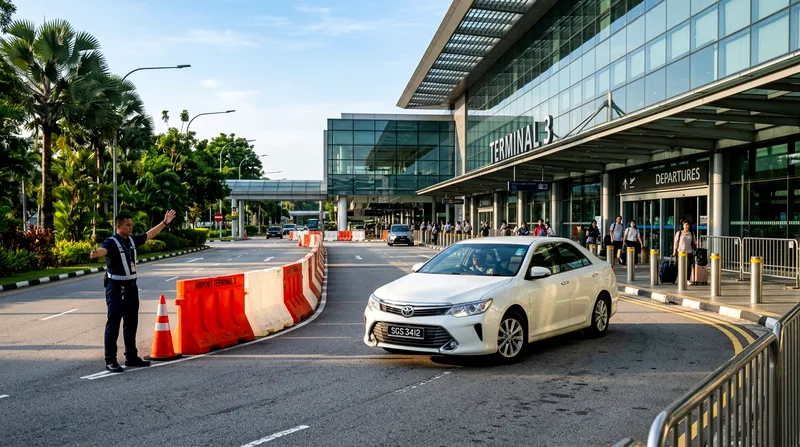
Compare every Sri Lanka airport transfer option from Bandaranaike airport: taxi, private driver, bus and train. Cost levels, stress and fair fares to Kandy.
10 min read · 20 Oct 2026
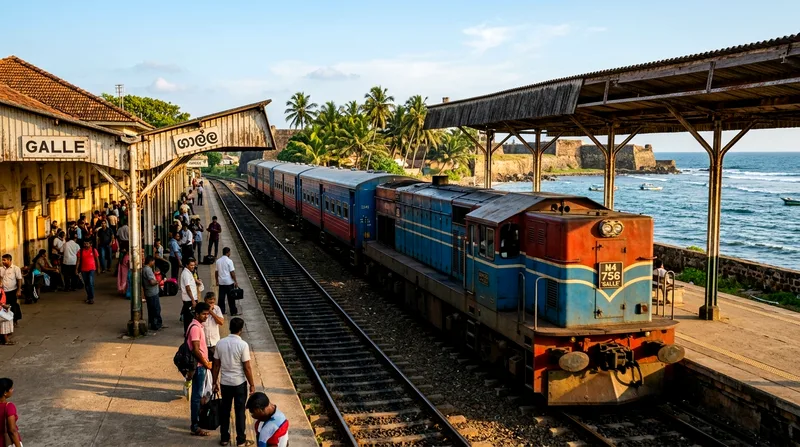
Plan your Colombo to Galle train ride on Sri Lanka's coastal line: ticket classes, how to book, journey time, seat tips and when the expressway is faster.
10 min read · 20 Oct 2026