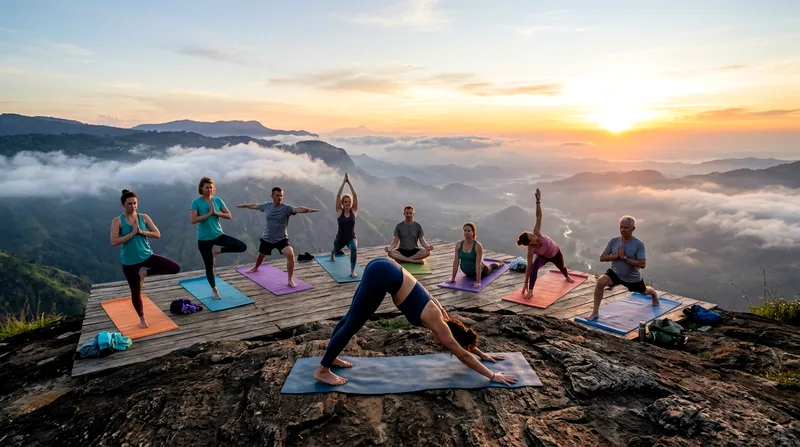
Sri Lanka Yoga: Styles, Seasons and Drop-In Classes
Explore yoga in Sri Lanka: main styles, best seasons by region, and where to join drop-in classes in Ella, the south coast and beyond.
9 min read · 20 Oct 2026
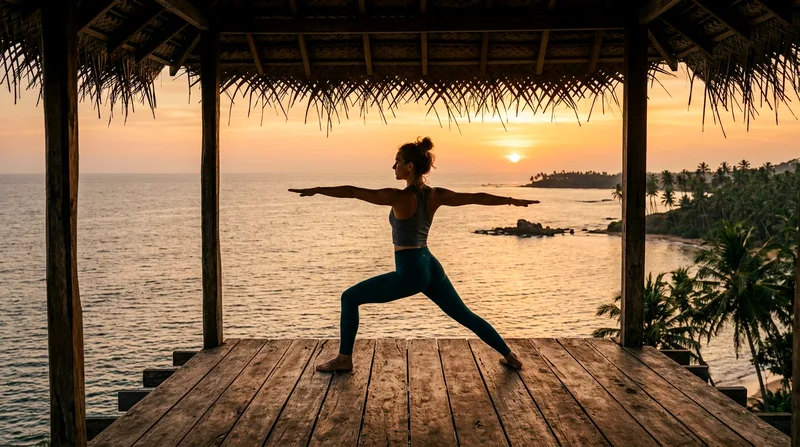
Tours & activities
Compare Sri Lanka yoga retreat options by goal, length and budget, from yoga to Ayurveda and meditation, plus red flags to check before paying a deposit.
Search "Sri Lanka yoga retreat" and you'll get a wall of near-identical results: a shala photo, a lake or jungle backdrop, the word "transformative" doing a lot of unearned work. Underneath the marketing, though, these programmes split into a handful of genuinely different categories, and picking the wrong one for your actual goal is the most common reason people leave disappointed.
Before you compare locations or prices, decide what you're actually trying to fix or build. A week of gentle hatha yoga and early nights solves a different problem than a two-week Ayurvedic panchakarma detox, and neither solves the problem of wanting to surf every afternoon — that needs a different format again. Sri Lanka's retreat scene has grown enough to serve each of these separately, so there's little reason to compromise.
The island's advantage over somewhere like Bali or Kerala is variety packed into a small area — you can combine a coastal surf-and-yoga week in the south with a few nights of Ayurveda in the hill country without long internal flights. Kerala arguably has deeper, more clinically rigorous Ayurveda traditions, and Bali has a far larger and more polished retreat industry. Sri Lanka's niche is a looser, more informal version of both, often cheaper and with better beach access than Kerala, and less saturated with tourists than Bali's Ubud.
If this is your first retreat, or you mainly want to switch off from work and sleep properly for a week, look for programmes described as "gentle," "restorative" or "beginner-friendly" rather than ones emphasising advanced asana or intensive schedules. These typically run two yoga sessions a day — a sunrise practice and a late-afternoon session — with free time in between for swimming, reading or a massage. Group sizes tend to be larger, often 10-20 people, which suits solo travellers wanting company but not ideal for anyone who finds big groups draining. A coastal setting near Koggala Lake or the south coast beaches works well here because the scenery itself does half the relaxing; you don't need advanced practice to enjoy watching the water in the morning.
If you already practise regularly and want to progress, or you're coming specifically for an Ayurvedic detox after a period of poor health, stress or recovery from illness, the gentle beach retreats will frustrate you — the pace is too slow and the Ayurveda component too superficial. Look instead for programmes explicitly built around panchakarma (a multi-stage Ayurvedic cleansing process) or intensive asana training, usually run from dedicated wellness centres rather than boutique guesthouses that added "retreat" to their listing. These run longer — ten days to three weeks isn't unusual — and cost more per day because they include daily consultations with an Ayurvedic physician, personalised herbal treatments and a controlled diet rather than a shared buffet. Expect less free time and a stricter schedule; this is work, not a holiday with yoga attached.
The three core categories overlap in marketing but differ in substance. A pure yoga retreat centres the day around asana practice, with meditation and Ayurveda treated as add-ons — maybe one massage included, maybe a herbal tea at breakfast. An Ayurveda retreat flips that: physical yoga is often light or optional, and the real programme is diagnosis-led herbal treatment, diet and oil therapies (abhyanga, shirodhara) guided by a practitioner. A meditation-focused retreat, often linked to a Buddhist monastery or vipassana centre, strips things back further — long silent sitting periods, simple vegetarian food, no phones, and a schedule that starts before dawn and can run for ten days with no talking at all.
Sen Wellness Sanctuary, inland near the hill country, is a reasonable example of the Ayurveda-and-yoga hybrid model — consultations and treatments built around a daily yoga schedule, in a jungle rather than beach setting. Ulpotha, in the dry zone, is known for a more rustic, off-grid wellness format with no electricity in the accommodation, which appeals to people wanting genuine disconnection rather than a resort with a yoga class bolted on. Neither is a budget option, and Ulpotha in particular runs on a fixed seasonal calendar rather than year-round bookings, so check their actual availability before planning around it.
The main decision isn't which brand to pick — it's which category matches your goal, since yoga, Ayurveda, meditation and surf-and-yoga retreats differ in pace, intensity and what's actually included.
Sri Lanka yoga retreat categories compared by goal, length, budget and setting
| Retreat type | Typical length | Budget tier | Best setting | Best for |
|---|---|---|---|---|
| Beginner/restorative yoga | 3-7 nights | Budget to mid | Coastal, lakeside | First-timers, couples, rest |
| Intensive yoga (asana-focused) | 7-14 nights | Mid to premium | Jungle, hill country | Experienced practitioners |
| Ayurveda/panchakarma | 10-21 nights | Premium | Inland wellness centres | Detox, recovery, chronic stress |
| Meditation/vipassana | 3-10 nights (often silent) | Budget to mid | Monastery, forest | Mental reset, solo travellers |
| Surf-and-yoga | 5-10 nights | Budget to mid | South coast beach towns | Active couples, solo surfers |
Typical ranges based on common programme structures; always check the current length, inclusions and price on the retreat's own listing or a booking platform before paying anything.
Use the table below as a first filter, then narrow down using reviews on TripAdvisor and dedicated platforms like BookRetreats or BookYogaRetreats, which let you filter by date, price band and instructor style — useful because individual retreat centres rarely keep their own websites updated with real availability.
The south coast, particularly around Weligama and Ahangama, has produced a specific hybrid: surf-and-yoga weeks aimed at people who want a physical holiday rather than a purely introspective one. Soul & Surf, based on this stretch of coast, is a well-known example of the format — morning surf lessons or sessions, afternoon yoga aimed at counteracting the muscular strain of paddling, shared meals, modest accommodation. This suits a younger, more active crowd than a jungle Ayurveda retreat, and it suits couples or solo travellers better than families with young children, since surf lessons for adults and childcare rarely coexist on the same schedule. Compare this to Bali's Canggu, which pioneered the surf-and-yoga model at larger scale — Sri Lanka's version is smaller, less polished, and noticeably cheaper, but the surf break quality and consistency in Bali is generally higher for intermediate surfers. Inland, retreats around Kandy or near Koggala Lake trade the surf for quiet and humidity instead of sea breeze — better for meditation-heavy programmes, worse if you'll get restless without the ocean nearby.
Length and budget are linked more tightly than most retreat marketing admits. A short break is cheap per night but often too brief to produce any real change in sleep, flexibility or stress levels — you'll land, adjust for two days, enjoy it for three, then leave. A proper two-week programme costs more overall but far less per day once you factor in that the first few days of any retreat are partly wasted on jet lag and settling in.
A three-to-five-night retreat works as an add-on to a broader Sri Lanka itinerary — tack it onto the end of a cultural triangle tour or a wildlife safari in Yala, and treat it as recovery time rather than a transformation. It won't deliver deep Ayurvedic results or major flexibility gains, but it will reset you for the flight home. A seven-to-fourteen-night programme is the realistic minimum if your goal is an actual shift — better sleep patterns, noticeably looser hips, or a completed panchakarma cycle, which Ayurvedic practitioners generally say needs at least ten days to show results rather than two or three. Anything beyond three weeks starts testing most people's holiday time and budget, and the marginal benefit per extra week tends to drop unless you're dealing with a specific health issue under medical Ayurvedic supervision.
Budget-tier retreats (shared rooms or simple private rooms, fan rather than air conditioning, buffet-style vegetarian meals) usually include accommodation, meals and two daily yoga sessions, with treatments and excursions charged separately. Mid-tier adds air conditioning, en-suite bathrooms, one or two Ayurvedic treatments included in the package, and smaller group sizes. Premium tiers — the Ulpotha and Sen Wellness Sanctuary end of the market — bundle daily personalised treatments, a dedicated practitioner consultation, higher food quality (often fully organic, grown on-site in some cases), and private or semi-private accommodation. The jump from mid to premium is usually bigger in price than the jump from budget to mid, so decide early whether you actually need the daily personalised Ayurveda consultation or whether a few optional add-on massages at a mid-tier retreat would satisfy you for less.
This is where most of the real differentiation between retreats actually lives, and it's the part the glossy photos never show you. Two retreats can look identical on Instagram and be completely different experiences once you're there — one run by a qualified Ayurvedic physician with thirty years of clinical practice, the other by someone who did a weekend course and bought some brass bowls.
Check exactly what's included before comparing price across listings — airport transfers, all meals, laundry, and the number of treatments or excursions vary enormously and get buried in fine print. Ask directly about group size: anything over 15-20 people in a single yoga session limits how much individual correction you'll get, which matters more if you're a beginner than if you're experienced. For instructor credentials, a legitimate yoga teacher will usually list a recognised training hours figure (200-hour or 500-hour certification is the common international standard) rather than just "years of practice." For Ayurveda specifically, ask whether the practitioner is a registered Ayurvedic doctor (BAMS-qualified or equivalent) rather than a therapist trained only in massage techniques — the treatments can look the same on a spa menu but the diagnostic quality is completely different.
Be wary of listings with no recent reviews on independent platforms — TripAdvisor and the retreat-specific booking sites like BookRetreats or BookYogaRetreats are more reliable than reviews hosted only on the retreat's own website, which can be curated or fake. Treat any claim of curing a specific medical condition through yoga or Ayurveda alone with real suspicion — legitimate practitioners talk about management and wellbeing, not cures, and Sri Lankan Ayurveda hospitals that make bold medical claims to foreign tourists specifically are a known pattern worth avoiding. Large non-refundable deposits requested well in advance, with no clear cancellation policy, are another warning sign — reputable operators usually offer at least partial refund windows. Finally, check real photos of the accommodation rather than just the yoga shala; a impressive shala photo tells you nothing about whether the rooms have reliable hot water or functioning mosquito screens, both genuinely common complaints in reviews of otherwise good retreats.
Sri Lanka doesn't have one single dry season — the south-west coast and hill country follow one monsoon pattern, while the east coast follows almost the opposite one. Getting this wrong means booking a beach retreat during a rainy, rough-sea stretch, which affects both the atmosphere and any surf-and-yoga component.
The south and west coasts (Weligama, Ahangama, Mirissa, Koggala) have their best weather roughly December through March — calmer seas, lower humidity, reliable sun, which is also peak season for surf-and-yoga retreats. The east coast (Arugam Bay area) flips to its best conditions roughly May through September. Hill country retreats near Kandy or Ella run cooler and more stable year-round, with the main monsoon influence being short afternoon showers rather than sustained wet weeks, which makes them a reasonable fallback if your travel dates don't line up with either coastal window. Compare this to Thailand, where the whole country broadly shares one high season — Sri Lanka's split system means you genuinely need to match the region to the month, not just pick any date and go.
Popular retreats, especially smaller ones like Ulpotha with limited capacity and a fixed seasonal operating calendar, can book out three to six months ahead for peak season dates. Budget retreats with larger groups are more flexible and sometimes bookable within a few weeks. Factor in the flight time — most European travellers face 10-11 hours direct to Colombo, longer with a connection — plus a few hours' road transfer to the retreat itself, since few are near Bandaranaike International Airport. Build at least one buffer night in Colombo or Negombo either side if your retreat is in the hill country or deep south, rather than scheduling a tight connection straight off a long-haul flight into a strict retreat start time.
Prices vary widely by tier rather than by location alone. Budget retreats with shared facilities and simple vegetarian meals sit at the lower end per night; mid-tier options with private en-suite rooms and a couple of included treatments cost noticeably more; premium Ayurveda-focused centres with daily personalised consultations are the most expensive per night, partly because they include medical-level practitioner time. Always check current prices on the retreat's listing or a platform like BookRetreats rather than relying on older blog figures, since rates shift with season and exchange rates.
A yoga retreat is built around physical practice — two or more yoga sessions daily, usually with meditation as a smaller add-on. An Ayurveda retreat centres on a practitioner-led diagnostic process (pulse reading, consultation) followed by personalised herbal treatments, diet and oil therapies, with yoga often present but secondary. If detox or a specific health concern is your main reason for going, prioritise Ayurveda credentials over the yoga schedule.
For general rest and a first experience, five to seven nights is enough to feel a difference without a huge time commitment. For a real shift in flexibility, sleep or stress levels, or for an Ayurvedic panchakarma cycle, aim for ten to fourteen nights minimum — practitioners generally agree shorter detox programmes don't complete the full cleansing cycle properly.
Look for retreats explicitly labelled "beginner-friendly" or "gentle," in a coastal or lakeside setting such as near Koggala Lake, with two moderate sessions a day rather than an intensive multi-session schedule. Confirm the instructor offers modifications and works with a moderate group size, ideally under 15, so you're not lost at the back of a large class.
Most packages include accommodation, daily meals (usually vegetarian or plant-based) and at least one or two daily yoga sessions. Beyond that, inclusions vary a lot — airport transfers, Ayurvedic treatments, excursions and laundry are sometimes bundled and sometimes charged separately. Always read the inclusions list line by line and compare it against the total price before assuming two similarly priced retreats offer the same value.
Explore yoga in Sri Lanka: main styles, best seasons by region, and where to join drop-in classes in Ella, the south coast and beyond.
9 min read · 20 Oct 2026
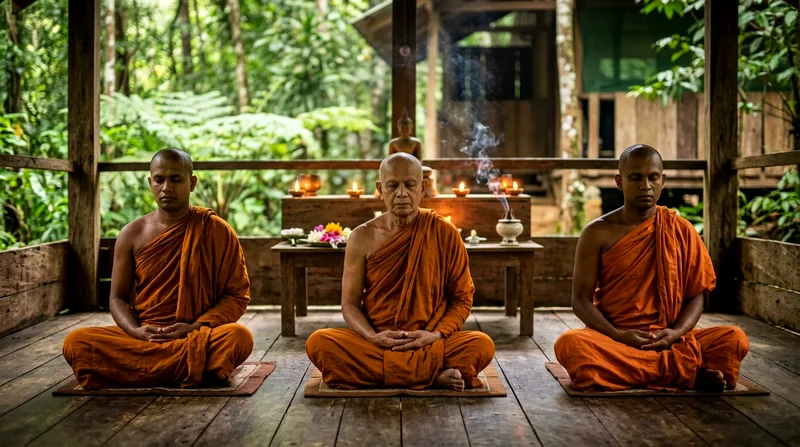
Compare Sri Lanka meditation retreats, from donation-based forest monasteries to guided mindfulness stays, and find the right fit for beginners or experienced meditators.
9 min read · 20 Oct 2026
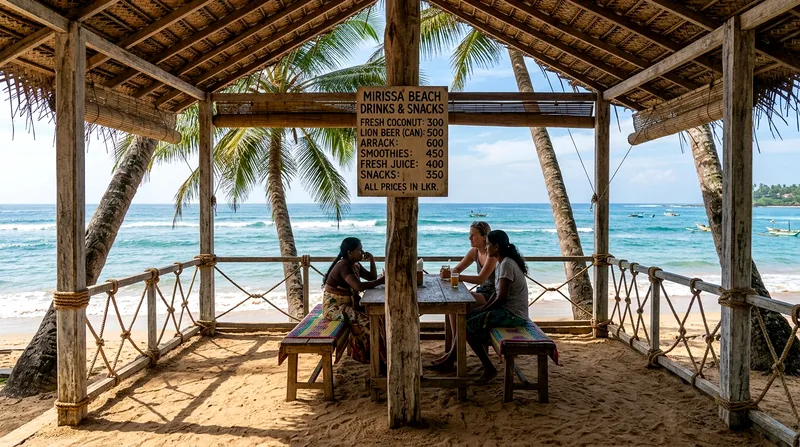
Sri Lanka yoga retreat price explained: what each tier includes, hidden extras to watch for, and proven ways to save with off-season and drop-in options.
8 min read · 20 Oct 2026
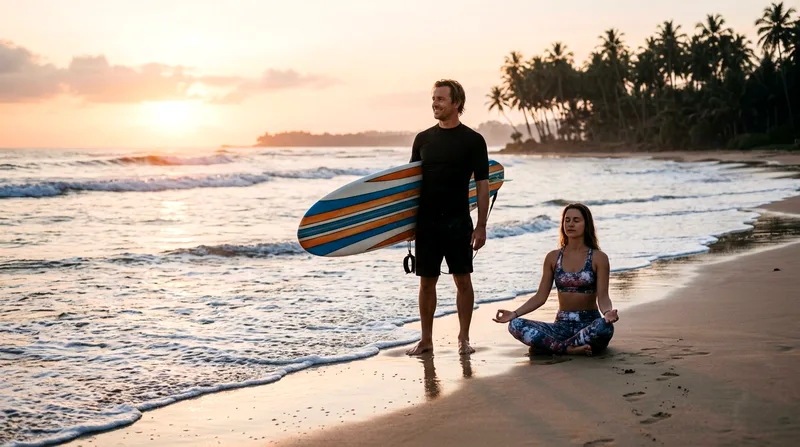
Compare the best Sri Lanka surf and yoga retreat options on the south and east coasts, from Weligama to Arugam Bay, with tips for solo travellers.
10 min read · 20 Oct 2026
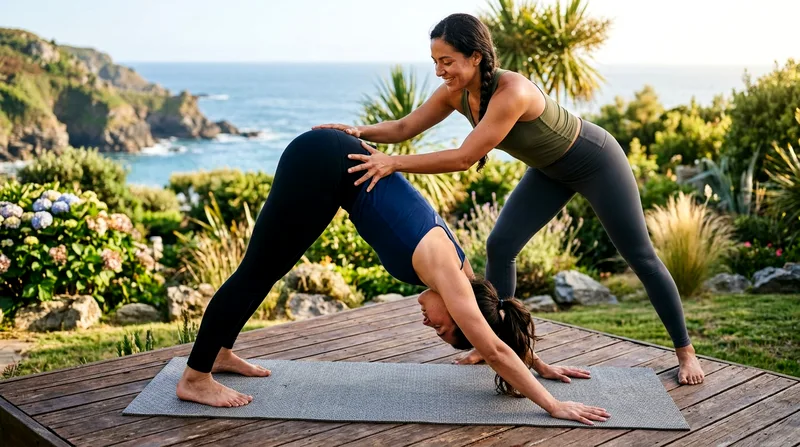
Compare Sri Lanka yoga teacher training by course type, curriculum, class size, setting and total cost, plus Yoga Alliance accreditation checks before you book.
10 min read · 20 Oct 2026
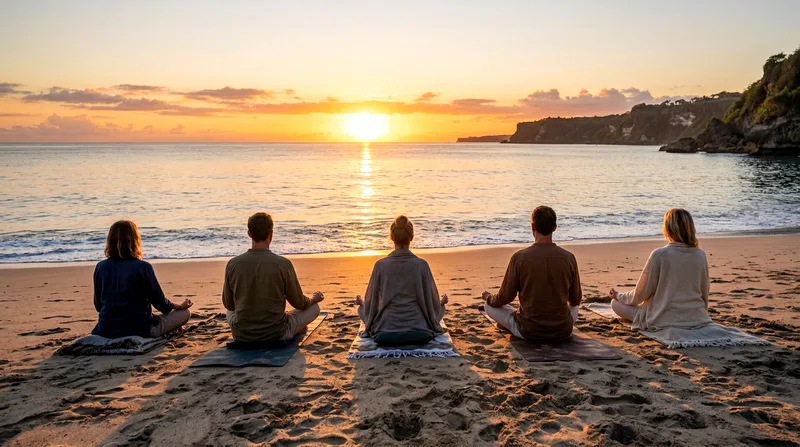
Yoga retreat vs ayurveda retreat in Sri Lanka compared on intensity, diet, daily schedule and cost level, so you can pick the right wellness holiday.
10 min read · 20 Oct 2026
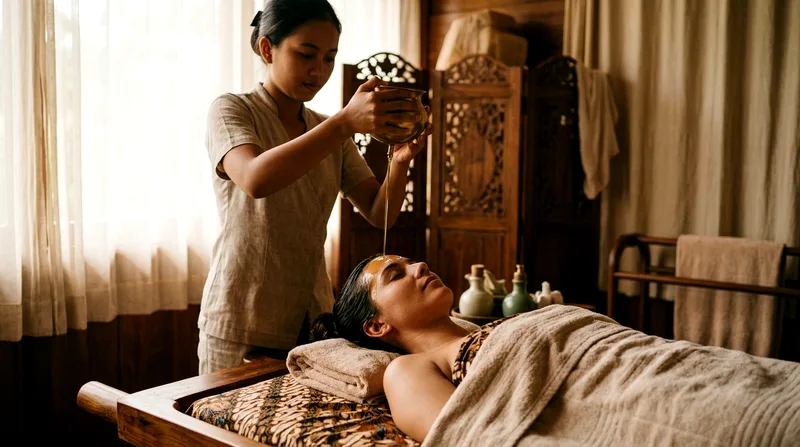
Compare Sri Lanka Ayurveda retreat programmes by length and style, see what's included, and find gentle options for senior travellers. Plan your stay now.
11 min read · 20 Oct 2026