Compare Sri Lanka Ayurveda retreat programmes by length and style, see what's included, and find gentle options for senior travellers. Plan your stay now.
Who Each Type of Ayurveda Retreat Suits
Sri Lanka has practiced Ayurveda for over two thousand years, with its own regional variant shaped by Sinhalese medical texts and local herbs — it's not simply an import of the Indian tradition, though the two share roots. That history is why the island has a genuinely deep bench of trained physicians, herbal pharmacies, and dedicated retreat properties, rather than hotels bolting a "wellness menu" onto a standard beach resort. If you're comparing this against Kerala, India — the other heavyweight Ayurveda destination — Sri Lanka tends to offer calmer, less crowded treatment centers and easier logistics for combining a retreat with a beach stay or wildlife trip afterward.
Not every traveler needs the same programme. A 28-year-old wanting a stress-relief week after a bad year at work has completely different requirements from a 70-year-old managing joint pain and blood pressure medication. The industry here does segment itself reasonably clearly, once you know what to look for: medical-style centers with resident doctors versus resort-style spas that happen to offer Ayurvedic massage.
My honest opinion: a huge share of "Ayurveda retreats" marketed to tourists are really spa holidays with better branding. That's fine if relaxation is the goal. It's not fine if you're expecting genuine Panchakarma detoxification, which requires diagnosis, dosha-specific diet, and a structured multi-stage process that a 3-night package simply cannot deliver.
Gentle Healing for Senior Travellers
Senior travelers are, in some ways, the ideal audience for Sri Lankan Ayurveda — much of the treatment style (gentle oil massage, warm herbal steam, slow-paced daily rhythm) suits older bodies better than it suits anyone chasing a quick detox before a wedding. Properties like Barberyn Resorts have built decades of experience treating joint pain, poor circulation, and insomnia in older guests, with doctors adjusting oil temperature, massage pressure, and diet accordingly. Look for retreats offering single-story accommodation or lift access, grab rails in treatment rooms, and doctors willing to review your current prescriptions before building a plan. Avoid any program that pushes you straight into strong Virechana (purgation) or extended fasting without a consultation first — a reputable clinic will simply refuse this for a guest with uncontrolled diabetes or cardiac issues, and you should be wary of any that doesn't ask.
First-Timers, Detox Seekers and Yoga Lovers
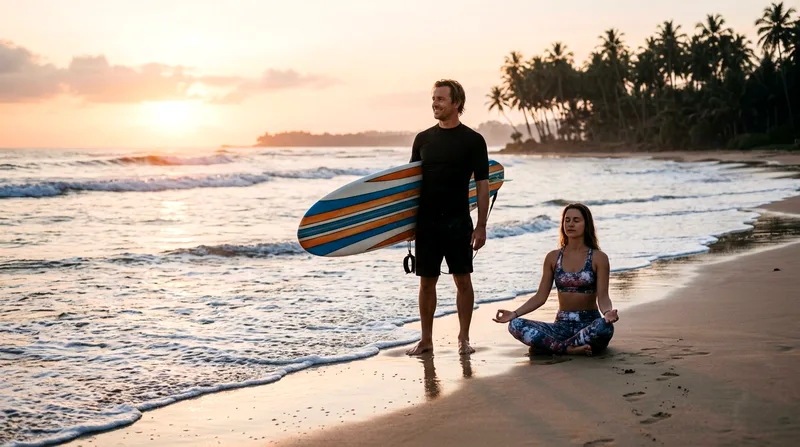
If this is your first Ayurveda experience, start with a 7-day rejuvenation or stress-relief programme rather than full Panchakarma — it gives you a taste of the diagnosis process, the oil treatments, and the diet without committing two weeks to something you might find too restrictive. Detox seekers who've done research and want the real multi-week cleanse should look specifically for centers advertising Panchakarma with pre- and post-care phases, not just the treatment week. Yoga lovers do well at places like Siddhalepa or Sen Wellness Sanctuary, which pair daily asana and pranayama sessions with treatments — though be aware the yoga is usually gentle and restorative, not a power-vinyasa holiday; if you want intense physical yoga, a dedicated yoga retreat elsewhere on the island suits you better than an Ayurveda clinic.
Main Ayurveda Programme Types Compared
Programmes marketed under the Ayurveda banner in Sri Lanka generally split into a handful of recognizable categories, and knowing which one you're booking matters more than which hotel brand is attached to it.
Panchakarma demands the most time and medical oversight, while stress-relief programmes are the shortest and most resort-like.
Sri Lanka Ayurveda retreat programme types compared by duration and intensity
| Programme Type | Typical Duration | Intensity | Best For | Diet Strictness |
|---|---|---|---|---|
| Panchakarma (full detox) | 14-21 days | High, medically supervised | Chronic conditions, deep detox | Strict, dosha-specific |
| Rejuvenation (Rasayana) | 7-14 days | Moderate | General wellness, recovery | Moderate, Ayurvedic meals |
| Stress-relief / anti-stress | 5-7 days | Low to moderate | Burnout, poor sleep, first-timers | Flexible, light Ayurvedic |
| Resort-style wellness wing | 3-10 days | Low | Couples, combined beach holiday | Flexible, alcohol often allowed |
| Senior-focused gentle programme | 7-14 days | Low, adjusted pressure/temperature | Joint pain, circulation, seniors | Moderate, condition-adjusted |
Durations and intensity levels are typical industry patterns, not fixed rules — confirm the exact structure with the retreat before booking.
Panchakarma, Rejuvenation and Stress-Relief Programmes
Panchakarma is the classical five-action detox: oil therapies (Snehana), sweating treatments (Swedana), then one or more of purgation, enema therapy, or nasal cleansing depending on your dosha imbalance. It's the most intensive category and the one most often diluted by tourist operators into "a nice oil massage for a few days" — real Panchakarma needs a minimum of two weeks and close medical supervision. Rejuvenation (Rasayana) programmes are gentler and shorter, built around nourishing oil massage, herbal tonics, and good sleep — a sensible choice for someone not dealing with a specific condition. Stress-relief or "anti-stress" packages are the lightest tier: massage, steam, meditation, and diet tweaks over 5-7 days, closer to a high-end spa week than medical treatment. None of these should be confused with each other when you're comparing quotes — ask explicitly which category a package falls into.
Medical-Style vs Resort-Style Retreats
Medical-style centers — Barberyn Resorts and Siddhalepa are the best-known examples — run like a clinic with a hotel attached. Expect a resident doctor, daily pulse diagnosis, a treatment plan that changes as you progress, and a strict Ayurvedic diet with no alcohol, coffee, or meat. Resort-style retreats, including wellness wings at larger luxury properties such as Anantara Peace Haven Tangalle, treat Ayurveda as one menu item among many — you'll get skilled therapists and pleasant facilities, but often a visiting consultant rather than a full-time physician, and more flexibility on food and alcohol. For genuine therapeutic results, medical-style wins; for a comfortable introduction with a beach-resort feel, resort-style is more forgiving and arguably more enjoyable if you're traveling with a partner who isn't doing the programme.
How Long Should You Stay?
Ayurveda retreat duration is the single biggest factor separating a real result from a nice holiday with oil massage. The tradition itself is built around cumulative effect — treatments compound over days as the body releases toxins and the doctor adjusts the plan, which is why clinics are consistent in saying short stays can relax you but rarely change much physiologically.
Short Stays vs 7-Day vs 14-Day Programmes
A 3-5 night stay is really a sampler: one or two consultations, a handful of massage and steam sessions, and an Ayurvedic meal or two. Pleasant, but don't expect lasting change — think of it the way you'd think of a single yoga class versus a month of practice. Seven days is the realistic minimum for a stress-relief or light rejuvenation programme to show something — better sleep, looser joints, calmer digestion. Fourteen days is the threshold most medical-style centers, including Barberyn and Siddhalepa, consider the minimum for genuine Panchakarma, because the purification phase alone can run 7-10 days and needs preparatory and recovery days either side. Some serious detox seekers book 21 days; anything beyond that is usually for specific chronic conditions under direct physician guidance rather than general wellness tourism.
How Panchakarma Unfolds Step by Step
A proper Panchakarma stay follows a sequence, not a random rotation of spa treatments. It opens with Purvakarma — days of oil massage (Abhyanga) and herbal steam to loosen toxins and prepare the digestive system, often alongside a simplified diet. This is followed by the main cleansing action itself, chosen by the doctor based on your dosha and condition — commonly Virechana (medicated purgation) or Basti (herbal enema therapy), sometimes Nasya (nasal administration) for head and sinus issues. The final stage, Rasayana, rebuilds strength with nourishing food, tonics, and lighter treatments as your system stabilizes. Expect the doctor to check your pulse and tongue daily and alter the plan accordingly — if a center gives you the identical schedule on day 1 and day 10, that's a sign it's running a fixed package rather than real diagnosis-led Panchakarma.
What Is Included in a Programme
Package inclusions vary more than people expect, and it's worth reading the fine print rather than assuming "Ayurveda retreat" means a fixed bundle.
Consultation, Treatments and Ayurvedic Diet
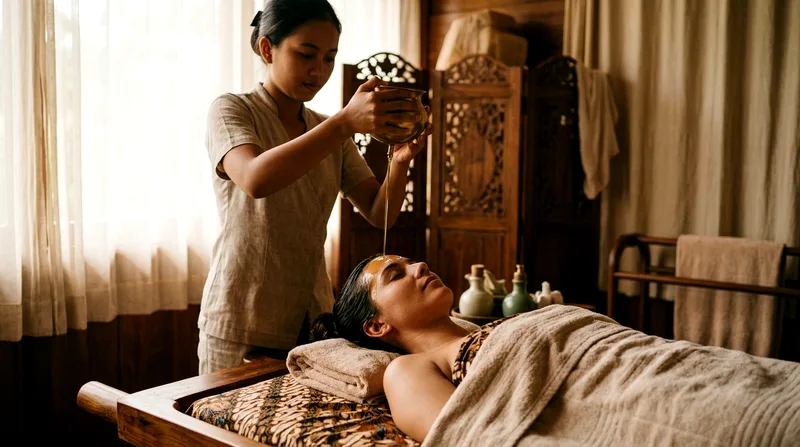
Every legitimate programme starts with an individual diagnosis — a consultation covering pulse reading, medical history, and dosha assessment (Vata, Pitta, Kapha) that determines your personalized treatment and diet plan, not a generic one-size schedule. Daily treatments typically include some combination of Abhyanga oil massage, Shirodhara (warm oil poured steadily on the forehead, good for insomnia and anxiety), herbal steam baths, and specific therapies tied to your diagnosis. Full board is near-universal at medical-style centers: three vegetarian meals plus herbal teas, cooked according to Ayurvedic principles — generally no caffeine, alcohol, red meat, or refined sugar for the duration. This is where resort-style places diverge most: some allow a glass of wine at dinner, which purists will tell you undermines the whole point, and I'd tend to agree if detox is your actual goal rather than a nice week away.
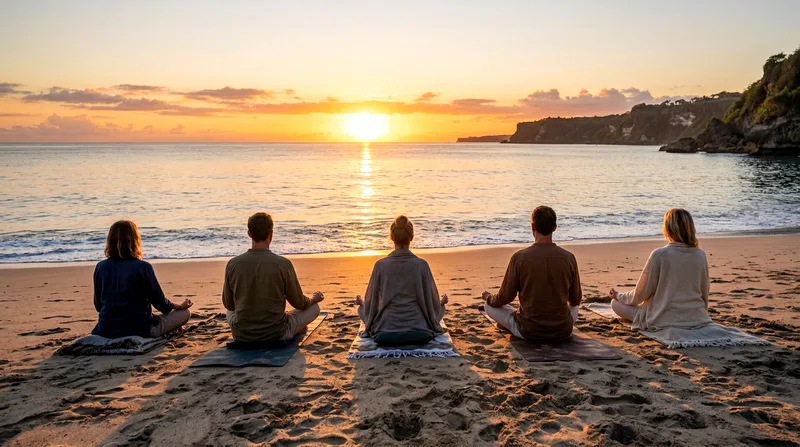
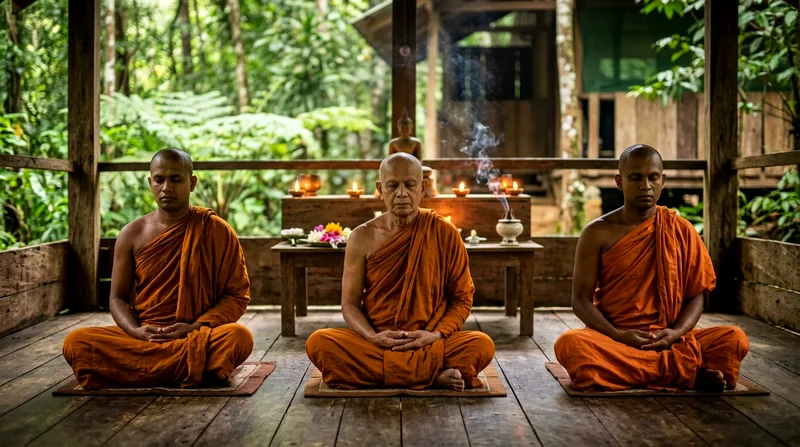
Yoga, Meditation and Accommodation
Most programmes bundle in daily yoga and meditation sessions, usually gentle hatha-style practice suited to all fitness levels rather than anything athletic — appropriate given guests are often mid-detox and shouldn't be pushing hard physically. Accommodation ranges widely: Barberyn's beachfront properties and Soul Resorts lean toward comfortable but unfussy rooms focused on the treatment program, while Anantara Peace Haven Tangalle sits at the luxury end, with Ayurveda as an add-on to five-star amenities, pools, and sea-view suites. Surya Lanka and Nature Lanka occupy a more modest, garden-set middle ground popular with longer-stay European guests on a budget. Decide what matters more to you: five-star surroundings, or the depth of medical attention — the two don't always correlate, and some of the most respected clinical results come from simpler properties.
What to Check Before Booking
This is the section to actually read twice before you hand over a deposit. Ayurveda retreat marketing photographs all look similar — clay pots, banana leaves, a therapist pouring oil — but the substance behind them differs enormously.
Doctor Qualifications and Authenticity
Ask directly: does the retreat have a government-registered Ayurvedic physician (BAMS degree or Sri Lankan equivalent) on-site daily, or a visiting consultant who drops in occasionally? Authentic Ayurvedic doctors in Sri Lanka train for five to six years and register with the national Ayurveda authority — a properly run clinic will tell you the doctor's name and qualifications without hesitation. Be skeptical of any property that can't name its physician or that rotates unqualified massage therapists into a "doctor consultation" slot. Checking review platforms and aggregators such as BookRetreats, alongside independent reviews rather than only the retreat's own website, gives a more honest picture of whether the medical side is real or decorative.
Contraindications, Medications and Cancellation Terms
Certain Panchakarma treatments are unsuitable during pregnancy, with uncontrolled heart conditions, during active cancer treatment, or alongside certain medications — a reputable clinic will ask about all of this before confirming your plan, and will adapt or decline treatments rather than proceeding regardless. This matters especially for seniors on blood thinners or blood pressure medication, where some herbal preparations can interact. Bring a full medication list and, honestly, speak to your GP before booking anything beyond a light stress-relief package — this isn't a disclaimer for form's sake, interactions are real. Separately, check cancellation terms carefully: multi-week bookings often require deposits of 20-30% with limited refund windows, and travel insurance covering medical retreats is worth confirming, since standard holiday insurance sometimes excludes "medical treatment" stays.
When to Book Your Retreat
Timing affects both comfort and treatment quality more than most people realize before their first visit.
Best Seasons by Coast and Region
Sri Lanka has two monsoon systems, so "best season" depends on coast. The southwest coast (Bentota, Beruwala, Tangalle — where Barberyn and Anantara Peace Haven Tangalle sit) is driest and most pleasant from December to March, while the southwest monsoon brings heavier rain from May to September. The east coast and hill country run roughly opposite, drier from May to September. For a pure retreat stay where you're indoors for treatments most of the day anyway, weather matters less than for a beach holiday — but humidity during steam and oil treatments is genuinely more comfortable in the cooler, drier months, and flights and transfers are easier without monsoon disruption. If you're combining the retreat with sightseeing in Kandy or a wildlife safari, plan around the region's dry season specifically, not the island's general "high season."
Preparing Before and Maintaining After
Most clinics recommend cutting caffeine, alcohol, and heavy meat consumption for at least a week before arrival — it eases the transition and means your first days aren't spent fighting withdrawal headaches instead of relaxing. Pack loose cotton clothing, since oil treatments stain, and skip tight schedules immediately before or after — book at least one buffer day either side rather than flying out straight after a final purgation treatment. Post-retreat, the diet and lifestyle guidance you're given matters more than people expect; results fade fast if you return home and immediately resume coffee, late nights, and processed food. Ask your doctor for a written follow-up plan before you leave — the good centers provide one unprompted.
Frequently asked questions
Is Sri Lanka good for Ayurveda?
Yes — Sri Lanka has practiced its own Ayurvedic tradition for over two thousand years, with government-registered physicians, dedicated herbal pharmacies, and long-established clinics like Barberyn Resorts and Siddhalepa. It compares well against Kerala, India, generally offering calmer facilities and easier combination with beach or wildlife travel, though Kerala has a slightly larger concentration of hospital-style Panchakarma centers.
How long should I stay at an Ayurvedic retreat?
For a light introduction or stress relief, 5-7 days is enough to notice a difference. For genuine Panchakarma detoxification, plan on 14-21 days — shorter stays simply can't complete the purification and recovery phases the treatment requires.
What is Panchakarma and how does it work?
Panchakarma is a structured five-step Ayurvedic detox: preparatory oil massage and steam, a main cleansing action (commonly medicated purgation or herbal enema), chosen according to your dosha, followed by a recovery phase of nourishing diet and tonics. A doctor reassesses you daily and adjusts the plan throughout.
What qualifications should an Ayurvedic doctor have?
Look for a BAMS degree (Bachelor of Ayurvedic Medicine and Surgery) or the Sri Lankan equivalent, plus registration with the national Ayurveda authority. A credible retreat names its physician openly and has them available daily for consultation, not just an occasional visiting advisor.
What is included in a typical Ayurveda retreat programme?
Expect an initial diagnostic consultation, a personalized daily treatment schedule (oil massage, Shirodhara, herbal steam), full board on an Ayurvedic vegetarian diet, and usually daily gentle yoga and meditation. Accommodation standard varies hugely between modest clinics and five-star resorts like Anantara Peace Haven Tangalle, so check what's bundled versus charged separately.