Yoga retreat vs ayurveda retreat in Sri Lanka compared on intensity, diet, daily schedule and cost level, so you can pick the right wellness holiday.
Yoga vs Ayurveda Retreats at a Glance
The yoga retreat vs ayurveda retreat Sri Lanka question comes up constantly among people planning a wellness holiday here, and the honest answer is that they solve different problems. A yoga retreat is built around a daily practice you do yourself, with instruction, repetition and physical progress over days or weeks. An Ayurveda retreat is built around treatments done to you — oil therapies, herbal regimens, dietary correction — under the guidance of an Ayurvedic physician, with yoga sometimes included as a gentle add-on rather than the main event.
Sri Lanka does both well, and it has for decades, which is one reason it competes seriously with Kerala in India for Ayurveda tourism and with Bali for yoga tourism. The island's advantage over Bali is lower cost and far fewer crowds at serious retreat centers; its advantage over Kerala is a wider spread of beach-adjacent locations, since Ayurveda in Sri Lanka isn't confined to the hill country the way some Kerala programs are hill-station based.
What a yoga retreat involves
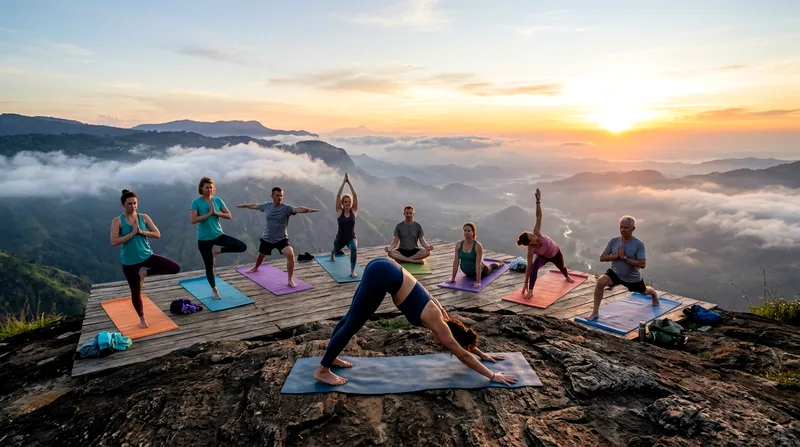
A typical yoga retreat in Sri Lanka runs from a long weekend to several weeks, with most structured programs sitting around 7 to 14 days. Expect two practice sessions a day — often a dynamic morning flow and a slower evening session — plus meditation, pranayama and sometimes workshops on alignment or philosophy. Centers like Ulpotha, in the dry zone near Embogama, run on an off-grid, rustic ethos: oil lamps, open-sided shalas, communal meals, no WiFi in the rooms. That's a feature for some travelers and a dealbreaker for others — if you need reliable power to work remotely, Ulpotha's model will frustrate you.
What an Ayurveda retreat involves
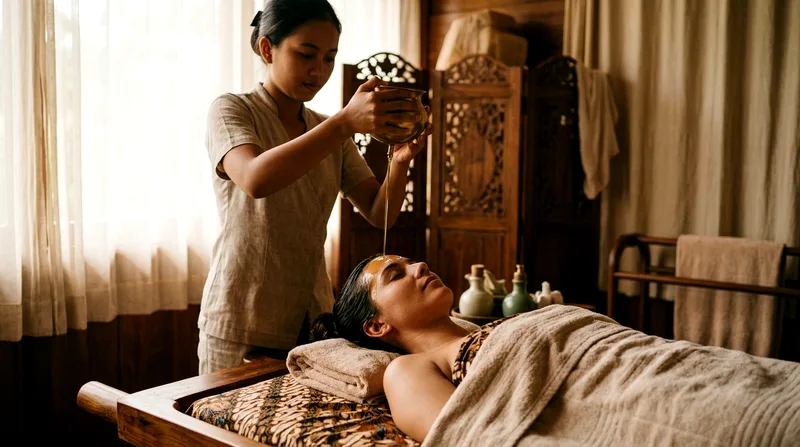
An Ayurveda retreat starts with a consultation — pulse diagnosis, a review of your dosha constitution, and a plan built around your specific complaints, whether that's insomnia, joint pain, digestive trouble or general burnout. Centers such as Sen Wellness Sanctuary near Dickwella or Siddhalepa Ayurveda Health Resort on the west coast run multi-day to multi-week programs combining herbal oil massage (abhyanga), steam treatments, specific diets and sometimes Panchakarma, the deeper cleansing protocol. This is supervised, clinical in tone, and far less about personal exertion than a yoga retreat — you're a patient here, not a student.
Daily Schedule and Intensity Compared
If you want to know what your actual day looks like, this is where the two diverge hardest. Yoga retreats keep you busy and sweating; Ayurveda retreats keep you still and often drowsy from oil treatments and herbal sedatives used in sleep protocols. Neither is more "relaxing" in the way a beach holiday is relaxing — both ask something of you, just different things.
Typical day at each retreat type
At a yoga retreat, mornings usually start around 6am with pranayama and a 90-minute asana class, breakfast around 8:30, free time or a workshop mid-morning, lunch, rest, then a second practice session at 4 or 5pm before dinner. Evenings might include satsang or a short meditation sit. At an Ayurveda retreat, the day centers on treatment slots — a morning oil massage, a steam or herbal bath, a consultation check-in, then rest periods built in deliberately, because the treatments themselves are taxing on the body. Meals arrive at fixed times dictated by your dosha plan, not by hunger. There's far less choice day to day at an Ayurveda center; the schedule is set for you and deviating from it is actively discouraged.
Physical demands and who should avoid each
Yoga retreats with twice-daily vinyasa or ashtanga classes are genuinely demanding — if you have no practice at all, look for centers that explicitly offer beginner tracks, since turning up cold to an advanced ashtanga retreat is a fast route to injury or burnout. Older travelers or anyone with joint issues should ask about Hatha or restorative-focused programs instead. Ayurveda retreats are gentler physically but not without risk: Panchakarma involves purgation and emetic therapies that are inappropriate during pregnancy, with certain cancers, or with uncontrolled heart conditions. Any reputable center will ask for a health history before accepting you into a Panchakarma program — be suspicious of one that doesn't.
Diet, Detox and Treatments Compared
Food is one of the clearest tells of which retreat you're actually on. Both styles serve largely vegetarian, often vegan meals built around rice and curry, dhal, and local vegetables, but the reasoning behind the menu is different, and so is how much say you get in it.
Meals and dietary rules
Yoga retreats generally serve a fixed vegetarian menu for everyone — tasty, fresh, usually buffet-style, with alcohol and sometimes caffeine discouraged but not forbidden outright. You can usually request more or less food, and some centers offer a small à la carte element. Ayurveda retreats are stricter: your meal is prescribed according to your dosha and your treatment stage, salt and spice levels are adjusted individually, and in deeper detox phases you may be limited to kitchari (a rice-and-lentil porridge) for days at a stretch. Alcohol, caffeine and sometimes even certain fruits are off-limits for the duration. If you can't commit to that, a yoga retreat's lighter dietary ask will suit you better.
Panchakarma versus yoga-led detox
Panchakarma is a formal five-part Ayurvedic cleansing protocol — oil therapies, sweating treatments, and purgation or enema therapies depending on your constitution — typically run over a minimum of 7 days and often recommended at 14 to 21 days for full effect. It should always include a pre-treatment consultation and ideally a doctor's sign-off if you have any existing condition; genuine Panchakarma centers in Sri Lanka, including Surya Lanka near Tangalle, employ registered Ayurvedic physicians rather than general wellness staff. Yoga-led "detox" retreats, by contrast, lean on diet simplification, sweating through practice, and occasional juice cleanses — gentler, shorter, and with far less physiological risk, but also with far less documented therapeutic effect for chronic conditions.
Cost Level, Duration and Setting
Neither retreat type is cheap by Sri Lankan standards, but they're both considerably more affordable than equivalent programs in the Maldives or Bali's premium wellness resorts, and broadly comparable to or a little below Kerala Ayurveda pricing for similar treatment depth.
Yoga retreats ask you to move and practise daily, while Ayurveda retreats ask you to rest and follow a prescribed treatment plan.
Yoga retreat vs Ayurveda retreat in Sri Lanka compared
| Retreat Type | Daily Intensity | Diet | Typical Duration | Relative Cost | Fitness Needed |
|---|---|---|---|---|---|
| Yoga retreat (general) | Moderate to high | Fixed vegetarian menu | 3-14 nights | Mid-range | Some flexibility helpful |
| Beginner-friendly yoga retreat | Low to moderate | Fixed vegetarian menu | 3-7 nights | Mid-range | None required |
| Ayurveda rejuvenation program | Low, treatment-based | Dosha-specific, mild | 5-10 nights | Mid to high | None required |
| Panchakarma program | Low, but physically taxing | Strict, often kitchari-based | 7-21 nights | High | Medical clearance advised |
| Combined yoga + Ayurveda retreat | Moderate | Mixed, adjusted gradually | 7-14 nights | High | Moderate |
Cost levels are relative, not fixed prices — check current rates and program inclusions directly when booking, as they vary widely by center and season.
Relative cost and what drives it
Yoga retreat cost is driven mainly by accommodation standard and teacher reputation — a shared dorm-style stay at a simple center costs far less than a private villa retreat with a well-known visiting teacher. Ayurveda retreat cost is driven by treatment count and physician time: a basic rejuvenation package with one treatment a day is mid-range, while a full Panchakarma program with multiple daily treatments and physician consultations sits at the higher end of the wellness holiday spectrum here. Platforms like BookRetreats list a wide range of both types with current pricing — worth browsing to calibrate expectations before you commit, since the spread between a basic and premium program is large.
Short stays versus week-plus programs
A long-weekend yoga retreat of 3 to 4 nights is a reasonable way to sample the format without big commitment, and it works fine as a side trip bolted onto a wider Sri Lanka itinerary — Galle, Mirissa, and the hill country are all within a few hours of several retreat centers. Ayurveda doesn't compress well. A 3-night Ayurveda stay gets you some nice treatments and better sleep, but it won't touch chronic issues; most physicians recommend a minimum of 7 nights for meaningful results and will tell you plainly that anything shorter is closer to a spa holiday than real therapy.
Which Retreat Suits You Best?
There's no universal right answer here, and anyone telling you one format is objectively superior is probably selling it. What matters is matching the retreat to your actual goal and your tolerance for structure.
Best for beginners, stress relief or healing goals
If you're new to wellness travel and mainly want to switch off from work, a shorter beginner yoga retreat on the south coast — Weligama and Ahangama have several — gives you structure without heavy commitment, plus easy access to the beach on rest afternoons. If you're dealing with a specific physical complaint — chronic back pain, digestive issues, skin conditions, insomnia — an Ayurveda program with a real consultation will address that more directly than any yoga class can. Couples often do well splitting the difference: one partner in daily yoga classes, the other in treatments, meeting for meals. Families with children are honestly better served by neither format in its strict form; look instead for a resort offering casual yoga drop-ins alongside normal family activities.
Combining both and the best season to go
Several centers now blend the two — daily yoga plus a lighter Ayurveda treatment menu — which suits travelers who want activity and therapy without committing fully to either extreme. For timing, the west and south coasts (where Sen Wellness Sanctuary and Siddhalepa sit) are driest and most settled from December to March, while the east coast runs drier from May to September — plan around Sri Lanka's two monsoon systems rather than assuming one season suits the whole island. Hill country retreats near Kandy stay cooler year-round, which matters if intensive treatments or hot-season humidity don't agree with you.
Verdict: Yoga or Ayurveda?
Choose a yoga retreat if you want to build or deepen a practice, enjoy structure built around movement, and like the idea of a retreat community doing the same classes as you. Choose an Ayurveda retreat — and especially Panchakarma — if you have a genuine health concern you want addressed under medical-style supervision and you're willing to follow a restrictive diet and schedule for at least a week. If budget and time allow, combining both over two weeks gives you the fitness benefit of yoga and the therapeutic reset of Ayurveda, and Sri Lanka's compact geography makes that easier to arrange than it would be in Kerala or Bali, where good centers of each type are often hours apart. What I wouldn't recommend: booking a short 3-night Panchakarma add-on expecting real results, or signing up for an advanced ashtanga retreat as your first-ever yoga experience. Both are set-ups for disappointment, and neither does justice to what these programs can actually offer.
Frequently asked questions
What are the differences between yoga and Ayurveda retreats in Sri Lanka?
A yoga retreat centers on daily physical practice — asana, pranayama, meditation — led by a teacher, with you doing the work. An Ayurveda retreat centers on diagnosis and treatment by an Ayurvedic physician, using oil therapies, diet and sometimes Panchakarma, with you largely receiving rather than performing. Yoga retreats suit fitness and stress-relief goals; Ayurveda suits specific health complaints needing guided therapy.
What is the typical daily schedule at a yoga retreat versus an Ayurveda retreat?
A yoga retreat day typically runs two practice sessions — an early morning flow and a late-afternoon session — bracketing free time, meals and sometimes a workshop. An Ayurveda retreat day is built around fixed treatment slots (massage, steam, consultation) with enforced rest periods between them, and meals served at set times according to your individual dosha plan rather than your preference.
How long should I stay at a yoga or Ayurveda retreat?
For yoga, 3 to 7 nights is enough to get real benefit as a first-timer; longer programs of 10-14 nights suit those wanting to deepen an existing practice. For Ayurveda, a minimum of 7 nights is generally advised for noticeable results, and full Panchakarma protocols run 14 to 21 nights — shorter stays function more like a spa break than genuine therapy.
Which retreat type is better for detox and healing?
For a documented, medically-supervised detox, Ayurveda and specifically Panchakarma is the stronger option, since it's built around diagnosis and a structured elimination protocol. Yoga-led "detox" retreats help with stress and general wellbeing through diet simplification and movement, but they aren't a substitute for clinical Ayurvedic treatment if you have a specific condition.
What dietary changes happen during an Ayurveda retreat?
Expect a dosha-specific menu with restricted salt, spice and oil, no alcohol or caffeine, and during deeper detox or Panchakarma phases, several days limited mainly to kitchari, a simple rice-and-lentil dish. Certain fruits, dairy and heavy or processed foods are typically excluded for the full duration of the program, not just during treatment days.