Sri Lanka yoga retreat price explained: what each tier includes, hidden extras to watch for, and proven ways to save with off-season and drop-in options.
Where Your Retreat Money Goes
Ask ten retreats in Sri Lanka for a quote and you'll get ten different structures. Some bundle everything into one number; others quote a bare room rate and bill you for classes, meals and transfers separately. Before comparing a single price tag, it helps to know what that figure is actually buying.
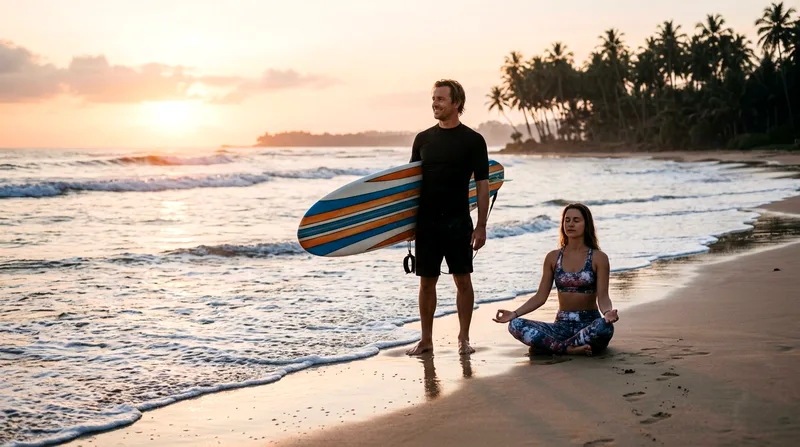
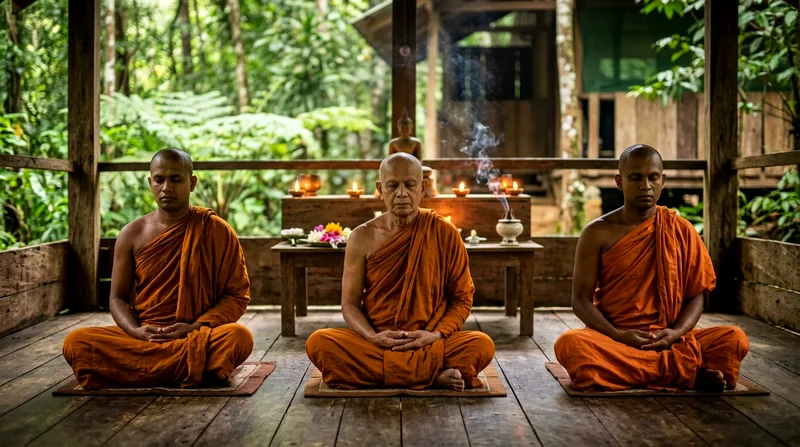
A typical seven-night retreat price covers four cost blocks: accommodation, food, the yoga program itself (usually two sessions a day — a sunrise practice and an evening restorative or yin class), and some form of welcome or closing ceremony. Beyond that, everything is negotiable by retreat. A place in Hikkaduwa running a surf-and-yoga hybrid will price differently from a silent-retreat operation near Kandy's hill country, even if both call themselves "yoga retreats."
Platforms like BookRetreats, Tripaneer and Retreat.guru aggregate hundreds of Sri Lankan listings, which makes them useful for scanning price ranges fast — but the quoted number on the listing page is rarely the final number you pay. Always click through to the retreat's own inclusions list rather than trusting the aggregator's summary card.
What is typically included
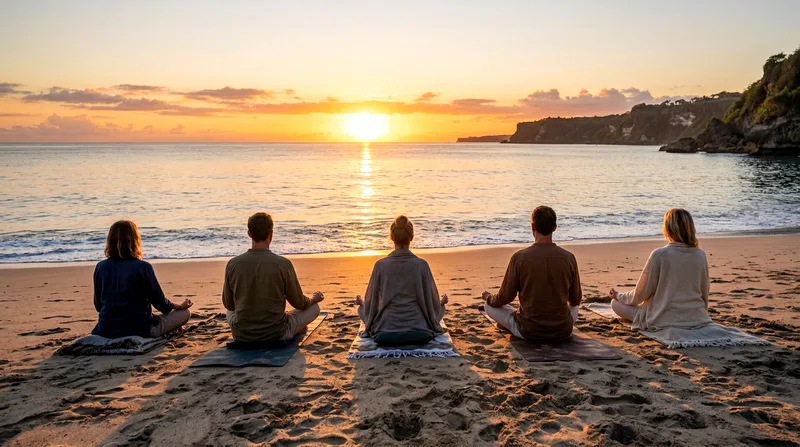
Most mid-range and luxury packages include accommodation, three vegetarian meals a day, two daily yoga sessions, one or two guided excursions (a waterfall hike, a tea plantation visit, a local market trip), and airport pickup from Colombo's Bandaranaike International. Teacher-led meditation or breathwork sessions are usually folded in rather than charged separately. Budget retreats tend to strip this back to just the room, meals and classes — fine if you're happy to arrange your own sightseeing and transport.
Hidden costs not in the quoted price
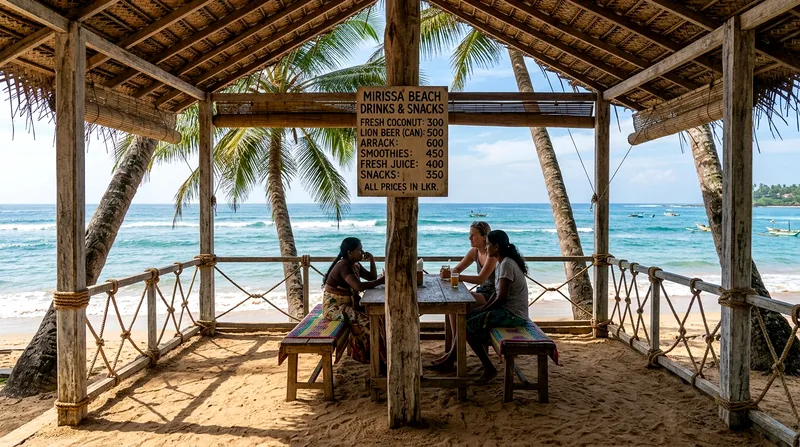
Watch for these exclusions, which rarely appear on the headline price: airport transfers beyond a single pickup, massage or Ayurveda treatments (often framed as "optional" but heavily marketed on arrival), alcohol and bottled water, laundry, travel insurance, Sri Lanka's tourist visa (an Electronic Travel Authorization, generally a modest fixed fee paid online before arrival), and tips for teachers and staff. Some retreats also charge separately for single-supplement room upgrades or for extra excursions beyond the one or two included in the base package. Ask for an itemized list before you book — a retreat that won't give you one is a mild red flag.
Sri Lanka Yoga Retreat Price Tiers
Retreat pricing in Sri Lanka roughly splits into three bands, and the difference between them is less about yoga quality and more about accommodation standard, meal sophistication, and staff-to-guest ratio. A skilled teacher can run a strong class in a budget guesthouse or a luxury villa — the price tier mostly buys comfort around the practice, not the practice itself.
Budget retreats, often run by smaller operations like Lanka Yoga or independent guesthouses along the south coast, strip things down to shared dorm-style or basic private rooms, simple home-style vegetarian food, and minimal extras. Mid-range retreats — the largest segment, and where most first-timers land — add private en-suite rooms, a wider food menu, a couple of excursions, and a more polished shala setup. Luxury retreats, the kind you'll see from places positioning themselves as wellness resorts rather than guesthouses, add private villas or pool-view rooms, Ayurveda consultations, daily spa treatments, and smaller group sizes.
Budget, mid-range and luxury retreats in Sri Lanka differ mainly in room standard and extras, not in core yoga programming.
Sri Lanka yoga retreat price tiers compared by inclusions and best fit
| Tier | Typical room type | What's usually included | Best for |
|---|---|---|---|
| Budget | Shared or basic private | Room, meals, 2 daily classes | Solo travelers, longer stays |
| Mid-range | Private en-suite | Above + 1-2 excursions, varied menu | Couples, first-time retreat-goers |
| Luxury | Private villa or pool-view | Above + Ayurveda, spa, small groups | Honeymooners, special occasions |
| Drop-in / no-stay | Not included | Single class or workshop only | Travelers already touring Sri Lanka |
Approximate tiers only — always confirm exact inclusions and current rates directly with the retreat before paying.
Budget, mid-range and luxury compared
Think of it in relative terms rather than fixed numbers, since rates shift with season and group size. A budget week-long retreat sits at the low end of the market — comparable to what you'd pay for a basic Bali or Kerala ashram stay. Mid-range Sri Lankan retreats typically run two to three times that budget figure, reflecting private rooms and a fuller excursion program. Luxury retreats — think properties like Sen Wellness Sanctuary near Galle, which leans into spa and Ayurveda programming — can run four to six times the budget rate, closer to what you'd pay for a high-end Ubud retreat in Bali, though still generally less than comparable luxury wellness packages in the Maldives.
Shared vs private room differences
Room type moves the price more than almost any other variable. Opting for a shared room — common at budget operators and some mid-range retreats aimed at solo travelers — can cut the accommodation portion of your bill by a third to a half compared to a private room at the same property. If you're traveling solo and comfortable sharing, this is the single easiest lever to pull. Couples naturally default to private rooms, but it's worth asking whether the retreat offers a "twin room, booked solo" rate if you want privacy without paying the full single-supplement premium that some properties, including Rekawa Wellness Resort-style coastal retreats, apply to solo travelers in high season.
Legitimate Ways to Save
Forget discount codes — the durable ways to lower your Sri Lanka yoga retreat cost are structural, and they work every season, not just during a sale window.
Off-season timing and shorter stays
Sri Lanka has two monsoon systems, which actually works in your favor if you're flexible. The southwest coast (Hikkaduwa, Galle, Mirissa) gets its rain roughly May to September, while the east coast (Trincomalee, Arugam Bay) is wetter from October to January. Retreats on the south coast often lower rates in their shoulder months — April or October — when the weather is transitional but still workable, rather than during peak December–March season when European and world travelers flood in to escape northern winter. Booking a 4- or 5-night retreat instead of a full week, or stacking two short retreats in different regions instead of one long one, also reduces the all-in cost since most pricing isn't perfectly linear — nightly rates often drop the longer you stay, but a shorter stay still avoids paying for a seventh or eighth day you might not need.
Drop-in classes and early booking
If you're already traveling Sri Lanka's south coast for surfing in Hikkaduwa or Weligama, skip the full residential retreat and pay for drop-in classes instead — many retreat centers sell single sessions or day passes to non-guests for a fraction of the multi-day package price. This suits surfers and anglers basing themselves near Mirissa or Arugam Bay who want yoga as a recovery add-on, not the main event. Separately, booking three to six months ahead through platforms like BookRetreats or directly with the retreat generally secures better room categories and avoids the premium that comes with last-minute, high-season availability — not a discount exactly, but the same effect on your wallet.
What Not to Skimp On
Cutting costs is smart; cutting corners isn't. There are two areas where going cheap can cost you more later — your health and your money if plans change.
Teacher quality, safety and cancellation terms
Don't book a retreat purely because it's the cheapest result on an aggregator. Check whether teachers hold a recognized certification (commonly a 200-hour or 500-hour Yoga Alliance credential) and whether the retreat states its teacher-to-student ratio — a crowded shala with one instructor for twenty people isn't a retreat, it's a gym class with incense. Also verify basic safety infrastructure: is there a first-aid trained staff member on-site, and what's the protocol if someone needs a hospital in Galle or Colombo? I'd also avoid any retreat that can't clearly state its cancellation and refund policy before you pay a deposit — vague answers here are the biggest red flag in the whole booking process, more telling than room photos or glowing testimonials.
Booking Checklist Before You Pay
Treat the final booking step like due diligence, not a formality. A few direct questions to the retreat, asked by email before you commit, save more money and stress than any seasonal discount.
Questions to ask the retreat
Ask exactly what's included in the quoted price — room, meals, classes, airport transfer, excursions — and get it in writing, not just verbally confirmed. Ask about the single-supplement fee if you're traveling solo and want a private room. Ask how many other guests will be there during your dates; group size changes the experience more than the brochure suggests. Ask whether yoga mats, props and water are provided or whether you need to bring your own. And ask what happens if the retreat itself cancels due to low numbers — a real risk at smaller operations during shoulder season.
Payment plans and refund policies
Most retreats require a deposit — commonly 20-30% of the total price — to hold your spot, with the balance due somewhere between 30 and 60 days before arrival. Some mid-range and luxury operators offer installment plans through booking platforms like Tripaneer, which can help spread cost without taking on debt. Refund policies vary sharply: some retreats refund the deposit if you cancel 60+ days out, others treat it as non-refundable from the moment you pay. Always pair your retreat booking with travel insurance that explicitly covers trip cancellation — the premium is small next to losing a non-refundable deposit on a luxury package.
Frequently asked questions
What is the average cost of a yoga retreat in Sri Lanka?
There's no single average worth quoting, because budget, mid-range and luxury retreats sit at very different price points for a seven-night stay. Budget retreats are priced closer to a basic guesthouse stay in Kerala or Bali; mid-range runs two to three times that; luxury retreats with Ayurveda and spa programming can run four to six times the budget rate. Always compare the per-night figure after confirming exactly what's included, not just the headline total.
What is included in a Sri Lanka yoga retreat price?
Most packages cover accommodation, three daily vegetarian meals, two daily yoga sessions, and sometimes one or two excursions plus an airport pickup. What's usually excluded: alcohol, spa treatments, laundry, tips, travel insurance, and the Sri Lankan Electronic Travel Authorization fee. Get an itemized inclusions list in writing before paying a deposit.
How can I save money on a yoga retreat in Sri Lanka?
Travel in shoulder season (April or October on the south coast), choose a shared room if you're solo, book a shorter 4-5 night stay instead of a full week, or use drop-in classes if you're already in the area for surfing or sightseeing. Booking several months ahead also tends to secure better room categories at the same rate.
Do yoga retreat prices change by season in Sri Lanka?
Yes. Peak season (roughly December to March) on the south and west coasts draws the most European and world travelers escaping winter, so rates run highest then. Shoulder months like April and October often see lower rates with still-workable weather, while the main monsoon windows (May-September on the southwest coast, October-January on the east coast) are cheapest but riskiest for consistent weather.
Are payment plans available for yoga retreats in Sri Lanka?
Many mid-range and luxury retreats, especially those listed through platforms like BookRetreats or Tripaneer, accept a deposit (often 20-30%) with the balance due 30-60 days before arrival, and some offer installment options. Always confirm the refund policy in writing and pair the booking with cancellation-inclusive travel insurance.