Compare the best Sri Lanka surf and yoga retreat options on the south and east coasts, from Weligama to Arugam Bay, with tips for solo travellers.
Who Surf and Yoga Retreats Suit
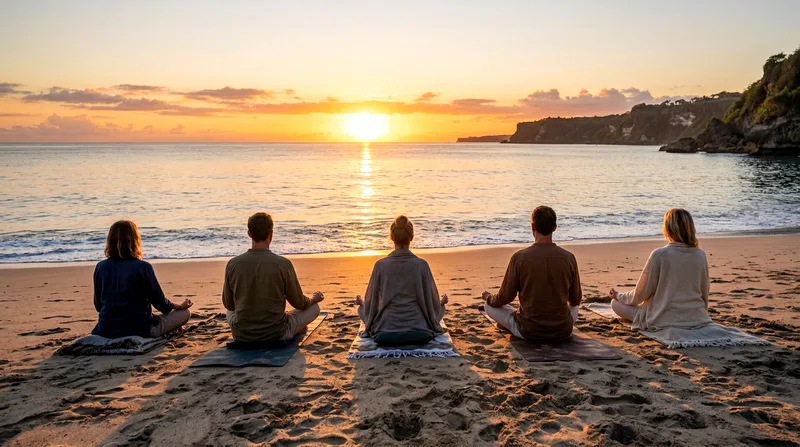
A Sri Lanka surf and yoga retreat works best for someone who wants structure without a rigid itinerary — mornings in the water, afternoons free, evenings on a mat watching the light go off the ocean. It suits people traveling without a ready-made group, since most camps are built around shared accommodation, communal meals and a daily schedule that naturally throws solo guests together. It does not suit someone who wants total independence or silence at breakfast; these places are sociable by design, sometimes loudly so.
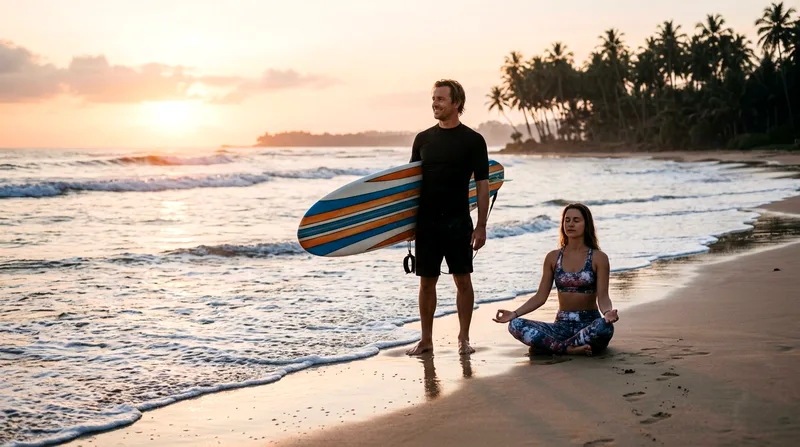
The pairing of surf and yoga isn't just marketing. Surfing hammers the shoulders, lower back and hip flexors, and a 60-90 minute yoga session in the evening is genuinely useful for recovery, not just a wellness add-on. Camps that treat yoga as an afterthought — a single sunrise class tacked onto a surf-focused week — are less useful to anyone actually sore from three sessions a day.
Solo Travellers and First-Timers
If you're traveling alone, a group camp with shared dorms or twin rooms is the better value and the better experience — you'll eat dinner with six to fourteen other guests, most of them also solo, and the awkward first-night small talk dissolves fast once everyone's compared sunburn. Look for camps that explicitly list solo-friendly room configurations rather than assuming twin-share with a stranger you've never met; some will match you, others charge a single supplement that can add 20-40% to the room cost. First-timers should prioritize beginner-friendly beach breaks over point breaks — Weligama's long, forgiving sandbar wave is a far better teaching environment than Arugam Bay's reef point, which rewards experience you won't have yet.
Improvers and Returning Surfers
Surfers who already stand up and turn but want to tighten technique should look past the generic "beginner retreat" marketing and check for coaching credentials and video analysis sessions — some camps film sets and review them over lunch, which matters more at this stage than another static pop-up drill. Returning surfers often do better at Ahangama or Midigama, a short tuk-tuk ride from Weligama, where the breaks are punchier and the crowd thinner. If you're chasing reef breaks and longer rides, an Arugam Bay stint in season suits improvers better than the mellow south coast sandbanks, which can start to feel repetitive after a few days.
Main Retreat Types Compared
Not every Sri Lanka surf and yoga retreat follows the same model, and the differences matter more than which beach it's on. The two big splits are group camp versus private villa, and surf-led versus yoga-led programming. Get this wrong and you'll either overpay for privacy you don't need or end up in a group setting when you wanted quiet.
Social Group Camps vs Private Villa Retreats
Group camps — the model used by most operators marketed as a "surf yoga camp Weligama" style package — house 10 to 30 guests in shared villas or guesthouses, with communal meals, a fixed daily schedule and a strong social current running through the week. They're cheaper per person, better for solo travelers, and the coaching is usually split into small groups by ability (typically four to six surfers per instructor). The trade-off is noise, shared bathrooms in budget options, and less flexibility if you want to skip a session.
Private villa retreats, often booked by couples or small friend groups, rent an entire property with a private pool and a yoga instructor who comes to you, plus one-on-one or small-group surf coaching arranged separately. Expect to pay a multiple of the group camp rate — these are villa rentals with add-on instruction, not fixed-price packages — and to do more of the organizing yourself, since fewer operators run turnkey private villa programs compared to group camps. Fine if you want control over the schedule; a poor fit if the appeal was meeting other travelers.
Surf-Led vs Yoga-Led Programmes
Surf-led camps schedule two surf sessions a day around tide and swell, with yoga offered once daily as recovery — good for anyone whose main goal is surfing more and better. Yoga-led retreats flip the ratio: one surf session, sometimes optional, built around a structured yoga curriculum (vinyasa in the morning, restorative or yin in the evening), often with a visiting teacher running a specific style for the week. Some operators, including brands positioned explicitly as "surf and yoga" rather than surf camps with yoga bolted on, balance the two more evenly — check the published daily schedule rather than the homepage copy, since the two can differ.
South Coast vs East Coast Camps
This is the decision that matters most, more than which specific camp you pick. Sri Lanka's two coasts face opposite monsoon systems, which means the surf season — and by extension the whole retreat calendar — runs in reverse between them. Booking the wrong coast for the wrong month gets you a yoga holiday with flat, wind-blown water instead of a surf retreat.
South coast camps suit beginners and solo travelers from November to April, while Arugam Bay suits improvers chasing a proper point break from May to September.
Sri Lanka surf and yoga retreat types compared by coast, coaching and vibe
| Retreat Type | Best Season | Wave Type | Coaching Level | Social Vibe |
|---|---|---|---|---|
| South coast group camp (Weligama) | Nov-Apr | Sandy beach break | Beginner-friendly | High, solo-friendly |
| South coast improver spot (Ahangama) | Nov-Apr | Beach and reef break | Beginner to intermediate | Moderate to high |
| Quiet south coast retreat (Talalla) | Nov-Apr | Beach break | Beginner-friendly | Low to moderate |
| East coast camp (Arugam Bay) | May-Sep | Right-hand point break | Intermediate to advanced | Moderate |
| Private villa retreat (either coast) | Matches coast season | Varies, off-site lessons | Flexible, 1-on-1 available | Low, private |
Seasonal windows are typical patterns, not guarantees; swell and wind vary year to year, so check recent surf reports before booking.
Weligama, Ahangama and Mirissa Camps
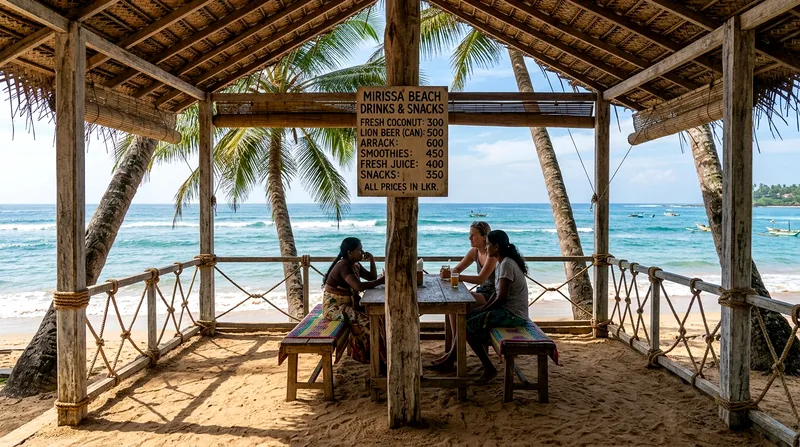
The south coast corridor running from Weligama through Ahangama to Mirissa, with Talalla a quieter outpost further east along the same stretch, is where most Sri Lanka surf and yoga retreat operators are concentrated — names like Soul & Surf, Surf N Yoga Sri Lanka and The Salty all run programs somewhere along this strip. Weligama's bay is the country's best learner wave: wide, sandy-bottomed, forgiving of mistakes. Ahangama, ten minutes away, has punchier beach and reef breaks better suited to improvers. Mirissa adds a livelier nightlife scene, which some solo travelers want and others find distracting from an early surf schedule. Talalla is the pick if you want the retreat atmosphere without the backpacker bar noise — fewer camps, quieter beach, less to do after dark.
The south coast season runs roughly from November to April, which is also peak tourist season generally, so accommodation and flights cost more and camps fill earlier.
Arugam Bay Yoga and Surf Camps
Arugam Bay, on the east coast, flips the calendar: its season runs roughly May to September, catching the swell the south coast misses during its off-season. The wave itself is a proper right-hand point break, longer and more demanding than Weligama's beach break — genuinely one of Asia's better-regarded point breaks for intermediate and advanced surfers, though less forgiving for absolute beginners than the south coast options. Arugam Bay yoga and surf camps, including operators like Surf Spirit Sri Lanka, tend to run a slightly different vibe — more surf-focused, fewer dedicated multi-day yoga retreat packages than the south coast's denser retreat market, though that's changed as the area has grown. Fewer camps overall means less choice if the first one you find is full, so start checking availability early if Arugam Bay in July or August is the plan.
What to Look for When Booking
Marketing photos of yoga on a deck at sunset look the same everywhere. What actually determines whether a week is good value is coaching ratios, what's genuinely included, and how the operator handles the logistics around your stay.
Coaching Ratios, Inclusions and Meals
Ask directly how many surfers are assigned per instructor — a ratio of 1:4 or better is reasonable for beginners; anything above 1:8 means you'll spend more time watching than surfing. Check whether board and wetsuit rental (rarely needed in Sri Lanka's warm water, but useful for reef breaks) is included or billed separately, and whether yoga is led by a certified teacher with a stated style, not just "daily yoga" with no detail. Meals matter more than people expect: most camps include breakfast and dinner, with lunch left to guests to buy locally, which is fine and often cheaper than an all-inclusive meal plan, but confirm this before assuming three meals a day are covered. Platforms like BookYogaRetreats list many south coast and Arugam Bay programs side by side with recent guest reviews, which is a reasonable way to cross-check an operator's claims against what past guests actually experienced.
Cancellation Terms and Airport Transfers
Read the cancellation policy before paying a deposit — many retreats require 50% upfront and the balance 30-60 days out, non-refundable past a certain cutoff, which matters given Sri Lanka's occasional weather disruptions and the general unpredictability of long-haul travel planning. Confirm whether airport transfer from Colombo's Bandaranaike International Airport is included; it's roughly a 2.5-3 hour drive to the south coast and 6-7 hours to Arugam Bay, and camps that don't include transfer leave you arranging a taxi or a shared shuttle yourself, which is manageable but an added cost and hassle after a long flight.
When to Book Your Retreat
Timing a Sri Lanka surf and yoga retreat is really two decisions: which months suit the coast you want, and how far ahead you need to reserve a spot before the good camps fill.
Seasonal Windows for Each Coast
The best time for a surf retreat in Sri Lanka depends entirely on which coast you've chosen. South coast spots — Weligama, Ahangama, Mirissa, Talalla — have their driest, most consistent swell from December through March, with November and April as decent shoulder months that are cheaper and less crowded. Arugam Bay's season runs the opposite way, best from June through August, with May and September as shoulder months worth considering if you want lower prices and don't mind slightly less reliable swell. Booking a south coast retreat in August, or an Arugam Bay one in January, isn't a disaster — you can still practice yoga and get some flat-water paddling in — but you're paying for a surf retreat without reliable surf.
How Far Ahead to Reserve
Popular south coast camps in peak December-February weeks can fill two to three months ahead, especially camps with single rooms or a strong reputation on review platforms. Arugam Bay has fewer camps competing for the June-August window, so book at least a month out, earlier if you want a specific room type or a particular coaching program. Last-minute bookings are possible on both coasts outside peak weeks — useful if you're already traveling in Sri Lanka and decide to add a retreat — but always compare current prices and availability directly with the operator or through a booking platform before committing, since rates shift with season and demand.
Frequently asked questions
Are surf and yoga retreats in Sri Lanka suitable for beginners?
Yes, particularly on the south coast. Weligama's beach break is wide, sandy-bottomed and slow-breaking, which is about as forgiving as a learner wave gets. Most group camps structure the first two or three days around pop-up drills in whitewater before paddling further out, and yoga sessions are usually pitched at a mixed-level crowd rather than assuming prior practice. Arugam Bay's point break is tougher for total beginners, so start on the south coast if you've never stood on a board.
Which coast is better for a surf and yoga retreat?
Neither is objectively better — it depends on season and skill level. The south coast (Weligama, Ahangama, Mirissa, Talalla) suits beginners and solo travelers from November to April, with more camps, more social options and easier access from Colombo. Arugam Bay suits improving and advanced surfers from May to September, with a more serious wave and a smaller, more surf-focused retreat scene.
What is the best month to surf in Sri Lanka?
There isn't one single best month because the two coasts run opposite seasons. For the south coast, January and February usually offer the most consistent swell and driest weather. For Arugam Bay, July is typically the most reliable month, sitting in the middle of its June-to-August peak window.
What is included in an all-inclusive surf and yoga retreat?
Typically shared or private accommodation, daily surf coaching in small groups, board rental, daily yoga sessions and breakfast plus dinner. Lunch, airport transfers, wetsuit hire (rarely needed here) and massage or spa add-ons are often extra. Always check the specific inclusions list before booking rather than assuming "all-inclusive" covers every meal and activity.
How long should I stay at a surf and yoga retreat?
One week is the standard program length and enough time to see real progress if you're a beginner, since muscle memory for pop-ups and paddling builds fastest with daily repetition. Ten to fourteen days suits improvers who want to also explore nearby breaks on rest days. Anything under five days rarely allows enough sessions to notice meaningful improvement.