Compare Sri Lanka meditation retreats, from donation-based forest monasteries to guided mindfulness stays, and find the right fit for beginners or experienced meditators.
Which Retreat Suits Which Meditator
Sri Lanka has had an unbroken Theravada Buddhist tradition for over two thousand years, and that history shows in how seriously its monasteries treat meditation practice. This isn't a wellness-industry add-on — it's the core activity, and the facilities often reflect that: simple, sometimes basic, built for practice rather than comfort. A sri lanka meditation retreat can mean anything from three nights in a guest house with twice-daily guided sits to a month of total silence inside a forest monastery compound where you barely speak to anyone.
The right choice depends almost entirely on your experience level and how much structure you want stripped away. A beginner meditation retreat sri lanka search often turns up the same handful of names — Nilambe, various Kandy-area centres, coastal yoga-meditation hybrids — and for good reason: they're set up to receive people who've never sat for more than ten minutes before. Experienced practitioners tend to look past these toward stricter forest monasteries where the daily schedule assumes you already know what you're doing.
I'd push back on the common advice to "just pick whichever centre looks nicest online." Aesthetics tell you almost nothing useful here. What matters is the daily schedule, whether teaching is in English, how much silence is enforced versus optional, and how isolated the location is — because a retreat an hour from Kandy with weekend transport links is a very different proposition from a monastery accessible only by a forty-minute walk from the nearest road.
First-time and beginner meditators
If you've never done a structured sit longer than a guided app session, start with a guided mindfulness stay rather than a silent vipassana centre. Places like Nilambe Buddhist Meditation Centre, above Kandy, are often recommended specifically because they take walk-ins and offer gentle daily structure — morning and evening sits, basic vegetarian meals, dormitory-style rooms — without demanding total silence from day one. Three to five nights is a sensible first exposure. Going in cold for a ten-day silent course is a common mistake; many beginners leave on day three, frustrated rather than calmer, because nobody warned them how physically uncomfortable long sitting periods can be on unfamiliar floor cushions.
Experienced practitioners seeking silence
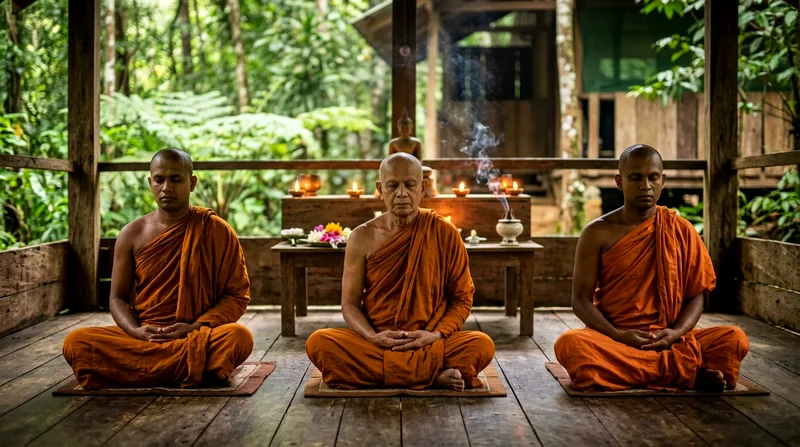
If you've sat a ten-day vipassana course before — anywhere, not necessarily in Sri Lanka — forest monasteries such as Rideekanda Forest Monastery in the hill country near Kandy offer something closer to the real monastic schedule: pre-dawn starts, strict noble silence, minimal furniture, and teaching that assumes familiarity with technique rather than explaining it from scratch. These stays run on donation (dana) rather than a fixed fee, which suits practitioners who find commercial retreat pricing at odds with the tradition itself. Expect no air conditioning, limited hot water, and a real possibility that your only English-speaking contact is the resident teacher.
Main Types of Meditation Retreat Compared
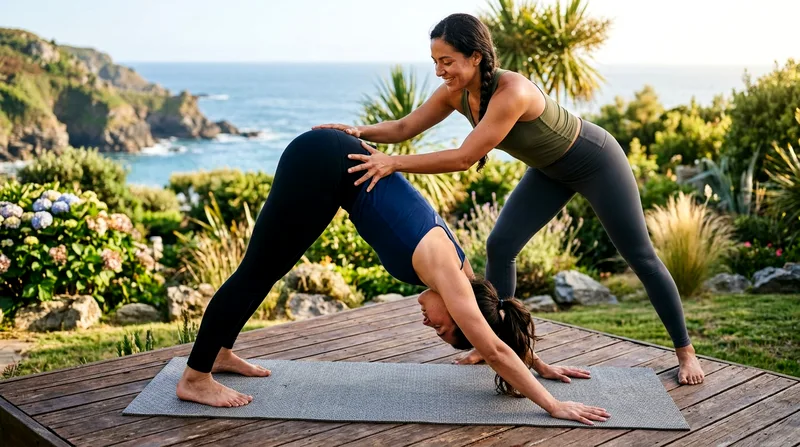
Retreat centres in Sri Lanka generally fall into four categories, and conflating them is the single most common booking mistake. Donation-based forest monasteries sit at one end — austere, silent, teacher-led, often with no fixed cost. Silent vipassana centres following the Goenka-style ten-day structure sit nearby but are more standardized: same daily timetable everywhere in the world, no customization, strict rules against yoga, reading or writing during the course. Guided mindfulness stays occupy the middle ground — structured but softer, usually with some conversation permitted and a shorter minimum stay. Yoga-meditation hybrids, often found along the south coast, blend asana practice with lighter meditation instruction and are the most comfortable, least intensive option of the four.
Donation-based forest monasteries offer the strictest, most traditional practice, while yoga-meditation hybrids give the gentlest, most comfortable introduction.
Sri Lanka meditation retreat types compared by tradition, structure and cost
| Retreat Type | Typical Duration | Structure | Best For | Cost Model |
|---|---|---|---|---|
| Donation-based forest monastery | 3 days to several weeks | Strict, silent, teacher-led | Experienced practitioners | Dana (voluntary donation) |
| Silent vipassana centre | 10 days standard | Fixed Goenka-style timetable | Those with prior course experience | Donation-based, no fee charged |
| Guided mindfulness centre | 2 to 7 nights | Structured but flexible | Beginners, curious travelers | Fixed fee covering stay and meals |
| Yoga-meditation hybrid | 3 to 10 nights | Light meditation plus asana | Couples, wellness-focused travelers | Fixed package fee |
Durations and structures vary by centre; always confirm the current schedule and any entry requirements directly before booking.
Comparison table: tradition, structure, intensity, cost model
Use the table below as a starting filter, then read the centre's own description of its daily schedule before booking — some monasteries are stricter than their category suggests.
Vipassana and Theravada practice styles
Vipassana sri lanka retreats mostly draw on Theravada Buddhist technique — observing breath and bodily sensation without reacting — rather than the mantra-based or devotional styles found elsewhere in Asia. This matters if you've practiced in a different tradition before: a Theravada teacher at a Sri Lankan forest monastery will likely correct you if you bring in visualization or chanting-heavy habits from, say, a Tibetan or Zen background. Compared with vipassana retreats in India or Nepal, Sri Lankan centres tend to be smaller and less institutionalized — fewer centres, more variation in how strictly each one runs, and far less English-language signage, so arriving with some background reading helps.
Forest Monasteries vs Guided Mindfulness Stays
The practical difference between these two categories isn't just intensity — it's who's running the place and why. A buddhist meditation retreat sri lanka at a forest monastery is run by monks for whom teaching lay visitors is a secondary role; the monastery exists whether or not you show up. A guided mindfulness centre, by contrast, is often run specifically as a retreat business or foundation, which means more predictable scheduling, clearer English communication, and sometimes a named program director you can email in advance. Neither is better outright — it depends whether you want to drop into an existing monastic rhythm or want something designed around visiting practitioners.
Donation-based monastery stays and etiquette
At a forest monastery retreat sri lanka stay, dana (donation) replaces a fixed price — you give what you can afford or what feels appropriate, not a negotiated fee. This system only works if visitors don't treat it as a free holiday; a donation in the range of what you'd pay for modest guest house accommodation per night is a reasonable guide, though some visitors give more, knowing the monastery supports resident monks year-round. Etiquette matters more here than at commercial centres: modest dress covering shoulders and knees, no physical contact with monks (this applies strictly to women, who should maintain distance and avoid direct hand-to-hand contact), and removing shoes before entering halls. Mahamevnawa, with branches including one near Matale, runs a more structured and larger-scale version of this monastic model, with clearer visitor programs than smaller, more remote forest hermitages.
Hill-country and coastal mindfulness centres
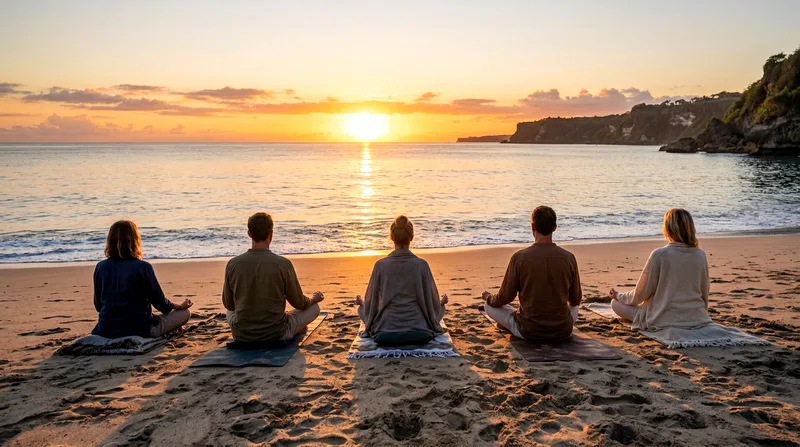
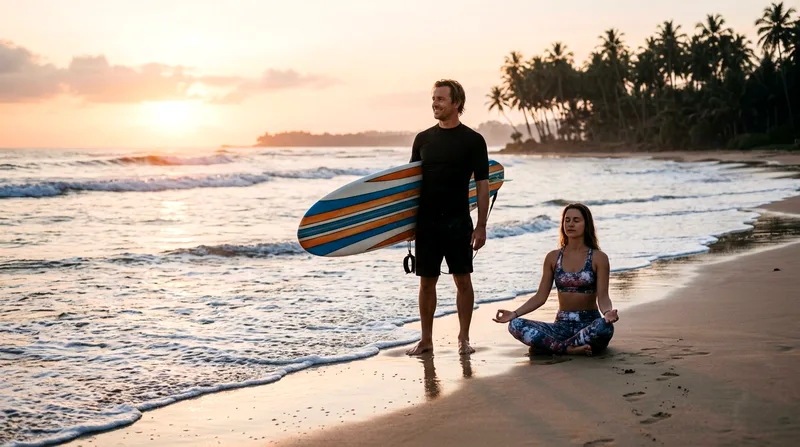
Hill-country centres around Kandy benefit from cooler temperatures — useful when you're sitting still for hours — and easier access to transport, making them a practical choice for a first or second retreat. Centres such as Nisala Foundation and Sanatha Suwaya represent this gentler, more wellness-oriented end of the spectrum, often blending meditation instruction with yoga or nature time rather than running a purely monastic schedule. Coastal options, including places like Soul and Surf on the south coast, take the hybrid idea further — pairing lighter meditation sessions with surf lessons and yoga, which suits couples or solo travelers who want balance rather than full immersion. I'd avoid booking a coastal hybrid if deep practice is your actual goal; the surf and social atmosphere work against the quiet you're there for.
What to Look for When Booking
Retreat descriptions online rarely tell you everything, and the gap between marketing copy and lived reality is usually biggest around comfort levels. Before committing to any silent meditation retreat sri lanka option, get specific answers on food, sleeping arrangements, and what happens if you want to leave early — some stricter monasteries discourage this once a course has begun, and Goenka-style ten-day courses explicitly require a commitment not to leave before the final day except in genuine emergencies.
Inclusions, dress code, meals and accommodation
Most centres provide two vegetarian meals a day — Theravada tradition typically skips dinner, offering only tea or fruit after midday, which surprises visitors expecting three meals. Accommodation ranges from shared dormitories at guided centres to a single kuti (a small meditation cell, sometimes with just a mat, mosquito net and a view over tea country) at forest monasteries. Dress code is near-universal: white or plain modest clothing, shoulders and knees covered, no shoes indoors. Bring your own towel, torch and insect repellent — remote hill-country monasteries rarely stock these, and evening power cuts aren't unusual.
Group size, teacher guidance and cancellation terms
Guided centres often cap groups at ten to twenty participants, letting the teacher give individual feedback during daily interviews — ask specifically whether one-on-one guidance is included or only group instruction. Forest monasteries vary wildly: some host just two or three lay visitors at a time, others considerably more during retreat seasons. Cancellation terms differ sharply from typical tourism bookings — donation-based monasteries often have no formal refund policy since no fee was paid upfront, while fixed-fee centres usually require a deposit with partial refund windows. Always confirm this directly with the centre rather than assuming standard travel-booking rules apply.
When to Book and Best Time to Go
Timing a sri lanka meditation retreat around the country's two monsoon systems matters more than most visitors realize, since sitting halls with open-air designs offer little protection from heavy rain and the humidity it brings.
Seasons and regional weather
The hill country around Kandy, Nilambe and Rideekanda sees its wetter period roughly from October through January, while the drier, cooler months from December through March suit longer silent stays best — cooler air makes early-morning and late-evening sits far more comfortable. The south-coast hybrid centres follow the opposite monsoon pattern, so a Soul and Surf-style stay works better from November through April when the southwest coast is driest. Avoid booking a hill-country forest monastery stay in October if you can help it; persistent rain on tin or tile roofing make sleep difficult and paths muddy for walking meditation.
Lead times and visa basics
Fixed-fee guided centres and yoga hybrids often fill up two to three months ahead during peak season (December to March), so book that far out if your dates are fixed. Donation-based monasteries are more flexible — many accept visitors with a week or two's notice by email, though longer stays of a month or more sometimes need a personal introduction or recommendation from a previous teacher. Most nationalities need Sri Lanka's Electronic Travel Authorisation before arrival, valid for a short-term tourist stay; if your retreat plans run long, check current visa extension rules rather than assuming the standard tourist period covers a month-long monastery stay.
Frequently asked questions
How much do meditation retreats cost in Sri Lanka?
Donation-based monasteries have no fixed price — you give what feels right, often comparable to a modest guest house rate per night. Fixed-fee guided centres and yoga-meditation hybrids charge a package rate covering accommodation and meals, generally positioned below equivalent wellness retreats in Bali or Thailand. Always check current prices directly with the centre, since donation guidance and package rates both change.
Are there Sri Lanka meditation retreats suitable for beginners?
Yes — guided mindfulness centres and yoga-meditation hybrids are built for first-timers, with shorter stays, softer schedules, and English-language instruction. Nilambe, near Kandy, is frequently recommended as an accessible starting point. Avoid booking a strict silent vipassana course or remote forest monastery as your very first retreat; the intensity and isolation catch most beginners off guard.
What is the difference between silent and guided retreats?
Silent retreats enforce noble silence throughout — no talking, eye contact, or reading — and follow a fixed daily schedule, as in classic ten-day vipassana courses. Guided retreats allow some conversation, offer more flexible timetables, and give teachers room to adapt instruction to individual beginners rather than running one standardized program.
What is usually included in a meditation retreat stay?
Expect basic accommodation (dormitory, shared room, or a simple monastic cell), two vegetarian meals daily with little or nothing after midday at stricter centres, and daily guided or silent sitting sessions. Bedding, towels, and toiletries are often not provided at forest monasteries, so pack your own.
How do I book a meditation retreat in Sri Lanka?
Contact the centre directly by email well ahead of peak season (December to March) for guided or hybrid centres; donation-based monasteries often accept shorter notice but may ask about prior meditation experience first. Confirm dress code, meal structure, and cancellation terms before traveling, and compare current reviews and any listed prices before you book.