Explore yoga in Sri Lanka: main styles, best seasons by region, and where to join drop-in classes in Ella, the south coast and beyond.
Sri Lanka Yoga: Styles, Seasons and Drop-In Classes
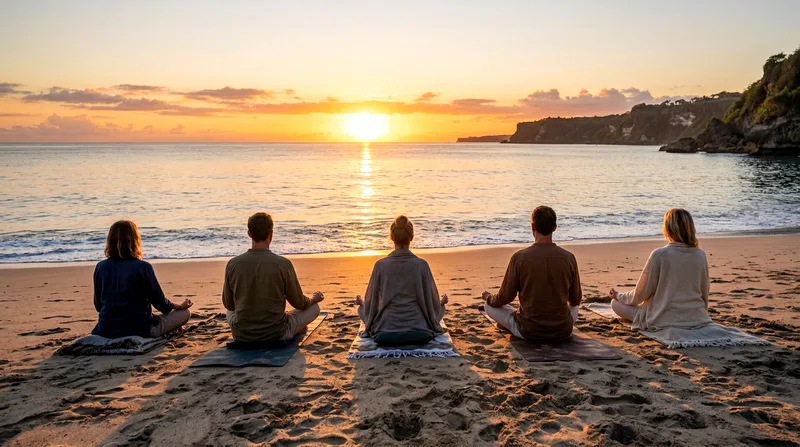
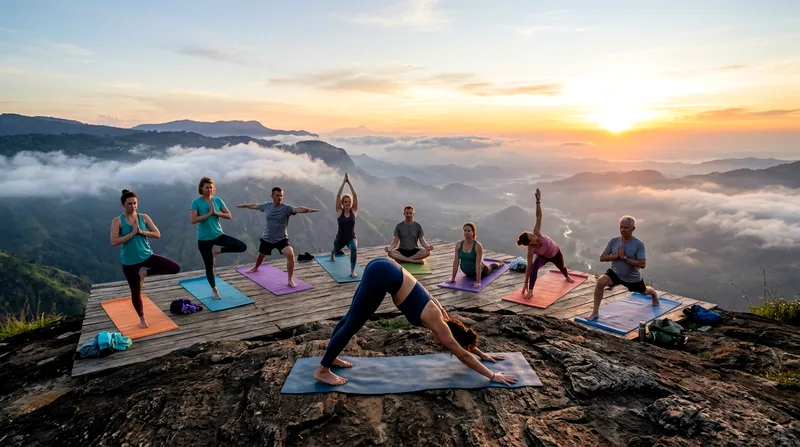
Picture a sunrise practice on a platform above tea hills, or a sunset session on a wooden deck with the Indian Ocean doing the work your mind usually does. Sri Lanka yoga has grown well beyond the retreat circuit — you'll find drop-in classes in Ella, Mirissa, Weligama and Unawatuna, plus proper Ayurvedic centers in the hill country that pair treatment with practice. This matters because most visitors don't want to commit a week and several hundred dollars to a fixed retreat schedule; they want one or two classes a day woven around hiking, surfing or a safari.
The honest take: Sri Lanka isn't Rishikesh and it isn't Ubud. There's no single yoga capital with fifty studios on one street. What it has instead is a scattered network of guesthouses, small shalas and wellness resorts, each with its own rhythm, plus a genuine Ayurvedic tradition that long predates the yoga-tourism wave. If you go in expecting Bali-level studio density, you'll be disappointed. If you go in expecting a few good teachers in beautiful settings, you'll do well.
Yoga Styles You'll Find in Sri Lanka
Most classes advertised as Sri Lanka yoga fall into three broad camps: Hatha, Vinyasa and Iyengar, often taught by instructors trained in India or by long-term foreign residents who settled on the island. Hatha dominates at guesthouse-level drop-ins because it's slower, easier to teach to mixed-ability groups, and doesn't require the studio space a fast Vinyasa flow benefits from. Vinyasa shows up more at surf towns, where instructors build classes around shoulder and hip mobility for people spending hours paddling.
Hatha, Vinyasa and Iyengar
Hatha classes in Sri Lanka tend to run 60-75 minutes, with a slow pace suited to first-timers, seniors, or anyone coming off a long travel day. Vinyasa sessions, more common in Weligama and Mirissa, move faster and assume some base fitness — useful if you're also surfing, since the sun salutations double as a warm-up. Iyengar is rarer but not absent; a handful of studios and retreat centers use props — blocks, straps, bolsters — for precise alignment work, which suits travelers recovering from injury or those who find flow yoga too loose. If alignment matters to you, ask before booking whether the teacher trained specifically in Iyengar method rather than just owning a few props.
Fusion Practices and Qi Gong
Wellness resorts increasingly mix yoga with Qi Gong, sound healing or breathwork sessions, particularly in the hill country where cooler mornings suit slower, meditative movement. Santani Wellness Resort near Kandy is the clearest example — its program blends yoga with Qi Gong and Ayurvedic consultation rather than offering yoga as a standalone product. This fusion approach works well for travelers who find pure asana practice limiting, but it's not for purists who want a straight Ashtanga or Iyengar class without extras bolted on.
Where to Practise: Regions and Hubs
Three regions carry most of the yoga activity: the hill country around Ella and Kandy, the south coast beach towns, and a smaller cluster on the west coast near Colombo and Negombo. Each has a different character, and picking the wrong one for your travel style is the most common planning mistake.
Ella suits cooler-weather Hatha practice and hiking, while the south coast favors Vinyasa paired with surfing, and each region has a distinct best season.
Sri Lanka yoga hubs compared: style, season and what else to do nearby
| Hub | Typical Style | Best Months | Pair Well With |
|---|---|---|---|
| Ella | Hatha, some Vinyasa | January-March, July-September | Hiking, train journeys |
| Mirissa | Vinyasa | December-April | Surfing, whale watching |
| Weligama | Vinyasa, beginner-friendly | December-April | Surf lessons |
| Unawatuna | Hatha, restorative | December-April | Swimming, snorkeling |
| Kandy / Santani area | Hatha, Qi Gong fusion | January-March, August-September | Ayurveda, cultural sites |
Typical seasonal patterns; monsoon timing shifts year to year, so check current forecasts before travelling.
Yoga in Ella and the Hill Country
Yoga in Ella has become a genuine drawcard, not just an add-on to the train-ride views. Yoga Ella and Sri Yoga Shala both run regular drop-in sessions — typically morning and sometimes sunset classes — in open-air spaces with views over the valley and Ella Rock. Expect Hatha-leaning classes with some Vinyasa, taught in English, with mats usually provided for a small rental fee. The altitude (around 1,000 meters) keeps mornings cool, which makes early classes far more comfortable than coastal heat. Combine a class with the Nine Arches Bridge walk or Little Adam's Peak the same day — both are under two hours round trip and sit within walking distance of most guesthouses.
South Coast and Beach Towns
Mirissa, Weligama and Unawatuna have the densest concentration of beachside yoga decks, often run out of surf camps or boutique guesthouses rather than dedicated studios. Classes here lean Vinyasa and are scheduled around surf conditions — early morning before the wind picks up, or late afternoon as the heat breaks. The trade-off versus Ella: you get ocean views and post-class swims, but studios are smaller, schedules change with guesthouse occupancy, and quality varies more than in Ella's more established shalas. Always check the specific day's schedule locally rather than assuming a fixed timetable — many south coast operations run informally.
Best Time of Year for Yoga
The best time for yoga in Sri Lanka depends entirely on which coast you're near, because the island runs on two separate monsoon systems rather than one simple dry season.
Monsoon Seasons by Coast
The southwest monsoon hits the south and west coasts — including Mirissa, Weligama and Unawatuna — roughly from May to September, bringing rain and rougher seas that disrupt both beach yoga decks and surf conditions. The northeast monsoon affects the east coast (Trincomalee, Arugam Bay) from around October to January. Ella and the hill country sit in between and get rain from both systems but less violently, making it a reasonably workable year-round base, if slightly muddy underfoot during peak rain weeks. Plan south coast yoga-and-surf combinations for December through April; save east coast trips for the April-to-September window instead.
Shoulder Months and Indoor Practice
April and November are shoulder months island-wide — expect short, intense downpours rather than all-day rain, which actually works fine for yoga since most sessions are early morning before storms build. Many hill-country wellness centers, including Santani, run partially covered or indoor studio spaces specifically because afternoon hill-country mist and rain are common even outside full monsoon windows. If you're set on outdoor platform yoga with unobstructed valley views, aim for January to March in Ella — it's the driest stretch and mornings are reliably clear.
Drop-In Classes vs Retreats
Drop-in yoga in Sri Lanka works like it does anywhere else: you turn up, pay a per-class fee, and leave whenever your trip moves on. It's the right call for most travelers passing through Ella or the south coast on a two- or three-week itinerary, because it keeps your days flexible for hiking, surfing or temple visits.
What to Expect From a Single Class
A typical drop-in session runs 60-90 minutes, held either at sunrise (6-7am, popular in Ella to beat the heat and catch clear valley views) or late afternoon on the coast. Group sizes are usually small — often under 15 people — since most spaces are guesthouse decks, not purpose-built studios. Bring your own mat if you have one; rentals are common but limited in number during peak season (December-March), and quality varies. Payment is typically cash, settled on the day, with no need to book more than a few hours ahead in most hubs.
When a Retreat Makes Sense
A multi-day or week-long retreat makes sense if you want structured progression — daily philosophy sessions, consistent teachers, and Ayurvedic treatment built into the schedule rather than bolted on. Ulpotha, an off-grid wellness community in the island's dry zone, is the clearest example of this model: no electricity in guest huts, communal meals, and a program built entirely around yoga and Ayurveda rather than sightseeing. That's a deliberate trade-off — you give up flexibility and sightseeing time for depth. If you've done yoga retreats in Kerala or Bali before and found them too commercial, Ulpotha's unpolished, community-run feel is worth comparing directly against those.
Pairing Yoga With Ayurveda and Adventure
Yoga and Ayurveda in Sri Lanka are historically linked, not a modern marketing pairing — Ayurvedic medicine has been practiced on the island for centuries, distinct from (though related to) the Indian tradition. This gives Sri Lanka an edge over destinations where Ayurveda is a recent spa-menu addition.
Ayurveda and Wellness Treatments
Proper Ayurvedic centers — concentrated around Kandy, Bentota and parts of the hill country — offer consultations with a practitioner who assesses your dosha before recommending treatments: herbal oil massage (abhyanga), steam therapy, or dietary adjustment. Santani Wellness Resort integrates this with its yoga and Qi Gong program, so you get a doctor consultation alongside daily practice rather than a generic spa treatment. Be wary of beach-town "Ayurveda" massage shacks advertising hour-long treatments for a few dollars — they're often just oil massage with no actual diagnostic consultation, which misses the point of the tradition entirely.
Yoga With Surfing, Hiking and Safari
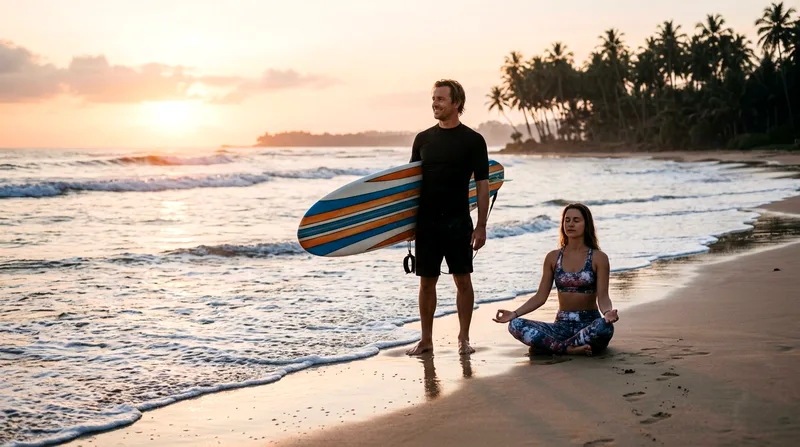
The practical sell for most visitors is combining a morning class with an actual activity. Weligama and Mirissa surf camps often schedule Vinyasa specifically as a pre-surf warm-up, loosening hips and shoulders before paddling out. In Ella, pair a dawn Hatha class with the Little Adam's Peak walk (roughly 45 minutes each way) or a half-day trip to Yala National Park for a safari if you're staying longer in the south. Compare this to Bali, where yoga-surf pairing is far more commercialized and expensive — Sri Lanka's version is scrappier but noticeably cheaper and less crowded.
Planning Your Yoga Days
Building yoga into a Sri Lanka trip takes minimal advance planning compared to, say, arranging a Kerala houseboat or a Nepal trekking permit — most classes accept walk-ins.
What to Pack and Class Etiquette
Pack a lightweight travel mat if you're particular about hygiene or grip — rental mats get heavy use in peak season. Bring a light cover-up for the walk to and from beachside classes, since many guesthouses and small shalas expect shoulders and knees covered outside the mat itself, especially near temples. Arrive 10 minutes early; classes in small spaces fill fast in high season (December-March) and latecomers sometimes get turned away rather than squeezed in.
Building Yoga Into an Itinerary
A workable pattern: two or three nights in Ella for hill-country yoga and hiking, then move south to Mirissa or Weligama for surf-paired Vinyasa and beach time, finishing with a few days at an Ayurvedic center near Kandy or Bentota before flying out of Colombo. This loop takes roughly 10-14 days at a comfortable pace and avoids backtracking. If you're short on time, skip the full Ayurveda stay and book a single treatment day instead — most centers offer this without requiring a multi-night package.
Frequently asked questions
Where can I find yoga classes in Sri Lanka?
The most reliable drop-in options are in Ella (Yoga Ella, Sri Yoga Shala) and south coast towns like Mirissa, Weligama and Unawatuna, where surf camps and guesthouses run daily sessions. Wellness resorts like Santani near Kandy offer structured programs if you want more than a single class.
What yoga styles are taught in Sri Lanka?
Hatha is the most common, especially at guesthouse-level drop-ins, followed by Vinyasa in surf towns. Iyengar is available at a smaller number of studios and retreat centers, and some hill-country resorts blend yoga with Qi Gong or breathwork rather than teaching a single tradition.
When is the best time for yoga in Sri Lanka?
For the south coast, December to April avoids the southwest monsoon and keeps beach decks dry. Ella works reasonably year-round but is driest and clearest January to March. Avoid the east coast October to January, when its monsoon peaks.
Can I combine yoga with surfing or other activities in Sri Lanka?
Yes — Weligama and Mirissa surf camps commonly schedule Vinyasa as a pre-surf warm-up. In Ella, pair a sunrise class with hiking Little Adam's Peak or visiting Nine Arches Bridge the same morning, since both are close to town.
What is Ayurveda and how does it relate to yoga in Sri Lanka?
Ayurveda is a centuries-old medicine system practiced on the island independently of the yoga-tourism trend. Proper centers, concentrated around Kandy and Bentota, start with a practitioner consultation before recommending oil treatments or diet changes — distinct from cheap beach-town "Ayurvedic massage" that skips the diagnostic step entirely.