Learn what fair Sri Lanka tuk tuk prices look like, how PickMe and Uber compare with street hails, and which negotiation tactics keep short rides cheap.
How Tuk Tuk Fares Are Calculated
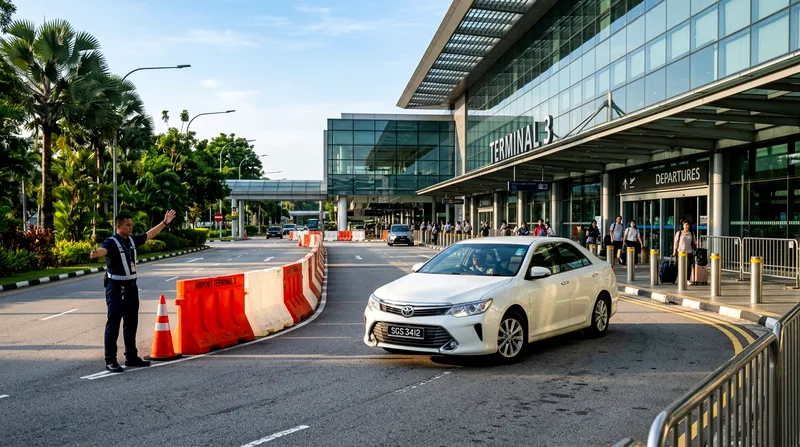
Land at Bandaranaike International Airport, walk out to the taxi rank, and the first number you hear for a tuk tuk to nearby Negombo will likely be two or three times what a local would pay. That's not necessarily a scam — it's the default tourist tariff, and it exists because most visitors have no reference point for what's fair. Sri Lanka tuk tuk prices follow a reasonably predictable structure once you know it, and that structure is your best defense against overpaying.
Most tuk tuks operate on a per-kilometre rate that sits roughly between LKR 60 and LKR 100 (about USD 0.20–0.33) once you're outside a tourist zone, with a small flat charge for the first kilometre that covers the driver pulling over and starting the trip. In Colombo, where traffic and fuel costs push rates up, expect the per-kilometre figure to run higher, sometimes close to LKR 120. These aren't official fixed tariffs set by law in every town — they're working benchmarks built from what meters typically show and what residents actually pay — so treat them as a sanity check rather than gospel.
Per-kilometre and first-kilometre pricing
The first kilometre almost always costs more than each subsequent one — it's meant to cover the driver's time getting to you and the fuel used idling in traffic or queuing at a tuk tuk stand. A first-kilometre charge of LKR 80–100 followed by LKR 60–80 per kilometre after that is a reasonable working formula in most towns outside Colombo. For a 5km ride, that puts a fair total somewhere around LKR 350–450 (roughly USD 1.15–1.50). If you're quoted LKR 1,000 for the same trip near a beach resort or train station, you're paying the hotspot premium, not the real rate.
Metered versus negotiated fares
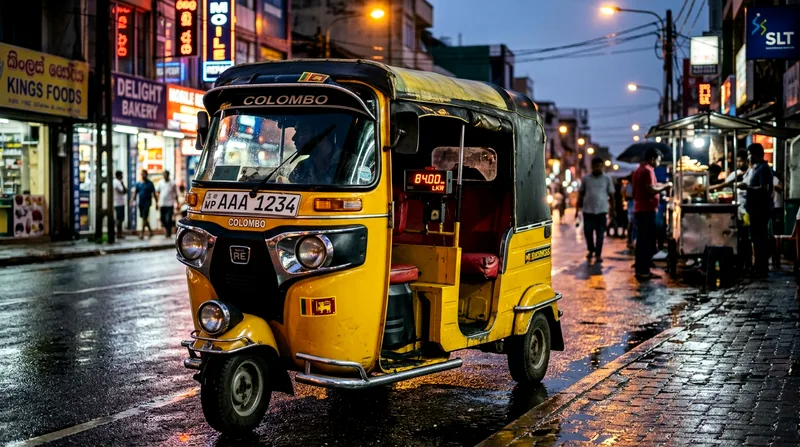
Metered tuk tuks exist mainly in Colombo and a handful of larger towns, and when a driver agrees to run the meter, it almost always works in your favor — meters are calibrated to the standard per-kilometre rate, not inflated for tourists. The catch is that plenty of drivers in tourist areas will claim their meter is "broken" or simply refuse to use it, especially outside Colombo where metered tuk tuks are rare to begin with. Outside the capital, negotiation is the norm, not the exception, and that's fine as long as you walk in knowing roughly what the ride should cost.
Where Your Money Goes on Short Transfers
Short transfers — station to hotel, beach to restaurant, market to guesthouse — are where tourists lose the most money proportionally, because the absolute numbers look small in euros or dollars even when you're being charged triple. A ride that should cost LKR 300 quoted at LKR 900 feels like "only an extra two dollars," which is exactly how small overcharges add up to real money across a two-week trip with multiple rides a day.
Tourist hotspot premiums
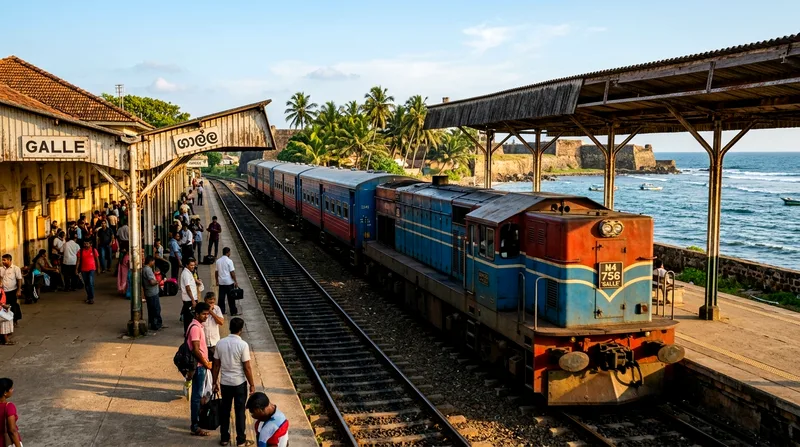
Drivers stationed outside major hotels, popular beaches in Mirissa or Unawatuna, and heritage sites like Galle Fort or Sigiriya know their captive audience well. Rates at these pickup points routinely run 50–150% above what you'd pay hailing a tuk tuk mid-street a few hundred metres away. If you can walk even five minutes from the hotel gate or the site entrance before flagging one down, you'll typically see the asking price drop noticeably — drivers waiting right at the gate have effectively paid for that prime spot and pass the cost to you.
Hidden extras and time-of-day surcharges
Late-night rides, trips during heavy rain, and journeys during Poya (full moon) holidays or major festivals often carry informal surcharges — nothing official, just drivers charging what the moment will bear. Luggage sometimes gets an extra LKR 50–100 tacked on if you've got more than a backpack, particularly at airports and train stations where porters and drivers work the same crowd. None of this is unreasonable on its own, but it compounds fast if you're not expecting it, so ask "is that the total, including bags?" before you load up the tuk tuk.
Ways to Pay Less for Tuk Tuk Rides
The single most effective thing you can do is check a ride-hailing app estimate before stepping onto the street, even if you end up flagging down a tuk tuk instead of booking through the app. It gives you an objective, algorithm-set price with no haggling involved, and that number becomes your reference point for every subsequent negotiation that day.
Ride-hailing apps give the most predictable fare, while street negotiation offers the lowest price only if you know the benchmark rate going in.
Sri Lanka tuk tuk prices by booking method: metered, app and negotiated fares compared
| Method | Typical cost vs benchmark | Price certainty | Best for |
|---|---|---|---|
| Metered (Colombo) | At or near benchmark rate | High | Short city rides, airport area |
| PickMe app | Benchmark to slightly above | Very high | First-time visitors, night rides |
| Uber app | Similar to PickMe, Colombo only | Very high | Colombo-based travelers |
| Street hail, negotiated well | At or below benchmark | Low | Confident negotiators, repeat visitors |
| Street hail, no negotiation | 50-150% above benchmark | None | Not recommended |
| Multi-day rental | Daily rate, not per-ride | Medium | Independent touring, couples, solo travelers |
Figures are typical working benchmarks, not fixed tariffs; always confirm the price verbally or via app before the ride starts.
PickMe and Uber compared with street hails
PickMe is the dominant ride-hailing app in Sri Lanka, with far wider tuk tuk coverage than Uber, which operates mainly in Colombo and a few surrounding areas. Both apps show you the fare before you confirm, charge by GPS-tracked distance and time rather than guesswork, and remove the negotiation step entirely — useful if haggling isn't your thing or you're traveling with kids and just want a quick, fair price. In practice, PickMe and Uber tuk tuk fares tend to land close to the honest street rate, sometimes a touch higher because of booking fees and surge pricing during rain or rush hour in Colombo. Street hails can be cheaper if you negotiate well, but they can also be considerably more expensive if you don't — apps trade a small premium for certainty, which is often worth it for short, frequent trips.
Negotiation phrases and tactics that work
Always agree the fare before you get in — not after, not "we'll sort it out later." Ask "how much to [destination]?" and if the number sounds high, counter with roughly what your per-kilometre math suggests, stated plainly: "I think it's about LKR 400, is that okay?" Drivers respect a traveler who clearly knows the going rate far more than one who just accepts the first number. If a driver won't budge and the gap is small — say, LKR 100–150 — it's often not worth the friction; that's less than a euro. For bigger gaps, walking away and flagging the next tuk tuk almost always produces a better offer within a minute, since drivers would rather negotiate down than lose the fare entirely.
What Not to Skimp On
Chasing the lowest possible fare on every single ride is a false economy, and it's worth saying plainly: some corners aren't worth cutting just to save fifty cents. Sri Lanka's roads are narrow, often shared with buses driving aggressively and dogs sleeping in the middle of the lane, and the tuk tuk you choose matters more than the few rupees you might shave off the price.
Safety, licensed drivers and multi-day rentals
If you're renting a tuk tuk for multi-day independent touring — a popular option for couples and solo travelers covering the south coast or the Cultural Triangle — go through a registered operator like TukTuk Rental rather than an informal roadside deal, even if the informal option looks cheaper upfront. Daily rental rates typically run from about USD 10–20 per day depending on the season and how long you book for, and a legitimate rental should include third-party insurance and a permit or international driving permit check — don't skip this part. An uninsured rental that breaks down or is involved in an accident can cost you far more than the daily savings, both in cash and in time lost dealing with local police and paperwork. Similarly, for late-night rides or trips with children, pay slightly more for a driver recommended by your guesthouse rather than the cheapest one idling outside — a few extra rupees for a known, licensed driver is money well spent.
Tuk Tuk Booking Checklist
Before any ride, run through a short mental checklist: check a PickMe estimate for the route, work out the rough fare using the per-kilometre benchmark, agree the price verbally before getting in, and confirm whether luggage or late-night timing adds anything extra. For longer trips — Colombo to Kandy, or along the south coast — compare the tuk tuk cost against a private car or train first, since beyond about 40–50km a tuk tuk often stops being the cheaper or more comfortable option.
If you're planning several days of point-to-point travel, it's worth comparing tuk tuk rental rates against hiring a car with driver for the whole trip; the per-day cost difference narrows once you factor in a driver's wages, fuel, and the hours you'd otherwise spend negotiating fares at every stop. Compare current tuk tuk tour and rental prices before you book, since rates shift with fuel costs and season.
Frequently asked questions
How much should a tuk tuk cost in Sri Lanka?
For a short ride of 3–5km outside a tourist hotspot, a fair total is roughly LKR 300–450 (about USD 1–1.50), based on a first-kilometre charge plus LKR 60–80 per kilometre after that. In Colombo or right outside major attractions, expect the honest rate to run somewhat higher, and expect the first quote you're given to run higher still.
What is the price per kilometre for tuk tuks in Sri Lanka?
Outside Colombo, a reasonable per-kilometre benchmark is LKR 60–80 (roughly USD 0.20–0.27) after the first kilometre. In Colombo, where traffic and fuel costs are higher, per-kilometre rates often climb toward LKR 100–120. These are working estimates rather than fixed, government-mandated fares.
Are metered tuk tuks available in Colombo?
Yes, metered tuk tuks are more common in Colombo than anywhere else in Sri Lanka, and when a driver agrees to run the meter, it's usually your cheapest and most reliable option. Some drivers near tourist areas will still claim the meter is broken — if that happens, negotiate using your per-kilometre benchmark instead.
Is PickMe or Uber cheaper than a street tuk tuk?
Neither app is reliably cheaper than a well-negotiated street fare, but both are usually cheaper and safer than an unnegotiated tourist quote. PickMe has far broader coverage across Sri Lanka than Uber, which mostly serves Colombo, so PickMe is the more useful app to have installed for tuk tuk rides nationwide.
How much does it cost to rent a tuk tuk in Sri Lanka?
Daily rental rates through a registered operator typically run from about USD 10–20 per day, varying by season, rental duration, and whether insurance and breakdown support are included. Always confirm the rental includes third-party insurance and ask what permit or license documentation you need before you drive.