East coast or south coast in Sri Lanka? Compare seasons, beaches, surf, crowds, access and value to book the beach region that is sunny when you travel.
East vs South Coast at a Glance
Sri Lanka's beach decision comes down to one fact most guidebooks bury: the island has two separate monsoon systems, and they hit opposite coasts at opposite times of year. The south coast — Mirissa, Weligama, Unawatuna, Tangalle — gets its dry, sunny window from around November to April. The east coast — Trincomalee, Passekudah, Arugam Bay — flips the calendar, running calm and dry roughly May to September. Book the wrong one for your travel dates and you'll spend your holiday watching rain from a beach hut, which happens more often than operators like to admit.
Beyond weather, the two coasts feel different. The south is denser, more developed, easier to reach, and better set up for short stays or multi-stop itineraries that tack on Galle, Ella, or the hill country. The east is quieter, more spread out, with fewer resorts and a rawer, less polished feel — good if you want space, not so good if you want variety within walking distance of your hotel.
The core trade-off is simple — south coast suits November to April trips, east coast suits May to September trips, and each has a distinct surf and crowd profile.
Sri Lanka east coast vs south coast: season, surf, crowds and cost compared
| Coast/Town | Best Months | Surf Level | Crowds | Swimming Safety | Relative Cost |
|---|---|---|---|---|---|
| Mirissa (south) | Dec-Mar | Beginner-intermediate | High | Good, some currents | Mid |
| Weligama (south) | Nov-Apr | Beginner | High | Good, sheltered bay | Mid |
| Unawatuna (south) | Dec-Mar | Beginner | High | Good, calm bay | Mid-high |
| Tangalle (south) | Dec-Mar | Intermediate, rougher | Low-medium | Caution, stronger surf | Mid-high |
| Trincomalee (east) | May-Sep | Minimal, calm | Low | Good, calm bays | Low-mid |
| Passekudah (east) | May-Sep | None, flat lagoon | Low-medium | Very good, shallow | Mid |
| Arugam Bay (east) | May-Sep | Advanced point break | Medium, surf crowd | Caution near point | Low-mid |
Typical seasonal patterns; actual swell, rainfall and crowd levels vary year to year, so check current conditions before you book.
Quick comparison table
Below is the single table worth bookmarking before you book flights or hotels — see it in the next section for the full breakdown across both coasts' towns, seasons, and costs.
Key towns on each coast
On the south coast, Mirissa is the whale-watching and nightlife hub, Weligama is the learner-surfer base, Unawatuna draws swimmers with its sheltered bay, and Tangalle is the quieter, more upscale stretch further east. On the east coast, Trincomalee anchors the north with calm bays and diving, Passekudah offers one of the few genuinely shallow, swimmable lagoons on the island, and Arugam Bay is the surf town, period — built almost entirely around its point break. None of these towns are interchangeable; picking "the east coast" without picking a town is like picking "Italy" without picking a city.
Season Showdown: Which Coast Is Sunny When
This is the section that actually decides your booking, and it's the one most people skip. Sri Lanka sits under two monsoon systems: the Yala monsoon brings rain to the southwest and south coast roughly May through September, while the Maha monsoon soaks the northeast and east coast roughly October through January. That means the south coast's dry season and the east coast's dry season almost never overlap — they're mirror images, not variations on the same thing.
If your dates are fixed, this single fact should override everything else in your planning, including which coast "sounds nicer" from photos. A gorgeous photo of Passekudah taken in July means nothing if you're arriving in December.
South coast: peak months and shoulder risks
December through March is the safest bet for the south coast — dry, sunny, calm seas, and peak demand to match (expect higher accommodation rates and fuller beaches in Mirissa and Unawatuna over Christmas and New Year). November and April are shoulder months: often fine, sometimes with short, heavy afternoon downpours that clear quickly. May through September is the risk zone — this is when the southwest monsoon is active, seas get rough and occasionally dangerous for swimming, and several beachfront restaurants and smaller guesthouses quietly close or scale back. Booking the south coast in July on the assumption it behaves like Thailand's dry season year-round is the most common mistake I see European travelers make.
East coast: peak months and shoulder risks
May to September is the east coast's prime window, with Arugam Bay's surf season peaking around June to August when the point break is working at its most consistent. Trincomalee and Passekudah are calmest and clearest in this same stretch, good for diving and snorkeling visibility. The shoulder months of April and October can go either way. From November through February, the east coast takes the brunt of the northeast monsoon — rough seas, overcast skies, and many Arugam Bay guesthouses close entirely for a few months, rebuilding their palm-thatch cabanas before the next season. If someone offers you a cheap Arugam Bay package for December, there's a reason it's cheap.
Beaches, Vibe and Crowds Compared
Sand quality on both coasts is genuinely good — this isn't a coast where one side has obviously better beaches than the other. The difference is in development, noise, and how much infrastructure surrounds the sand. The south coast has had two decades longer of tourism investment, so you get denser strips of guesthouses, cafés, surf schools, and beach bars packed within walking distance in Mirissa or Weligama. That's convenient if you want options without a tuk-tuk ride, but it also means less space and more hawkers working the sand at sunset.
Trincomalee vs Mirissa
Trincomalee vs Mirissa is really a proxy for the whole east-south debate. Mirissa is compact, social, built around a single crescent bay with whale-watching boats leaving most mornings in season and a cluster of beach bars running until late. Trincomalee is spread across several separate bays — Uppuveli and Nilaveli being the main tourist beaches — with longer stretches of open sand, far fewer crowds, and a noticeably slower pace. If you want a buzzing few days with easy socializing, Mirissa wins. If you want to swim without stepping around sunbeds, Trincomalee wins by a wide margin.
Development level and accommodation style
South coast accommodation runs the full range — backpacker dorms, mid-range boutique guesthouses, and a growing number of design-led hotels around Tangalle and Weligama. The east coast skews simpler: Arugam Bay is mostly guesthouses and surf camps with a handful of nicer boutique options; Passekudah has a cluster of larger beach resorts that feel more package-tourism than the rest of the east coast; Trincomalee sits in between. If you want variety and the ability to upgrade or downgrade your hotel on a whim, the south coast gives you more room to maneuver.
Activities, Surf and Access Compared
Neither coast is short on things to do, but the strengths don't overlap much. The south coast's headline activity is whale watching out of Mirissa — blue whales and sperm whales are seen with reasonable regularity between December and April, though trip quality varies a lot by boat operator and sea conditions, so it's worth checking reviews and current sightings rates before booking rather than assuming every tour performs the same. The east coast's headline activity is surf, full stop, with Arugam Bay's Main Point ranked among the better right-hand breaks in Asia when it's firing in July.
Surfing, whale watching and snorkeling
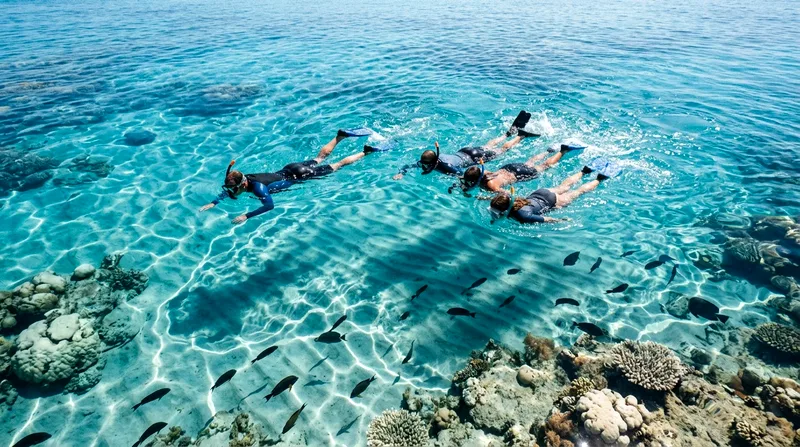
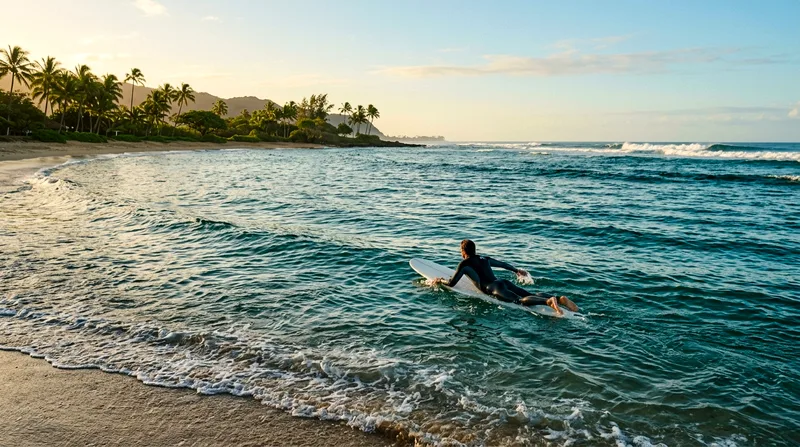
Arugam Bay vs Weligama is the real surf decision within the bigger coast debate. Weligama's wide, sandy bay with a gentle inside break is built for beginners — nearly every operator there runs learn-to-surf packages, and the water is forgiving if you fall. Arugam Bay's Main Point is a proper reef and point break suited to intermediate and advanced surfers, though the bay does have a few gentler beginner-friendly spots nearby like Baby Point. For snorkeling and diving, Trincomalee and nearby Pigeon Island edge out most south coast spots on visibility and reef health, while Passekudah's flat, shallow lagoon is close to risk-free for small children who just want to paddle.
Transfer effort from the airport and inland combos
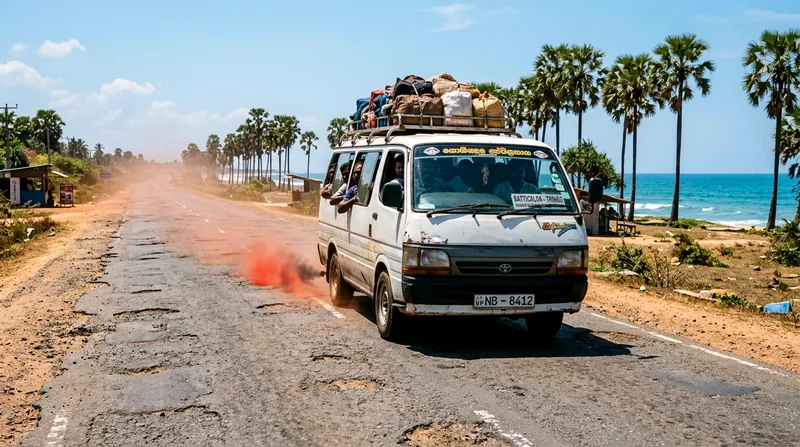
This is where the south coast has a real, practical edge. From Bandaranaike International Airport near Colombo, Mirissa or Weligama is roughly a 2.5 to 3.5 hour drive via the Southern Expressway. Trincomalee or Arugam Bay, by contrast, typically takes 6 to 8 hours by road, since there's no equivalent expressway heading east. That gap matters enormously for short trips. It also changes how well each coast combines with inland stops: the south pairs naturally with Galle (30-40 minutes from Weligama) and connects onward toward Ella and the hill country tea estates; the east pairs more naturally with Sigiriya, Polonnaruwa and Kandy if you're routing through the Cultural Triangle first, since Trincomalee sits reasonably close to that inland loop. Haputale, with its cooler climate and Lipton's Seat views, fits better onto a south-coast-and-hills itinerary than an east-coast one.
Which Coast Should You Choose?
There's no universally "best beach region in Sri Lanka" — there's only the one that matches your month, your travel style, and how many beach days you actually have. If you've got under a week and a fixed international flight into Colombo, the transfer time alone often settles the question in the south coast's favor, especially outside May to September.
Beginners, families and couples
Families with young kids should lean toward Weligama or Unawatuna on the south coast (calm, shallow, short transfer) during the December to March window, or Passekudah on the east coast during June to August if the dates line up — its flat lagoon is arguably the safest swimming beach on either coast for small children. Beginner surfers should book Weligama over Arugam Bay almost every time; the learning curve is gentler and the crowd is friendlier to wobbly first attempts. Couples wanting atmosphere and a wider choice of restaurants will likely prefer Mirissa or Tangalle; couples wanting quiet and space should look at Trincomalee or the quieter northern end of Nilaveli.
Budget travelers and luxury seekers
Budget travelers generally find the east coast slightly cheaper outside peak surf season — guesthouses in Arugam Bay and Trincomalee often undercut equivalent south coast rooms, partly because the shorter season means owners need to fill beds fast when they're open. Luxury seekers have more south coast options simply because that's where more boutique and five-star properties have been built, particularly around Tangalle and Galle. That said, the gap is narrowing — the east coast has added higher-end small hotels in Trincomalee and Arugam Bay over the past several years, so it's worth comparing current listings rather than assuming the south automatically wins on quality.
Verdict: Booking the Right Beach
Match the coast to your calendar first, your travel style second. Traveling November to April: book the south coast — Mirissa, Weligama or Tangalle — and build in Galle and the hill country if you have 10+ days. Traveling May to September: book the east coast — Arugam Bay for surf, Trincomalee or Passekudah for calmer swimming and diving — and consider routing through Sigiriya and Polonnaruwa on the way. Traveling in the shoulder months of April or October, when neither coast is reliably dry: this is genuinely the trickiest window, and it's worth checking recent weather patterns rather than booking blind.
If your trip straddles the monsoon changeover, or you simply can't decide between whale watching and reef diving, a split trip works better than most people assume — fly or drive one coast for 4-5 days, then cross inland through Kandy or Ella to the other, rather than trying to do both as beach-hop day trips. Compare current accommodation and transfer options for each coast before you lock in dates; prices and road conditions shift enough season to season that it's worth checking live listings rather than relying on last year's numbers.
Frequently asked questions
Which coast of Sri Lanka is better for beaches, the south or east?
Neither is objectively better — the south coast (Mirissa, Weligama, Unawatuna) has more developed, livelier beaches with easier airport access, while the east coast (Trincomalee, Passekudah, Arugam Bay) has quieter, less crowded beaches with better snorkeling visibility. The real deciding factor is which coast is in its dry season when you travel.
What is the best time to visit the south coast and the east coast?
South coast: roughly November to April, peaking December to March. East coast: roughly May to September, peaking June to August. These seasons are near-opposite because the two coasts sit under different monsoon systems, so check your travel month before choosing either.
Which coast is better for surfing and beginners?
Weligama on the south coast is the better beginner setup — wide sandy bay, gentle inside break, dense cluster of surf schools. Arugam Bay on the east coast suits intermediate to advanced surfers chasing its point break, though nearby Baby Point offers a gentler option for newer surfers during the June to August season.
Which coast is less crowded?
The east coast is consistently less crowded. Trincomalee's bays and Arugam Bay's surf town have far lower tourist density than Mirissa or Unawatuna, partly because the shorter dry season and longer transfer from Colombo limit visitor numbers.
Which coast is better for budget travelers versus luxury resorts?
Budget travelers often find slightly better value on the east coast, where guesthouse rates in Arugam Bay and Trincomalee tend to undercut the south. Luxury seekers have more choice on the south coast, especially around Tangalle and Galle, though Trincomalee's higher-end hotel scene has grown and is worth comparing directly.