Plan a Sinharaja rainforest tour in Sri Lanka: compare entrances, choose a birding or trekking guide, understand tickets, and prepare for leech season.
Why Visit Sinharaja Forest Reserve
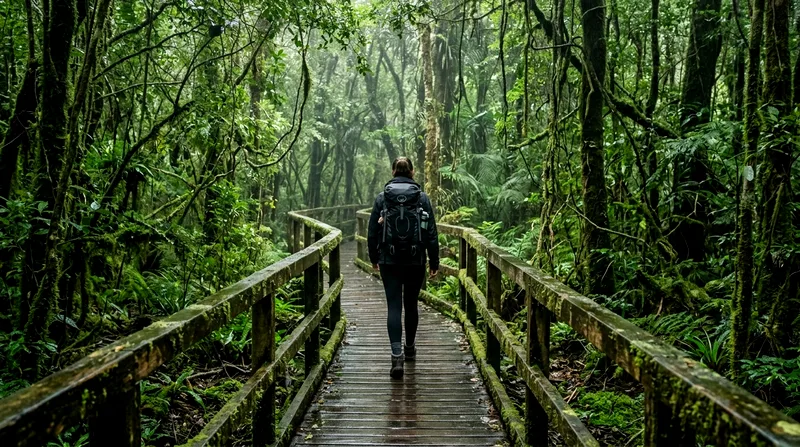
Water drips off broad-leafed canopy plants long after the rain stops, and somewhere above, a mixed flock of endemic birds works through the branches with a racket out of proportion to their size. That's the real draw of a Sinharaja rainforest tour — not a single postcard shot, but the texture of Sri Lanka's last significant stretch of primary lowland rainforest, largely untouched since colonial-era logging bans took hold last century.
Sinharaja Forest Reserve was inscribed as a UNESCO World Heritage Site in 1988, recognized for exceptional levels of endemism — over 60% of the trees here are found nowhere else, and a similar pattern holds for much of the wildlife. For a country roughly the size of Ireland, that concentration of endemics packed into one forest block is unusual even by tropical standards.
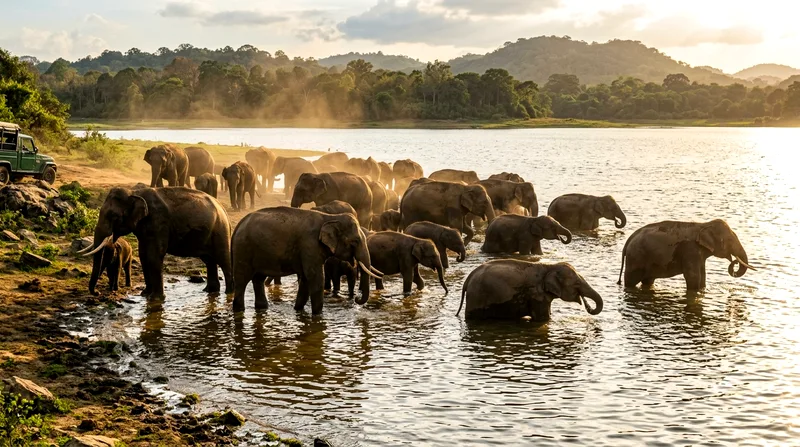
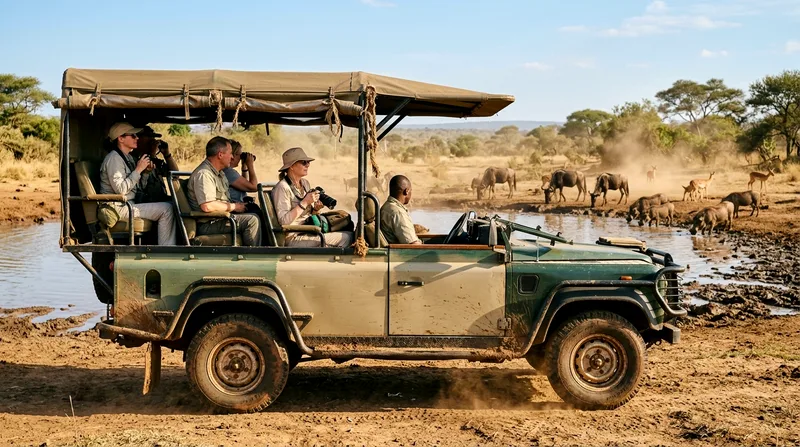
Compare it honestly with Sri Lanka's bigger-name parks: Yala and Wilpattu are about leopards and open scrub; Sinharaja is closed-canopy, humid, and built for patient observation rather than drive-by sightings from a jeep. If you've done wildlife-watching in Kerala's Periyar or Thailand's Khao Sok, the pacing here will feel familiar — slow walking, long pauses, binoculars up more than cameras.
UNESCO status and endemic wildlife
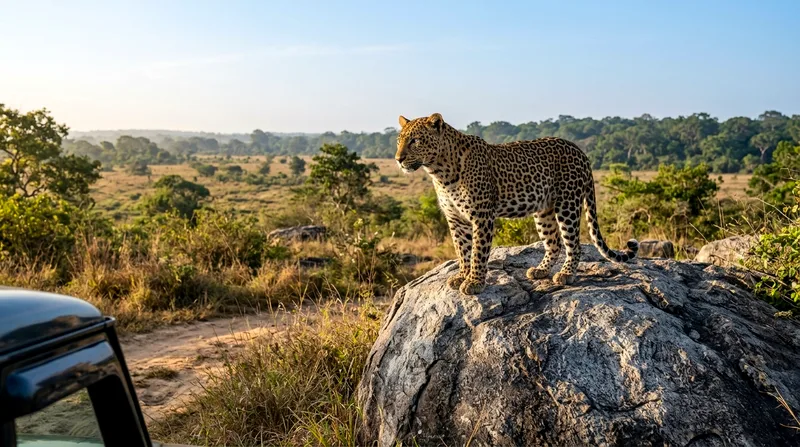
The reserve covers roughly 11,000 hectares of core forest (with a wider buffer zone), and its UNESCO status protects it from logging and large-scale development — a rarer guarantee than it sounds, given how much of South and Southeast Asia's lowland rainforest has been cleared for plantation agriculture. Endemic mammals are present but elusive: purple-faced langurs, Sri Lankan giant squirrels, and occasionally a glimpse of a leopard, though sightings are far from guaranteed and nobody should book expecting one. Reptiles and amphibians are a quieter highlight — endemic frog species in particular, many documented nowhere else on the island.
Birding and trekking highlights
Sinharaja is one of the best birding tours in Sri Lanka precisely because mixed-species flocks move together here — spot one endemic and ten more species often follow through the same patch of canopy within minutes. Target birds include the Sri Lanka blue magpie, red-faced malkoha, green-billed coucal, and Sri Lanka myna, all endemics rarely seen outside this reserve and a handful of nearby forest fragments. Trekking highlights center on the interior trail network rather than one marquee feature — there's no dramatic peak or temple here, just forest, streams, and a waterfall or two depending on which entrance you use.
Independent Visit or Guided Tour
You cannot wander into Sinharaja alone with a self-printed map and expect to get far — and that's by design, not bureaucracy for its own sake. The reserve requires visitors to be accompanied, and in practice that means booking a Sinharaja rainforest tour through a registered local guide rather than attempting a fully independent visit.
I'd argue this is one of the better mandatory-guide rules in Sri Lankan tourism. Unlike some forced-guide setups that feel like a tax, Sinharaja's guides — many from the Kudawa village community bordering the reserve — genuinely know the trail network, bird calls, and seasonal wildlife patterns. A guideless walk here would mean missing nearly everything that makes the place worthwhile.
Why a local guide is required
The Forest Department and Wildlife Conservation rules require a tracker or guide for entry, partly for visitor safety on unmarked interior trails and partly for forest protection — guides keep groups on established paths and discourage off-trail wandering that damages undergrowth. Guides are typically arranged at the entrance checkpoint itself, or pre-booked through a tour operator before you arrive. Either way, budget for the guide fee as a separate line item from the entrance ticket; it is not bundled into the official entry price.
Half-day, full-day and multi-day options
A half-day Sinharaja forest reserve visit (roughly 3-4 hours) suits travelers short on time or combining the reserve with a long drive from Galle or the south coast — expect a shorter loop, maybe reaching one viewpoint or stream crossing. A full-day sri lanka rainforest trek (6-8 hours) is the standard choice for serious birders, covering more trail distance and multiple flock-watching stops. Multi-day options exist for dedicated birders chasing specific endemics across dawn and dusk sessions, usually based in guesthouses near Kudawa or Deniyaya rather than inside the reserve itself, since no accommodation sits within the core zone.
Entrance Points Compared
Sinharaja entrance points matter more than most first-time visitors realize, because they determine your drive time, trail options, and even which guide community you'll work with. The three main access points — Kudawa, Lankagama, and Kurulugala — sit on different sides of the reserve and aren't easily combined in one visit.
Kudawa is the easiest and most popular entrance, while Lankagama and Kurulugala suit travelers prioritizing solitude or a tougher trek over convenience.
Sinharaja rainforest tour entrance points compared for access, trails and crowds
| Entrance | Access Road | Best For | Typical Trek Length | Crowd Level |
|---|---|---|---|---|
| Kudawa | Paved, easy | Birding, families | 3-6 hours | Busiest |
| Lankagama | Rough, 4WD helpful | Fit trekkers, Sinhagala route | 6-8 hours | Low |
| Kurulugala | Unpaved, remote | Solitude seekers | 3-5 hours | Very low |
Trail times vary with fitness, weather and guide pace, so confirm current conditions with your guide before setting out.
Kudawa, Lankagama and Kurulugala access
Kudawa, on the northwestern boundary, is the main entrance and the one most tour operators default to — it has the most developed guide network, a research station nearby, and the best-maintained trail to Moulawella Peak and several birding circuits. Lankagama, on the southeastern side, is quieter, requires a rougher approach road, and is the usual route for travelers trekking to the Sinhagala viewpoint deep in the forest — a longer, more demanding walk. Kurulugala, sometimes used as a lesser-known western access point, sees far fewer visitors and suits those who want solitude over infrastructure; guide availability there is thinner, so confirm arrangements before driving out.
Choosing by route, fitness and goals
If birding is your priority, go Kudawa — the trails near the entrance are flatter and flock activity is reliably good within the first hour or two of walking. If you want a harder trek and fewer other visitors, Lankagama's route toward Sinhagala involves steep, muddy stretches and can run 6+ hours round trip; it's not for anyone with knee problems or limited trekking fitness. Families with children under 12 are generally better served by a short Kudawa loop than the longer interior routes, which involve stream crossings and slippery rock sections that get genuinely tiring by midday.
Tickets and Entry Rules
Entry tickets for Sinharaja Forest Reserve are sold at the checkpoint nearest your chosen entrance — Kudawa has the most organized ticketing setup. Rates differ for foreign visitors versus Sri Lankan nationals, a standard structure across the country's national parks and reserves, and there's usually a small additional charge if you bring a vehicle inside to the trailhead.
What entry covers and what it does not
The entrance ticket covers access to the reserve for that day only — it does not include a guide, who is booked and paid separately, nor does it include transport to the entrance itself. It also doesn't cover a tracker fee, which some entrances require in addition to the standard guide for longer interior routes. Don't assume a quoted "tour price" from an operator always bundles the entrance ticket — some do, some list it as a separate pass-through cost, so ask directly when booking.
Budget components to plan for
Plan for four separate cost components: the entrance ticket, the guide fee (often per group, not per person, which helps if you're traveling as a couple or small family), a vehicle/parking charge if driving in, and transport to and from the entrance itself, which can be the largest cost if you're coming from Galle or Colombo rather than staying nearby in Deniyaya. Tipping guides is customary and appreciated, particularly for a full-day trek. Compare current prices and guide-inclusive packages before you book, since rates are adjusted periodically and vary by season and operator.
Best Time to Visit and Leech Season
Timing a Sinharaja rainforest tour is mostly a trade-off between trail comfort and wildlife activity, and there's no season that solves both.
Dry and wet season trade-offs
The relatively drier months, roughly January to April and again in August, offer firmer trails and lower leech numbers — easier going for families and less experienced trekkers. But rainforest means rain year-round; Sinharaja receives substantial rainfall even in its "dry" stretches, so pack a rain jacket regardless of month. Wetter months bring more mud and higher leech activity, but also richer plant growth, louder frog choruses, and arguably more dynamic birding as insect activity rises with humidity — a genuine trade-off, not simply worse conditions.
Leech prevention and what to wear
Sinharaja leech season is effectively most of the year, intensifying with rainfall — land leeches here are common, harmless beyond an itchy bite, and almost unavoidable on longer treks. Leech socks (fabric gaiters that tuck over trouser hems into boots) are the standard defense and usually available for rent near the entrances; wear them over closed shoes, not sandals. Tucking trousers into socks, applying tobacco-infused leech repellent or standard DEET-based spray to boots and socks, and checking exposed skin at rest stops all help. Don't wear shorts, and don't panic if one attaches — a flick or a pinch of salt removes it cleanly, and bleeding stops on its own within a few minutes.
Nearby Add-Ons After Your Trek
A Sinharaja day trip rarely stands alone on an itinerary — most travelers fold it into a wider loop through Sri Lanka's Southern Province or the hill country, since the reserve sits inconveniently far from Colombo for a single round trip (expect 4-5 hours each way by road from the capital).
Deniyaya and Southern Province stops
Deniyaya, the nearest sizeable town, makes the most sensible overnight base — closer to the Lankagama approach and with guesthouses geared toward trekkers, it cuts significant drive time compared to staying in Galle. From Sinharaja, many travelers continue to Galle's Dutch fort and south-coast beaches, roughly 2-3 hours away, pairing rainforest with coastline in a way that mirrors how travelers combine Kerala's Periyar forests with its backwaters. Others connect onward to Udawalawe or Yala for a leopard-focused contrast after Sinharaja's slower, bird-led pace — two very different wildlife experiences worth doing back to back rather than instead of each other.
Frequently asked questions
How long does a Sinharaja rainforest tour take?
Most tours run half-day (3-4 hours) or full-day (6-8 hours), depending on entrance and trail chosen. A half-day Kudawa loop suits time-pressed visitors; a full-day Lankagama trek to Sinhagala suits serious birders and fit trekkers willing to handle steep, muddy sections for a longer wildlife payoff.
Are there leeches in Sinharaja forest?
Yes, land leeches are common across most of the year and more numerous in wetter months. They're harmless beyond an itchy bite. Wear leech socks, closed shoes, and long trousers, and treat boots with repellent before entering the trail — gear usually available to rent near the entrance checkpoints.
Which entrance point is best for Sinharaja tours?
Kudawa is best for first-timers, birders, and families — it has the easiest access road and most developed guide network. Lankagama suits fit trekkers wanting the tougher Sinhagala route with fewer crowds. Kurulugala is the quietest but least set up for casual visitors.
What wildlife can you see in Sinharaja?
Expect strong birding — endemics like the Sri Lanka blue magpie, red-faced malkoha, and green-billed coucal travel in mixed flocks. Purple-faced langurs and giant squirrels appear regularly; leopard sightings happen but are rare and should never be the expectation for booking a visit.
Can you do a day trip to Sinharaja?
Yes, a Sinharaja day trip is possible, especially from a Deniyaya or Galle base, but driving from Colombo in one day means 8-10 hours of travel alone. Staying overnight nearby makes for a far less rushed, more rewarding trek.