See what foreigners pay at Sri Lanka's top attractions, from the Cultural Triangle to national parks, plus practical ways to cut your total ticket costs.
Where Your Sri Lanka Ticket Money Goes
Sri Lanka tickets price out differently depending on who's buying and where the money lands afterward. Entrance fees at archaeological sites, temples and national parks are a genuine budget line here, not an afterthought — a couple spending ten days covering the Cultural Triangle, Kandy and a safari in Yala can easily spend $300-400 combined on admissions alone. That's more than you'd pay for equivalent sightseeing in Kerala or Vietnam, and it catches a lot of first-time visitors off guard.
The money isn't arbitrary. Sites like Sigiriya, Polonnaruwa and Anuradhapura fall under the Central Cultural Fund, a government body responsible for conservation, excavation and site maintenance across the Cultural Triangle. Entrance revenue funds ongoing archaeological work — Polonnaruwa and Anuradhapura are both still active dig sites in parts — plus the upkeep of fragile structures that see heavy foot traffic. National park fees, meanwhile, split between the Department of Wildlife Conservation, park maintenance and, in theory, community and anti-poaching programs.
Whether that funding model is efficient is a fair question — Sri Lanka's heritage sites can feel under-resourced on signage and visitor facilities relative to what you pay — but the fees themselves are standard, published, and not something you can negotiate down at the gate.
Foreigner vs local pricing explained
Sri Lanka runs an explicit dual-pricing system: foreigners pay a published rate, often set in US dollars, while Sri Lankan citizens pay a fraction of that in rupees. At Sigiriya, for example, foreign adults have paid in the region of $30, while local visitors pay a small rupee fee that's a tiny slice of the dollar rate. The same gap applies at Yala, Dambulla Cave Temple and most Cultural Triangle sites.
This isn't unique to Sri Lanka — India runs similar dual pricing at monuments like the Taj Mahal, and Nepal does the same at some Kathmandu Valley sites — so if you've traveled in South Asia before, the structure won't surprise you. What does surprise people coming from Thailand or Bali, where foreigner surcharges exist but are smaller, is the scale of the gap here. There's no way around it with a local SIM card or a rented tuk-tuk driver's help; ticket counters check passports or visas at busier sites.
Typical fee categories by site type
Roughly, Sri Lankan attractions fall into four pricing bands for foreigners. Marquee archaeological sites — Sigiriya, the Dambulla Cave Temple, Polonnaruwa — sit at the top, often $25-30 per person. Major living religious sites, especially the Temple of the Tooth in Kandy, charge a separate entrance fee plus sometimes a camera fee. National parks add a layered cost: entrance fee, vehicle charge, service charge and sometimes a camera or guide fee, all itemized separately rather than bundled into one number. Smaller temples, viewpoints and minor ruins are usually free or charge a token amount, often under $5.
Knowing which band a site falls into before you arrive helps you sequence a day realistically — pairing one expensive marquee site with two or three free minor stops keeps the average cost per stop reasonable.
Foreigner Entrance Fees at Major Sites
Treat every figure below as indicative. Prices at Sri Lankan attractions have moved upward over recent years and can change without much notice, so confirm the current rate at the official counter, the Central Cultural Fund's site, or through your tour operator before you budget a final figure.
Sigiriya and national park safaris are the most expensive single tickets in Sri Lanka, while the Cultural Triangle combined pass only pays off if you visit several included sites.
Sri Lanka attraction ticket prices for foreigners at major sites
| Site | Typical foreigner fee (USD) | Included in Cultural Triangle ticket? | Best for |
|---|---|---|---|
| Sigiriya Rock Fortress | approx. $25-30 | No, separate ticket | Sunrise climbs, photography |
| Cultural Triangle combined ticket | approx. $50-60 | — | Visiting 4+ included sites |
| Polonnaruwa | Included in combined ticket | Yes | Cycling between ruins |
| Anuradhapura (sacred area) | Included in combined ticket | Yes | History, Buddhist pilgrimage sites |
| Dambulla Cave Temple | approx. $10-12 standalone, or included | Yes | Cave murals and statues |
| Temple of the Tooth, Kandy | approx. $10-12 | No, separate ticket | Evening puja ritual |
| Yala National Park (per person + vehicle) | approx. $60-100 for two, jeep included | No, separate system | Leopard and elephant safaris |
Figures are indicative and change periodically; confirm current rates at official counters or the Central Cultural Fund before you travel.
Cultural Triangle ticket and individual site fees
The Cultural Triangle ticket, sold by the Central Cultural Fund, is designed to bundle entry to several major sites — typically Polonnaruwa, Anuradhapura's sacred area, Dambulla Cave Temple, and sometimes Kandy's Royal Botanical Gardens — into a single combined pass valid for a set window, often around two weeks. Historically priced in the range of $50-60 per adult, it can work out cheaper than paying individually if you're genuinely visiting four or more included sites.
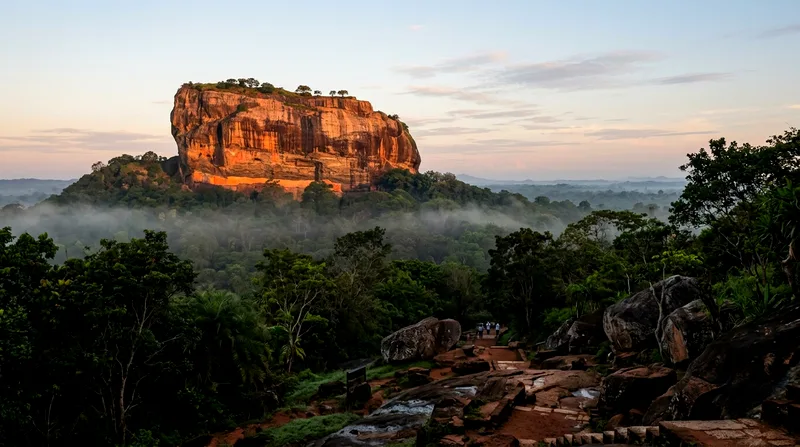
Sigiriya is priced separately and isn't part of the standard combined ticket — expect to pay it on its own, typically in the $25-30 bracket, making it one of the single most expensive tickets on the island. If your itinerary only includes Sigiriya and one other Cultural Triangle site, buying individual tickets rather than the combined pass is often cheaper — do the math on which sites you'll actually reach before committing. A lot of travelers buy the combined ticket assuming it covers everything, then discover Sigiriya needs a separate payment at the gate.
Temples, national parks and other attractions
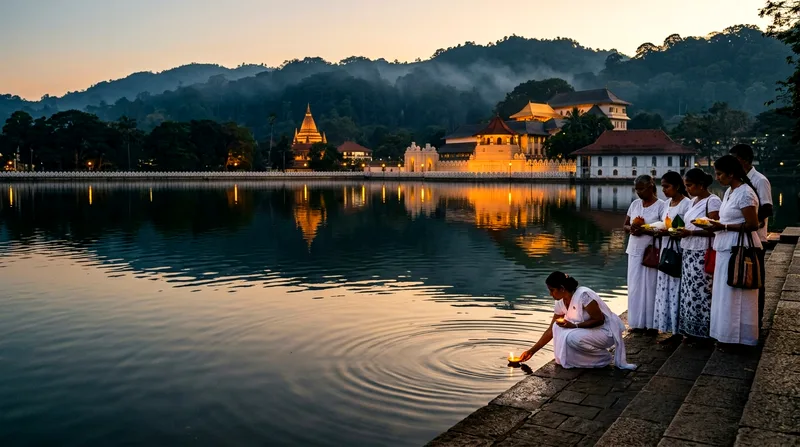
The Temple of the Tooth in Kandy charges foreigners an entrance fee, historically around $10-12, payable at a counter near the entrance; this is separate from any Cultural Triangle ticket. Dress modestly — shoulders and knees covered — or you'll be stopped before you even reach the ticket window.
National park fees for Yala, Udawalawe or Wilpattu are the most layered of any category. Expect a per-person entrance fee (often $15-20), plus a vehicle entry charge, a service charge, and sometimes a separate tracker or guide fee, all added together rather than quoted as one number. A half-day Yala safari for two people, fees included, commonly lands somewhere between $60-100 once the jeep hire is factored in — more if you book a private vehicle rather than sharing. Compare that to Mauritius or the Maldives, where wildlife-watching simply isn't part of the cost equation, and Sri Lanka's safari fees look reasonable; compare it to a Kerala backwater houseboat day, and it looks steep.
Legitimate Ways to Save on Tickets
There's no way to pay local-resident rates as a foreign passport holder, and I'd be skeptical of anyone offering to arrange that — it's not legal and it risks trouble at the gate. But there are real, durable ways to reduce your total spend without cutting corners on the experience.
SAARC discount eligibility and how to claim it
Citizens of SAARC member countries — India, Pakistan, Bangladesh, Nepal, Bhutan, Maldives and Afghanistan — are eligible for a reduced entrance rate at many Sri Lankan sites, sitting between the full foreign rate and the local rate. This isn't automatic: you need to present your passport showing SAARC nationality at the ticket counter, and some sites require it to be checked before you queue rather than after. The discount is most consistently applied at Cultural Triangle sites and varies in how it's honored at national parks, so ask directly at the counter rather than assuming.
If you hold dual nationality with a SAARC country, carry that passport specifically for ticket purchases — using your European or other passport by default means paying full foreign price even if you'd otherwise qualify.
Timing, itinerary choices and skipping overpriced extras
The single biggest lever is itinerary design, not timing or season — entrance fees don't fluctuate with high or low season the way hotel rates do. Decide upfront which Cultural Triangle sites you'll genuinely visit and run the math on combined ticket versus individual entries; families with children under six, who are often free or heavily discounted, should ask at the counter rather than assume full pricing applies.
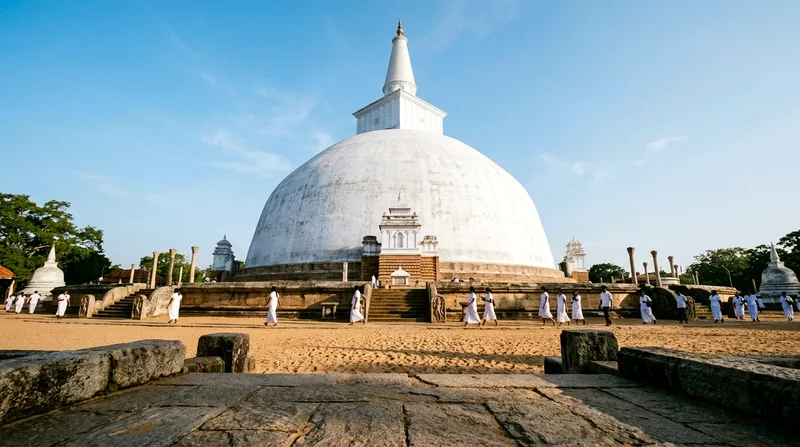
Skip paying twice for similar experiences. If you've already done a jeep safari at Yala, there's limited extra value in also paying full price at Udawalawe a few days later unless you specifically want elephant herds over leopards. Similarly, Polonnaruwa and Anuradhapura cover overlapping ground — ancient Sinhalese capitals with stupas and ruins — so if time or budget is tight, picking one well rather than rushing both thinly is the better trade. Compare this to Bali, where temple-hopping is mostly low-cost or donation-based; in Sri Lanka, each major stop is a real line item, so cutting the list down is a legitimate saving strategy, not a compromise.
What Is Not Worth Skimping On
Cutting ticket costs is sensible. Cutting corners on safety or guiding quality isn't, and a few areas are worth paying full price for without hesitation.
Safari quality, guides and safety-related costs
At Yala in particular, the cheapest jeep operators parked outside the gate are often cheap because they cram six or seven people into a vehicle built for four, or because the driver isn't experienced at reading animal behavior and positioning the jeep safely around elephants. Paying a bit more for a smaller group size and an operator with a known, trained tracker is worth it — both for your experience and for the animals, since overcrowded jeeps clustering around a single leopard sighting is a real problem at busy times of year. A private or small-group jeep typically costs more than a packed shared vehicle, but the difference is usually $10-20 per person — not worth avoiding at the cost of a miserable, crowded safari.
The same logic applies to climbing Sigiriya or visiting Dambulla's caves: a knowledgeable guide who can explain the frescoes, the hydraulic systems, or the site's history earns their fee. A silent walk past 1,500-year-old murals with no context is a wasted opportunity, not a saving.
Hidden costs and optional extras to weigh up
Camera fees are a recurring surprise — some sites charge separately for video cameras or tripods, on top of the entrance fee, and this isn't always signposted clearly at the gate. Parking fees at national parks and some temples are another add-on that doesn't show up in the headline ticket price. At Sigiriya, the climb itself is physically demanding — steep metal stairways and narrow ledges near the top — and if you've got knee problems or a fear of heights, no amount of ticket-price saving makes that climb worthwhile; it's a genuine safety consideration, not just a comfort one.
Tipping at national parks — for the tracker, the driver — isn't mandatory but is customary and worth budgeting $5-10 per jeep for a half-day safari. Factor it in rather than treating it as a surprise at the end.
Ticket Booking Checklist
A short pre-trip checklist avoids most of the common ticket mistakes travelers make in Sri Lanka — overpaying through a middleman, arriving without the right documents, or discovering a site is cash-only when you've only got cards.
Official vs third-party sellers
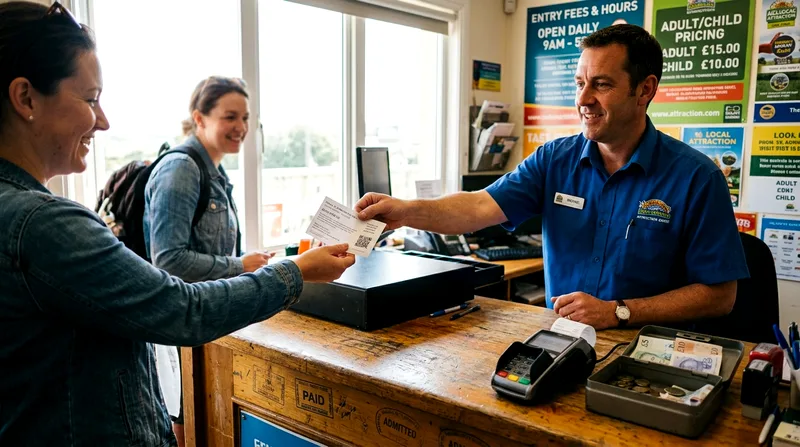
Buy Cultural Triangle tickets directly from the Central Cultural Fund counter at the relevant site, or through your hotel or a registered tour operator who buys at face value and adds a transparent service fee. Be wary of unofficial sellers hovering near site entrances offering to "help" with tickets — this is more a hassle-avoidance issue than an outright scam at most sites, but there's no reason to pay a markup for something you can buy yourself in five minutes. For national park safaris, booking through a reputable operator or your accommodation is normal practice and doesn't carry the same markup risk, since jeep hire is a separate service from the park's own entrance fee.
Compare current prices and availability for Cultural Triangle entry and safari packages before you book, since rates and bundling options do shift.
Payment methods and what to carry
Carry both cash (US dollars are widely accepted at major ticket counters alongside Sri Lankan rupees) and a card as backup — some sites take cards, others are cash-only, and this isn't always consistent even within the same network of sites. Keep your passport on you at all times for ticket purchases; photocopies aren't always accepted, and SAARC discount claims specifically require the original document. Small rupee notes are useful for parking fees, tips and minor temple donations where nobody's making change for a large bill.
Frequently asked questions
How much is the Cultural Triangle ticket for foreigners?
The combined Cultural Triangle ticket has typically run in the range of $50-60 per adult, covering sites such as Polonnaruwa, Anuradhapura's sacred area and Dambulla Cave Temple for a validity window of around two weeks. Sigiriya is priced separately and isn't included. Confirm the exact current figure at a Central Cultural Fund counter, since rates are periodically revised.
Who qualifies for the SAARC discount in Sri Lanka?
Citizens of SAARC member states — India, Pakistan, Bangladesh, Nepal, Bhutan, Maldives and Afghanistan — can claim a reduced entrance rate at many Sri Lankan sites by showing their passport at the ticket counter. It's not applied automatically and coverage varies by site, so ask directly rather than assuming it's included in the posted foreign price.
Why do foreigners pay more than locals at Sri Lankan attractions?
Sri Lanka runs an official dual-pricing system where foreign visitors pay a published dollar-denominated rate while citizens pay a much smaller rupee fee. The revenue gap is meant to fund conservation and site maintenance through bodies like the Central Cultural Fund. It's standard policy, not negotiable at the gate, and similar systems exist in India and Nepal.
Can you buy Sri Lanka attraction tickets online?
Some Cultural Triangle and major site tickets can be arranged in advance through official channels or registered tour operators, but many travelers still buy on-site at the counter with cash or card. There isn't one universal national booking portal covering every attraction, so check the specific site's current process, or let your tour operator or hotel handle it.
Is the Cultural Triangle ticket worth buying?
It's worth it if you'll genuinely visit at least three or four of the included sites within the validity period — otherwise paying individual entrance fees for just the one or two sites you'll actually see often works out cheaper. Map your realistic route first, then compare the combined price against individual fees before deciding.