Is Sri Lanka safe to travel to? Practical advice on road safety, dengue, scams and solo female travel, plus tips for families, seniors and tour choices.
Is Sri Lanka Safe to Visit?
Most people asking "is Sri Lanka safe to travel to" are picturing either a civil war that ended in 2009 or the 2019 Easter bombings — both of which still shape outdated perceptions more than current reality. The honest answer: yes, Sri Lanka is safe for the overwhelming majority of visitors, including solo women, families with young kids and retirees traveling independently. Violent crime against tourists is rare. The bigger risks are road accidents, dengue fever, and being overcharged by a tuk-tuk driver in Colombo — annoyances, not dangers.
That said, "safe" isn't the same as "risk-free," and a reasonable traveler checks official advisories before booking rather than relying on forum posts from five years ago. The UK's FCDO (Foreign, Commonwealth & Development Office) publishes country-specific guidance that's updated regularly and worth checking a few weeks before departure, not just once at the planning stage. The same goes for equivalent advisories from Australia, Canada or the US State Department if you're traveling from those countries.
Compared with some of its regional rivals, Sri Lanka holds up well. It doesn't have the petty-crime density of parts of Goa, nor the scooter-accident rate that plagues Bali's Canggu-to-Ubud route. It's calmer than Kerala's more chaotic transport hubs and considerably safer underfoot than parts of Nepal during trekking season, where altitude and weather are genuine hazards. The trade-off is infrastructure: roads are narrower, hospitals outside Colombo are more basic, and emergency response times in rural hill country can be slow.
Southern coastal and hill-country routes carry the lowest overall risk, while monsoon timing and road conditions matter more than crime almost everywhere.
Sri Lanka safety by region: risk factors and who it suits
| Region | Main Risk | Best Season | Best For |
|---|---|---|---|
| Colombo | Traffic, petty scams | Year-round | First/last-night stays, city sights |
| Kandy | Road conditions, crowding | Dec-Apr driest | Temples, cultural sites |
| Galle & south coast | Rip currents, monsoon swell | Nov-Apr | Families, swimmers, couples |
| Nuwara Eliya (hill country) | Mudslides, winding roads | Jan-Mar driest | Scenic train, cooler climate, seniors |
| Matara/Mirissa area | Sea conditions, sun exposure | Dec-Mar | Surfers, beach stays |
| Jaffna & north | Fewer medical facilities | Apr-Sep (dry) | Experienced travelers, guided trips |
Typical seasonal patterns; monsoon timing shifts year to year, so check a current forecast and official advisory before finalizing dates.
Overall risk level and official advisories
As a general rule, most Western governments currently advise a baseline level of caution for Sri Lanka — the same tier applied to Thailand or Vietnam — rather than advising against travel. This wasn't always the case; after the April 2019 Easter bombings in Colombo and Negombo, advisories briefly escalated, and tourist numbers collapsed for over a year. Security has since been significantly tightened at hotels, airports and religious sites, with visible checkpoints and bag searches now standard at major attractions.
Don't skip the advisory check just because a friend visited recently without incident. Advisories change with political developments — the 2022 economic crisis triggered fuel shortages and protests in Colombo that affected mobility for weeks, even though it posed little direct danger to tourists who weren't driving themselves. Check the FCDO site or your own country's equivalent within a week or two of departure, and sign up for any free travel registration service your government offers.
Safe regions and areas needing extra care
Geographically, Sri Lanka is compact and almost all of it is open and welcoming to tourists. Colombo, Kandy, Galle, Nuwara Eliya and the southern coastal belt through Kalutara and Matara see heavy tourist traffic and have correspondingly good infrastructure, English-speaking staff, and a visible security presence. Gampaha district, just north of Colombo near the airport, is low-risk and mostly transited rather than explored.
The areas needing more care aren't dangerous so much as under-resourced: the far north (Jaffna and surrounds) and east coast are recovering from decades of conflict and have fewer medical facilities and less tourist-oriented policing, though they're perfectly visitable with a guide. Hill country roads around Ella and Nuwara Eliya get treacherous in monsoon rain (the Yala monsoon runs roughly October to January in the south and west; Maha season hits the north and east May to September) — mudslides have closed roads in past rainy seasons, so build flexibility into any hill-country itinerary during wet months.
Road and Transport Safety
If something is going to go wrong on your trip, it's statistically most likely to involve a road. Sri Lanka's roads carry a chaotic mix of buses, tuk-tuks, motorbikes, stray dogs and the occasional elephant, often on narrow two-lane roads with no shoulder. Driving standards are inconsistent, and overtaking on blind corners is common. If you're used to orderly roads in Northern Europe, the first tuk-tuk ride through central Colombo will probably rattle you — that's normal, not a sign something's wrong.
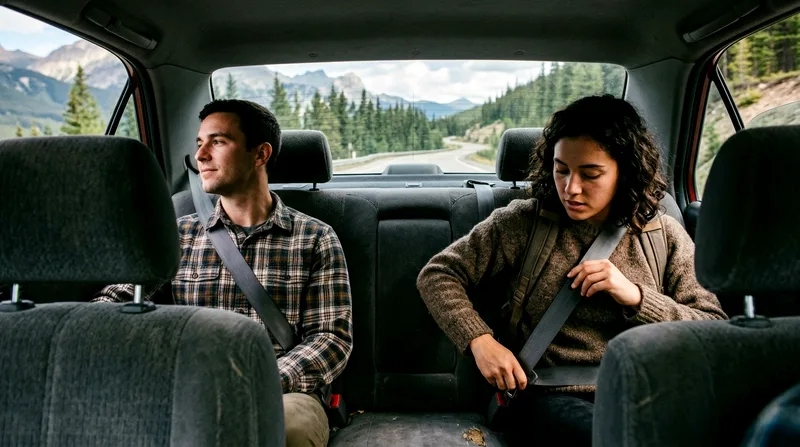
My honest recommendation: don't self-drive unless you already have serious experience riding or driving in South or Southeast Asian traffic. A scooter accident is by far the most common serious injury reported by tourists here, more common than anything related to crime or illness. If you want independence, a chauffeur-driven car (common and affordable relative to Western self-drive costs) removes almost all of this risk while still letting you set your own pace.
Taxis, tuk-tuks and ride-hailing
Use the PickMe app (Sri Lanka's dominant ride-hailing service, similar to Grab in Southeast Asia) for tuk-tuks and cars in Colombo, Kandy and Galle — it locks in a metered fare upfront and removes the negotiation entirely. Street-hailed tuk-tuks without a meter will almost always quote tourists two to three times the local rate; agree a price before getting in, or just walk to the next one. A licensed tuk-tuk typically has a visible registration plate and meter box — unmarked, unmetered vehicles outside tourist hubs are a bigger gamble on both price and safety standards.
Trains, buses and driving with a chauffeur
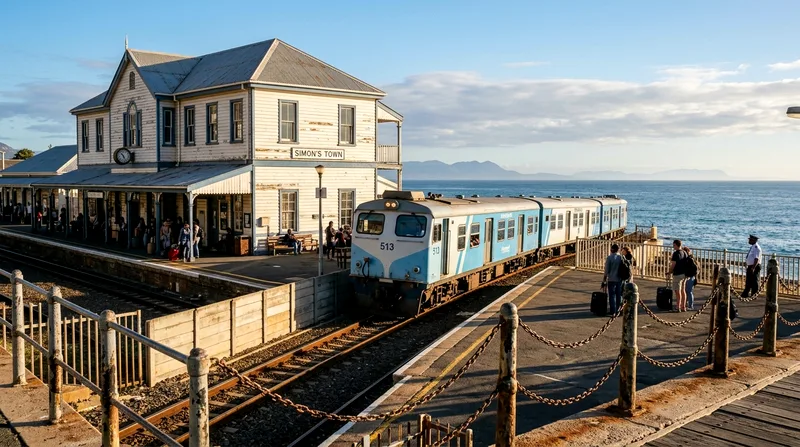
The train from Kandy to Ella is one of the most recommended rail journeys in Asia, and it's genuinely safe — crowded in peak season, but not dangerous. Reserve seats in 2nd or 1st class a few weeks ahead if you want a guaranteed spot rather than standing in the doorway (which, despite the photos you've seen, carries real fall risk and isn't worth it with kids). Public buses are cheap and frequent but driven with real urgency; fine for a short hop, less fine for a six-hour haul. For longer trips, a private driver — bookable through most tour operators for a daily rate — is the safest and most comfortable option, particularly for families and senior travelers.
Health Risks: Dengue, Water and Food
Dengue fever is the health risk that deserves the most attention, and it's transmitted by day-biting Aedes mosquitoes, unlike malaria's night-biting Anopheles. Sri Lanka records seasonal dengue outbreaks, with case numbers rising during and after monsoon rains when standing water multiplies breeding sites — Colombo and other urban, low-lying areas see the highest concentrations. There's no vaccine routinely recommended for travelers, so prevention is entirely about mosquito avoidance.
Malaria risk, by contrast, is now very low across almost all of Sri Lanka — the WHO certified the country malaria-free, though your doctor may still discuss antimalarials depending on your itinerary and medical history. Don't assume this means you can skip repellent; dengue, chikungunya and other mosquito-borne illnesses remain active concerns regardless of malaria status.
Dengue prevention and mosquito protection
Pack repellent containing DEET (30-50%) or picaridin, and apply it during the day, not just at dusk — this is the detail most travelers get wrong, since they associate mosquitoes with evening only. Wear long sleeves and trousers at dawn and dusk if you're in rural or jungle areas like Sinharaja or Wilpattu. Hotels in tourist areas generally fit screens or nets, but budget guesthouses sometimes don't — ask before booking if this matters to you. If you develop a high fever with joint pain within two weeks of returning home, tell your doctor you've been to Sri Lanka; dengue is frequently misdiagnosed as flu.
Tap water, street food and vaccinations
Don't drink tap water anywhere in Sri Lanka, including in Colombo hotels that may claim it's filtered — stick to sealed bottled water, and check the seal is intact before drinking, since refilled bottles are a known (if uncommon) scam. Ice in reputable restaurants and hotels catering to tourists is generally made from treated water, but at street stalls it's a gamble worth skipping. Street food is otherwise one of the real pleasures of the country — just choose stalls with high turnover and a visible queue of locals, the same rule that works in Vietnam or Thailand. Routine vaccinations (hepatitis A, typhoid) are commonly recommended by travel clinics; discuss your specific itinerary with a doctor six to eight weeks before departure since some vaccines need time to take effect.
Scams, Theft and Crime
Violent crime against tourists in Sri Lanka is low, and you're unlikely to feel physically threatened in Colombo, Kandy or Galle even walking alone at night in central, lit areas. What you will encounter is a steady stream of low-stakes scams aimed at separating you from a few dollars — irritating, rarely dangerous, and entirely avoidable once you know the pattern.
Common tourist scams and how to avoid them
The "gem scam" is the big one: a friendly stranger strikes up conversation, claims a relative works in the gem trade, and steers you toward a shop selling overpriced or fake sapphires with a "today only" discount. Walk away from any gem purchase that isn't through a reputable, GIA-certified dealer — there's no such thing as a casual street tip-off to a genuine bargain. Similarly, unlicensed "guides" at train stations and temples who approach you unprompted, claiming the site is "closed" or offering a shortcut, are almost always redirecting you to a shop that pays them commission. Politely decline and keep walking; legitimate staff don't need to chase you down.
Pickpocketing and beach safety
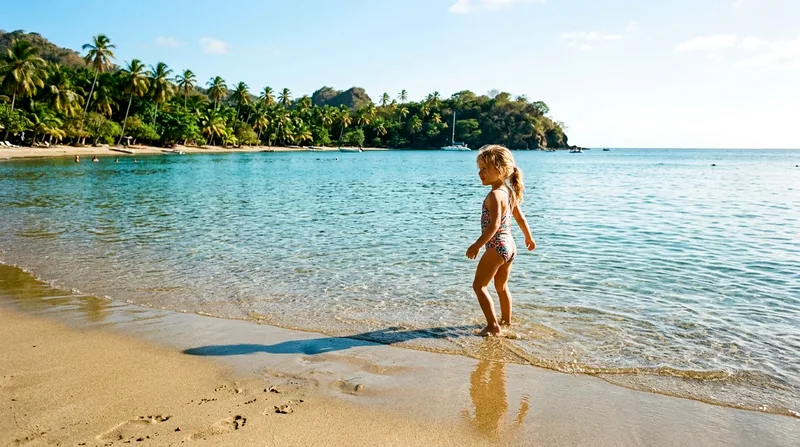
Pickpocketing exists but is concentrated in crowded spaces — Pettah Market in Colombo and busy train platforms are the main spots to keep a hand on your bag. Leave valuables in a hotel safe rather than carrying your passport around daily; a photocopy or phone photo usually suffices for ID checks. On beaches, theft from unattended bags is the main risk, not assault — don't leave phones or wallets on the sand while swimming. Sea conditions are a separate concern: rip currents are common on the south and west coast beaches (Mirissa, Hikkaduwa, Unawatuna) especially during monsoon swell, and lifeguards are inconsistent outside the busiest stretches, so check conditions before swimming and don't assume a calm-looking sea is safe.
Safety for Solo Women, Families and Seniors
Sri Lanka solo female travel is common and generally goes smoothly — it's a well-established stop on the South Asia backpacker circuit, with a lower hassle factor than parts of North India and a more relaxed dress-code expectation than you'd find in conservative Muslim-majority regions. That doesn't mean zero attention; solo women report occasional staring and unwanted comments, rarely anything more.
Solo female travel and evening safety
Dress modestly, particularly at temples and in rural towns — shoulders and knees covered is the standard expectation, and it also reduces unwanted attention generally. Avoid walking alone late at night in unlit areas, which is just sound advice anywhere, not a Sri Lanka-specific warning. Female-only train compartments exist on some routes and are worth using on long overnight journeys. Solo women traveling here tend to find hostels and guesthouses in Ella, Mirissa and Kandy well set up for meeting other travelers, which naturally reduces isolation on longer trips.
Travelling with children and older travellers
Is Sri Lanka safe for families? Yes, and it's an easier introduction to South Asia than Kerala or parts of mainland India — English is widely spoken, hospital standards in Colombo are reasonable for non-emergency care, and child-friendly attractions (Pinnawala Elephant Orphanage, calm southern beaches near Galle and Bentota) are plentiful. The main practical issue is road safety in a tuk-tuk with small kids — car seats are rarely available, so a private driver with a proper seatbelt-equipped car is worth the extra cost. For senior travelers, heat and humidity are a bigger daily concern than crime; pace itineraries with rest days, especially in hill country where altitude changes and winding roads can be tiring.
Choosing a Vetted Tour Operator
For first-time visitors, or anyone traveling solo, with kids, or into their 70s, a well-chosen tour or private driver-guide removes most of the friction described above in one move — no negotiating tuk-tuk fares, no guessing which beach has a rip current, no wrong turn into an unlicensed gem shop.
Criteria for a reliable operator
Look for operators registered with the Sri Lanka Tourism Development Authority (SLTDA) — licensed guides carry an identifiable badge, and licensed vehicles display official plates. Ask directly how drivers are vetted and whether vehicles carry insurance covering tourists specifically, not just local liability minimums. A reliable operator will happily share a detailed day-by-day itinerary before you pay a deposit, rather than vague promises of "flexibility." Be wary of operators who pressure same-day booking or won't put an itinerary in writing — that pressure tactic mirrors the street scams described above, just at a higher price point.
Linking to tours and itineraries
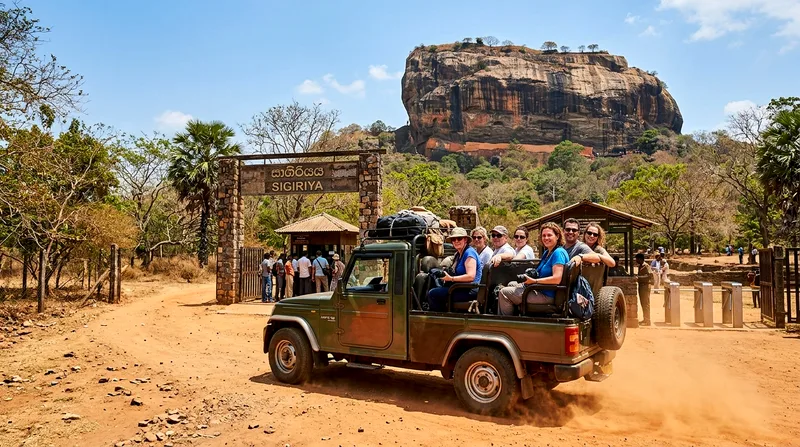
If you'd rather not plan transport and logistics yourself, multi-day itineraries combining Kandy, the Ella train, Yala safari and a southern beach stretch near Galle or Mirissa are widely available and handle most of the safety considerations above by default — vetted drivers, pre-booked train seats, malaria-free zone routing. Compare current itineraries and prices before you book, and check what's included (driver, fuel, park entry fees) since quoted totals vary a lot in what they actually cover.
Frequently asked questions
Is Sri Lanka safe for solo female travellers?
Yes, broadly — Sri Lanka sees regular solo female travel and serious incidents are rare. Expect occasional staring or comments rather than real danger. Dress modestly (covered shoulders and knees, especially at temples), avoid walking alone late at night in unlit areas, and use PickMe for metered rides rather than street-hailed tuk-tuks after dark.
What are the main health risks in Sri Lanka?
Dengue fever is the top concern, spread by day-biting mosquitoes and more common after monsoon rains in urban, low-lying areas. Malaria risk is now very low nationwide. Traveler's diarrhea from tap water or ice is common but manageable; stick to sealed bottled water and busy, high-turnover food stalls.
Is it safe to drink tap water in Sri Lanka?
No — avoid tap water everywhere, including in Colombo hotels. Drink sealed bottled water and check the seal before use, since refilled bottles are an occasional scam. Ice at tourist-standard restaurants is usually treated, but skip it at street stalls to be safe.
Are taxis and tuk-tuks safe in Sri Lanka?
They're physically safe but prone to overcharging if unmetered. Use the PickMe app in Colombo, Kandy and Galle to lock in a fare upfront. Street-hailed tuk-tuks will often quote tourists two to three times the local rate — agree a price before getting in, or choose a licensed, metered vehicle.
Is Colombo safe for tourists?
Yes, for the areas tourists typically visit — Galle Face, Fort, and the main hotel districts are well-policed and busy with both locals and visitors. Keep valuables secure in crowded spots like Pettah Market, and use ride-hailing apps at night rather than street-hailed transport.