Compare the best Sri Lanka activities for kids, from turtle hatcheries and family safaris to cooking classes and boat trips, by age and ethics.
Which Family Tour Suits Your Kids
Sri Lanka packs an unreasonable amount of variety into a small island. You can watch elephants graze in Udawalawe in the morning, swim at Bentota Beach by afternoon, and be eating string hoppers in a Galle guesthouse by dinner. That density is exactly why it works so well for families — transfers are short by regional standards, usually two to four hours between major stops, not the full-day slogs you get in parts of Vietnam or Nepal.
But "good for kids" isn't one category. A safari that thrills an eight-year-old will bore or frighten a two-year-old. A scenic train ride that delights a ten-year-old might be a sweaty, standing-room nightmare with a toddler on your hip. The right answer depends on your child's age, their tolerance for heat and motion, and how much novelty versus routine they need each day.
I'd rank the three biggest planning mistakes as: scheduling an early-morning safari after a late flight (kids under six rarely cope), booking a one-night stop in Sigiriya and expecting to climb the rock with a four-year-old in the midday sun, and assuming every "elephant sanctuary" is ethical just because it says so in the name. None of these are fatal, but they shape whether the trip feels like a holiday or an ordeal.
Toddlers and under-fives
For toddlers, prioritise short activities with built-in shade, water, and nap flexibility over ticking off sights. A calm-water boat trip on Bentota's lagoon or a gentle beach morning at Mirissa works better than a four-hour jeep safari where naptime gets sacrificed to wildlife-spotting. Turtle hatcheries are genuinely good with this age group — the release happens at dusk, sessions are short (often 15-30 minutes), and watching baby turtles crawl to the sea holds a toddler's attention in a way a distant leopard sighting won't. Avoid long train journeys with under-fives unless you book a reserved observation carriage; standing-room second class on the Kandy–Ella line is miserable with a lap child.
Primary-age kids and teens
Kids from about six upward can handle full safari drives, cooking classes, and the Sigiriya climb (1,200 steps, roughly 1.5-2 hours up and down, best started before 8am to dodge heat). This age group gets the most out of Habarana and Sigiriya as a base — village cycling tours, elephant-safe viewing, and the rock itself are all within a 20-30 minute drive of most hotels. Teens often respond best to activities with a skill element: a half-day surf lesson near Mirissa, a cooking class where they actually chop and stir rather than watch, or whale watching off the south coast between roughly November and April, when sightings of blue and sperm whales are most consistent.
Main Kid-Friendly Tour Types Compared
Once you know your child's age bracket, the next decision is tour category. Sri Lanka's family-tour market splits roughly into six types: wildlife safaris, turtle hatchery visits, cooking classes, calm-water boat trips, whale watching, and the hill-country scenic train. Each has a different rhythm, physical demand, and ethical footprint worth weighing before you book.
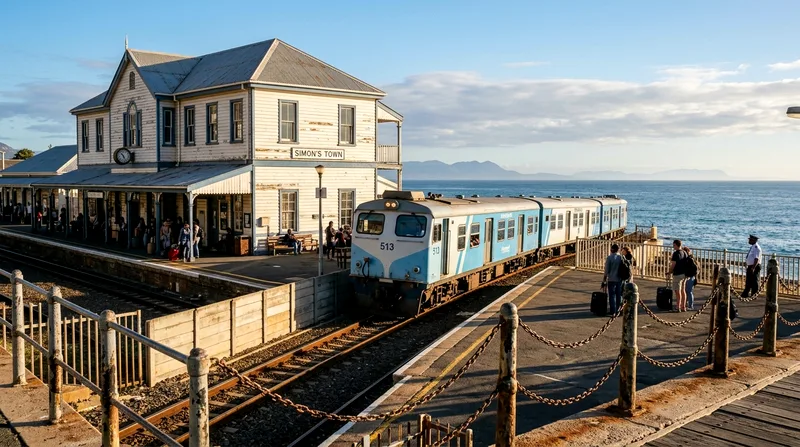
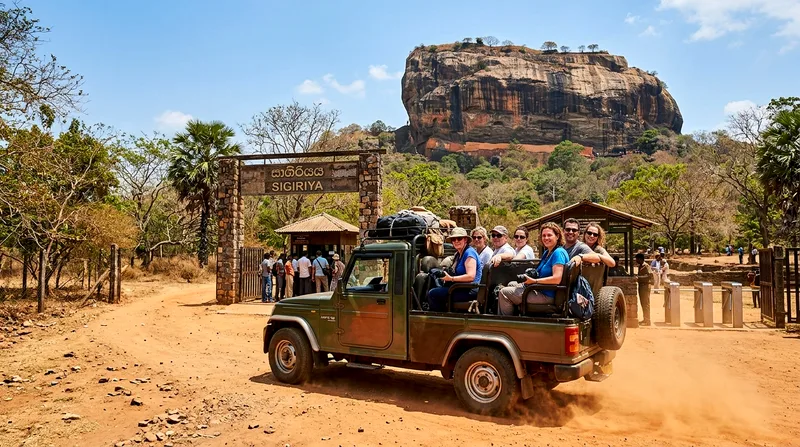
Safaris in parks like Udawalawe or the Hurulu Eco Park near Habarana run three to four hours in an open 4x4, usually at dawn or late afternoon when animals are active and the heat is bearable. They're thrilling for kids who can sit still and stay quiet — less so for toddlers who can't. Turtle hatcheries, by contrast, are a 20-60 minute stop, low physical demand, high emotional payoff, and workable at almost any age. Cooking classes run two to three hours, often including a market visit, and suit kids seven and up who can safely handle a knife or stovetop with supervision. Calm-water boat trips on lagoons near Bentota or Negombo are the gentlest option on this list — flat water, short duration, life jackets provided — genuinely good for toddlers and nervous swimmers alike. Whale watching trips run three to four hours in open ocean and can be rough; they suit kids ten-plus who don't get seasick easily. The Kandy to Ella train, meanwhile, is less an "activity" than scenery — impressive tea-country views, but only enjoyable with kids if you've secured seats.
If I had to pick one for a family doing Sri Lanka for the first time with mixed ages, I'd choose the safari-plus-turtle-hatchery combination over the train. The scenery on the train is real, but a cramped, hot four-hour ride with no reserved seat tests everyone's patience, including yours.
Turtle hatchery visits and calm-water boat trips suit the youngest children, while safaris, whale watching and the hill-country train reward kids aged seven and up who can sit still for longer stretches.
Sri Lanka activities for kids compared by age, effort and ethics
| Tour type | Best age | Typical duration | Physical effort | Ethical considerations | Private vs group |
|---|---|---|---|---|---|
| Family safari (Udawalawe, Hurulu Eco Park) | 5+ | 3-4 hours | Low (seated, bumpy roads) | Choose parks over elephant-back rides | Both available |
| Turtle hatchery visit | Any age | 20-60 minutes | Very low | Avoid tanks holding turtles long-term; look for release-only programs | Usually group |
| Kids' cooking class | 7+ | 2-3 hours | Low-medium (knife/stove use) | Low concern | Usually private or small group |
| Calm-water boat trip (lagoon) | Any age, incl. toddlers | 1-2 hours | Very low | Check engine noise/speed near wildlife | Both available |
| Whale watching (south coast) | 10+ | 3-4 hours | Medium (open sea, motion) | Look for boats keeping legal distance from whales | Usually group |
| Scenic train (Kandy-Ella) | 8+ | 3-4 hours | Medium (heat, crowding) | Low concern | Group (reserved seats recommended) |
Durations and suitability are typical ranges; confirm current timings, seat reservations and child policies before booking.
Turtle Hatcheries and Safaris: Ethics First
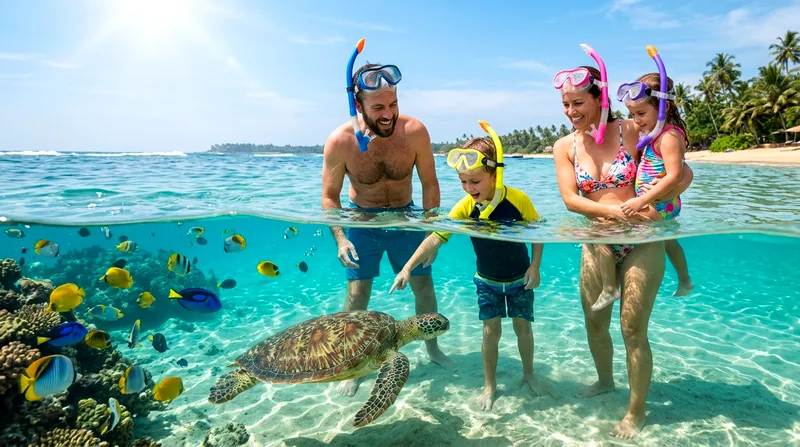
This is the section I'd read most carefully before handing over money. Sri Lanka's southwest coast, around Bentota and further south, has dozens of turtle hatcheries, and the quality varies enormously. Some do genuine conservation work — collecting eggs laid in vulnerable spots, incubating them, and releasing hatchlings within 24-48 hours of birth. Others keep turtles, including adults with shell damage, in small concrete tanks indefinitely as a photo-op attraction. That's not conservation; it's a menagerie with a conservation label.
Elephant experiences carry the same split. Riding camps and "orphanages" that chain elephants or offer rides are still common and still marketed hard to families, often with photos of smiling kids on an elephant's back. Organizations like the Elephant Freedom Project, which runs no-ride, no-chain walking experiences with elephants in a more natural setting, represent the better model — kids walk alongside elephants rather than sit on them, and there's no bullhook use. It's a more honest encounter, if a less "thrilling" one on paper. Honestly, most kids are just as happy watching elephants bathe or forage at a distance as they would be riding one, once you explain why you're not doing the ride.
How to spot a responsible turtle hatchery
Ask three questions before booking or paying at the gate: How long do turtles stay before release — hours or years? Are any adult turtles kept permanently, and why? Can you see the release happen, or is it staged for tourists at a fixed time regardless of hatching schedule? A hatchery that's vague on all three is one to skip. Good ones will tell you plainly that hatchlings are released within a day or two of hatching, usually at dusk, and that any adults on site are there for genuine rehabilitation, not display.
Choosing a family safari and park
Udawalawe National Park is the standout for family safaris with a near-guaranteed elephant sighting — herds of 30-plus aren't unusual, and the park's open grassland means you don't need luck to spot them, unlike the dense jungle of Yala. Hurulu Eco Park, close to Habarana and Sigiriya, is a smaller, quieter alternative that works well if you're already staying in that area and don't want a long transfer. Avoid parks or operators that encourage jeeps to crowd a single elephant or drive off-track to get closer — it stresses the animals and, frankly, it's the kind of thing that gets parks fined or restricted.
Cooking Classes and Gentle Boat Trips
Not every day of a family trip needs to be wildlife or ruins. Cooking classes and boat trips are the low-key days that stop kids from burning out, and they're underused in most family itineraries I see planned.
Hands-on cooking classes for children
Kids' cooking classes, widely available around Kandy, Galle, and in home-based setups near Colombo, typically run two to three hours and walk through a simple Sri Lankan curry, sambol, and roti. Good ones start with a short market or garden visit so kids see where coconut, chili, and curry leaves actually come from before they're chopping them. Expect a reasonably supervised setup — real knives and a working stove, so this suits kids seven and older more comfortably than toddlers, who are better off as observers stirring a pot under a parent's hand. Compare this to a cooking class in Kerala or Thailand: the format is similar, but Sri Lankan classes lean milder on chili by default, which parents of fussier eaters tend to appreciate.
Calm-water boat trips and safety
A family boat trip on Bentota's Madu Ganga lagoon or the calmer stretches near Negombo gives you mangroves, birdlife, and sometimes a small cinnamon-island stop, all in flat water over one to two hours. This is as close to toddler-proof as river trips get, provided every child wears a properly fitted life jacket — check sizing before you board, since many boats stock only adult and older-child sizes. Avoid open-ocean "boat trips" marketed loosely to families; if it's whale watching or deep-sea fishing, that's a different, rougher experience better suited to kids ten and up.
What to Check Before Booking
Family travel adds a layer of questions that solo or couple travellers skip entirely, and Sri Lankan tour operators vary widely in how well they handle them.
Inclusions, group size and child seats
Ask explicitly whether a tour vehicle has child seats or booster seats available — many don't, and Sri Lankan rules on this are loosely enforced, so it's on you to request one in advance rather than assume. Check group size for safaris: a shared jeep with six adults and your toddler means less room to move and less flexibility to leave early if a nap is needed. Private jeeps cost more but buy you the ability to cut a drive short. Confirm what's actually included — water, snacks, park entry fees, and whether a guide speaks enough English (or your language) to answer a seven-year-old's questions, not just narrate for adults.
Cancellation and weather policies
Sri Lanka's two monsoon systems mean rain can cancel a boat trip or whale-watching excursion with little notice, particularly on the west and south coasts between May and September. Check the cancellation policy before paying in full — a flexible reschedule or refund matters more with kids than with adult travellers, since a missed nap or a scrapped activity affects the whole day, not just that booking. Read recent reviews specifically for mentions of punctuality and vehicle comfort; a late pickup matters a lot more when you're managing a toddler's schedule than it does for a backpacker.
When to Book and Travel
Timing affects both comfort and what you'll actually see, and Sri Lanka's two coasts run on opposite weather clocks, which trips up a lot of first-time family planners.
Seasons by coast and region
The west and south coasts, including Bentota, Mirissa, and Galle, are driest and best from roughly December to March — this is also whale-watching season out of Mirissa. The east coast, around Trincomalee and Pasikudah, flips the other way, with its best weather from May to September. Hill country around Kandy stays mild year-round but gets wetter afternoons. If your itinerary includes both coasts, accept that you'll hit at least one rainy stretch somewhere — pack accordingly and build a flexible indoor backup day, like a cooking class, rather than hoping for a perfect run.
How far ahead to book
Book safaris and popular turtle hatchery visits a few days ahead during peak season (December-March and July-August), since vehicles and guides get reserved early around school holiday weeks for European families in particular. Cooking classes and boat trips are more flexible and can often be arranged a day or two out. Whatever the activity, check current prices and availability online before you travel rather than relying on walk-up rates, which tend to be higher and less predictable for families needing multiple seats or a private vehicle.
Frequently asked questions
Is Sri Lanka worth visiting with kids?
Yes, and it compares well to Bali or Kerala for families because distances between activities are short and the mix of beach, wildlife and culture is dense. The main adjustment is pacing — build in rest days and avoid back-to-back early starts, since heat and humidity tire kids faster than a typical European or North American climate.
Are there turtle hatcheries in Sri Lanka?
Yes, concentrated along the southwest coast around Bentota and further south toward Galle. Quality varies a lot, so check that hatchlings are released within a day or two of hatching rather than kept long-term, and avoid any site keeping adult turtles in small tanks as a display.
Where can families see elephants in Sri Lanka?
Udawalawe National Park offers the most reliable sightings thanks to open grassland and large resident herds. Hurulu Eco Park near Habarana and Sigiriya is a good lower-effort alternative. For hands-on encounters, choose no-ride, no-chain operations like the Elephant Freedom Project over riding camps.
What are the best things to do in Sri Lanka with a toddler?
Turtle hatchery visits, calm-water lagoon boat trips near Bentota, and short beach mornings work best. Skip long safaris, the Sigiriya climb, and standing-room train journeys until kids are at least five or six and can manage heat and longer sitting or walking.
What is the best time to visit Sri Lanka with children?
December to March suits the west and south coasts, including Bentota, Mirissa and Galle, and overlaps with whale-watching season. May to September suits the east coast around Trincomalee instead. Hill country around Kandy is workable most of the year but wetter in afternoons.